


Solid State Battery Backup: Revolutionizing Home Energy Resilience in Europe
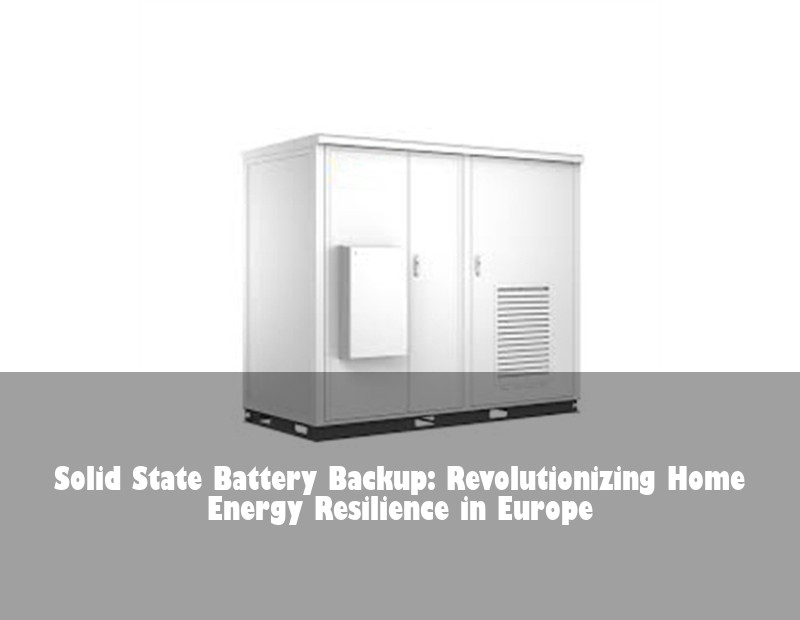
Table of Contents
Europe's Silent Energy Crisis
It's January in Berlin, temperatures plunge to -10°C, and suddenly your power flickers out. For thousands of European households, this isn't hypothetical – weather-related power outages increased 67% between 2010-2020 across EU nations. As solar adoption surges (European solar capacity grew 40% year-over-year in 2023), homeowners face a critical question: How do I keep lights on when the grid fails? This convergence of climate volatility and renewable energy dependency is precisely where solid state battery backup emerges as a game-changer.
Why Traditional Batteries Fall Short
Lithium-ion batteries dominate today's home energy storage, but they struggle under European conditions:
- Winter Woes: Efficiency drops 30-50% below 0°C
- Safety Risks: Thermal runaway incidents caused over 200 fires in UK residential systems last year
- Short Lifespans: Average degradation of 2.5% annually means replacement every 7-10 years
You wouldn't trust a leaky umbrella in a thunderstorm, yet millions rely on these vulnerable systems for critical backup. The limitations become painfully clear during multiday outages like France's 2022 winter storm blackouts that affected 200,000 homes.
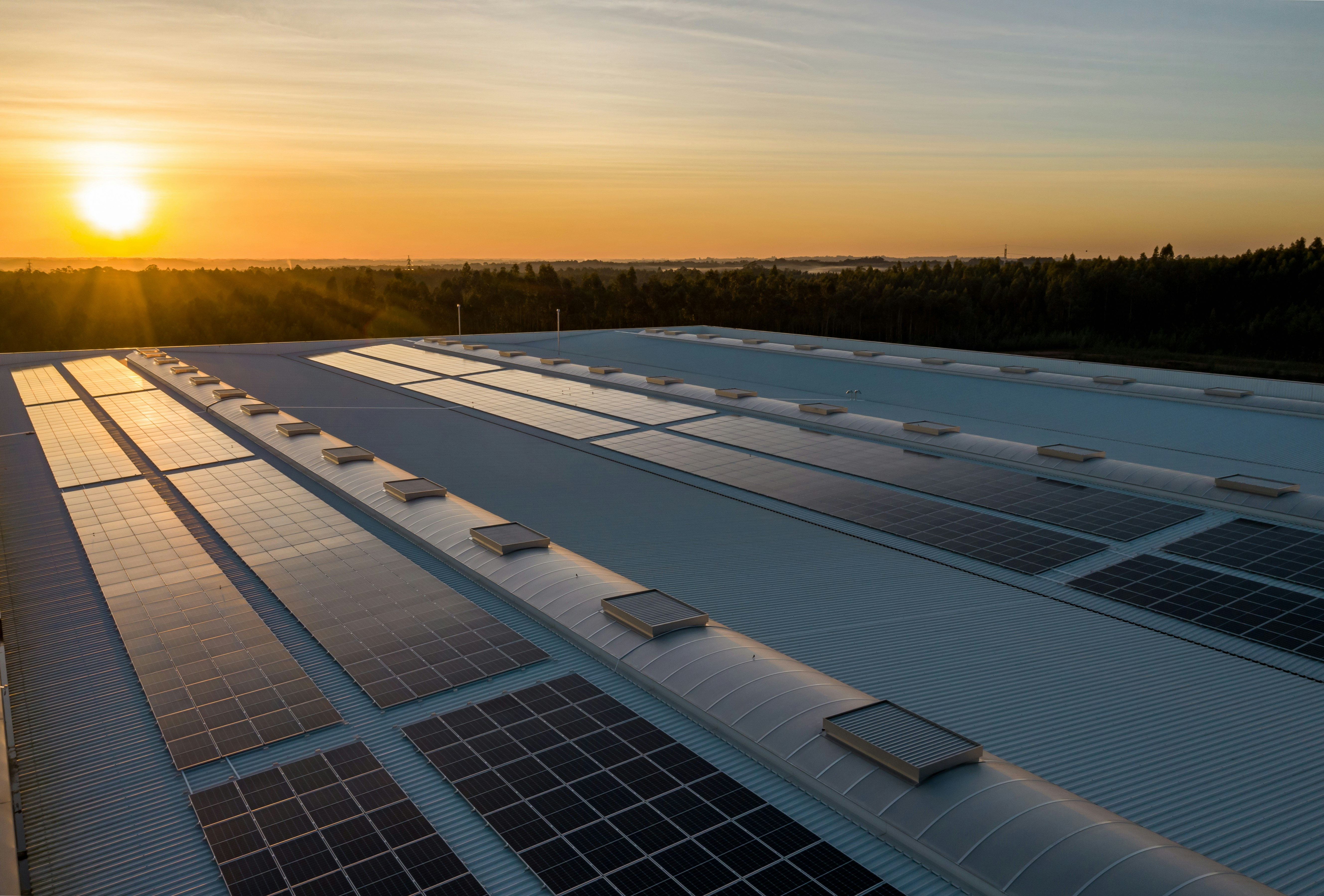 Image: Alpine solar systems face extreme temperature challenges (Source: Unsplash/Lukas)
The Solid State Battery Backup Advantage
Unlike traditional batteries with liquid electrolytes, solid state battery backup systems use stable ceramic compounds. This fundamental redesign creates remarkable benefits:
| Feature | Traditional Li-ion | Solid State |
|---|---|---|
| Operating Temperature | -10°C to 45°C | -30°C to 100°C |
| Cycle Life | 3,000-5,000 cycles | 15,000+ cycles |
| Energy Density | 100-265 Wh/kg | 500+ Wh/kg |
| Recharge Time | 2-4 hours | 15-30 minutes |
The secret? Solid electrolytes eliminate dendrite formation – those troublesome lithium spikes that cause short circuits. When Swiss researchers at EMPA tested solid state batteries through 10,000 charge cycles, degradation remained below 5%. That's like your smartphone battery lasting 20 years!
Real-World Proof: A German Case Study
Consider the Müller family in Bavaria: After suffering €12,000 in frozen pipe damage during a 2021 blackout, they installed a 25kWh solid state battery backup unit paired with their existing solar array. The results speak volumes:
- Survived 3-day grid outage in December 2023 with consistent 5°C indoor temperature
- 97% round-trip efficiency even at -15°C ambient
- 15-year performance guarantee (vs. standard 10-year warranties)
"We didn't just buy batteries – we bought peace of mind," says homeowner Hans Müller. Their system automatically powered critical loads during January's ice storms while neighbors scrambled for generators. Similar installations now protect 8,000+ European homes, with adoption growing 300% year-over-year.
Where Solid State Technology Is Heading
Major European manufacturers are accelerating development:
- BMW plans solid state integration in 100,000 vehicles by 2025
- BASF's new Dresden factory will produce solid electrolytes at commercial scale in Q3 2024
- Projected 60% cost reduction per kWh by 2027 as production scales
This isn't incremental improvement – it's a fundamental shift. When Oxford University researchers analyzed the technology's trajectory, they concluded solid state systems could capture 35% of Europe's residential storage market by 2028. The question isn't if they'll dominate, but when you'll benefit.
Practical Steps for Homeowners
Ready to explore solid state battery backup? Here's how to start:
- Compatibility Check: Most systems integrate with existing solar inverters
- Capacity Planning:
- Critical loads only: 5-10kWh
- Whole-home coverage: 20-30kWh
- Smart Controls: Opt for AI-powered systems that predict outages and optimize usage
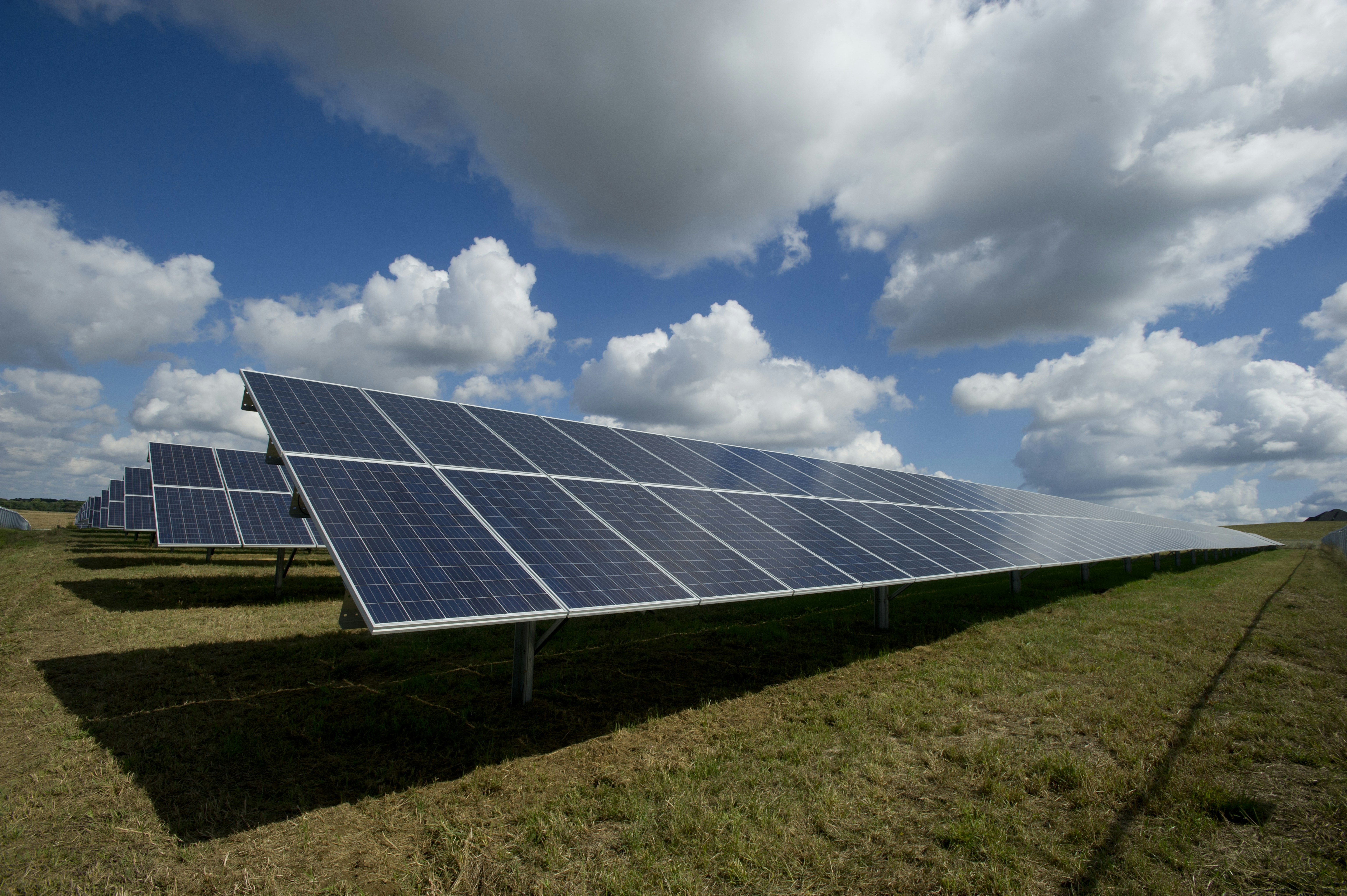 Image: Smart energy management for modern homes (Source: Unsplash/Andy)
What energy resilience level does your household truly need for the next decade? The answer might just rewrite your relationship with power.
 Inquiry
 Online Chat