


Unlock Energy Independence: The Power of Battery Array for Solar Power Systems
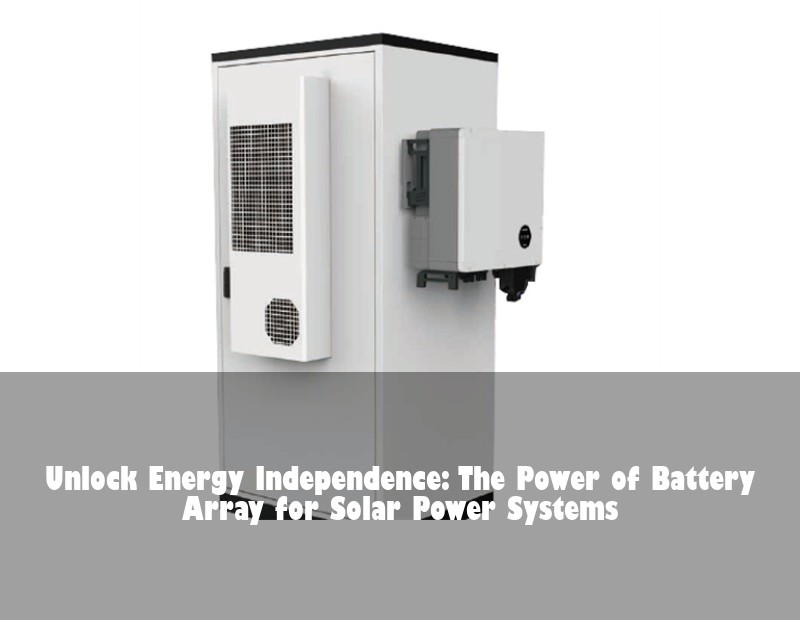
Table of Contents
The Solar Intermittency Challenge
Your solar panels generate abundant energy at noon, but clouds roll in by afternoon. Without storage, that precious power slips away. Across Europe, millions face this daily reality. Solar's inherent intermittency creates an energy gap – precisely where battery arrays step in as the game-changing solution.
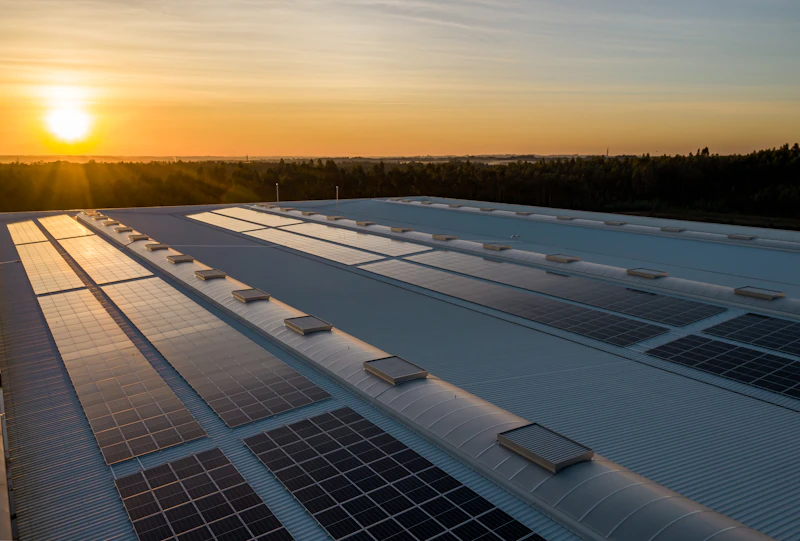 Image: Solar intermittency demonstration (Source: Unsplash)
What Exactly Is a Battery Array?
Think of a battery array as your personal energy reservoir. Unlike single batteries, arrays combine multiple units into a unified storage system. Key components include:
- Battery Modules (Lithium-ion/LFP cells in series/parallel)
- Battery Management System (BMS) monitoring temperature and voltage
- Power Conversion System (DC-AC conversion)
- Grid Interface for bidirectional energy flow
When your solar panels overproduce? The array stores excess. At night? It releases stored energy. Simple, yet revolutionary.
European Adoption: By the Numbers
Europe leads the global charge in residential battery arrays. Consider these 2023 stats:
| Country | Annual Growth | Avg. System Size |
|---|---|---|
| Germany | 78% | 8.2 kWh |
| Italy | 63% | 6.5 kWh |
| UK | 52% | 7.1 kWh |
Source: SolarPower Europe
Real-World Impact: The Müller Family Story
In Bavaria, the Müller family installed a 10kWh battery array with their 12kW solar system. Here's their 12-month outcome:
- Grid dependence reduced from 82% to 28%
- €1,200 annual savings on electricity bills
- 4.2 tons of CO2 emissions avoided
"During December's snowstorm, our lights stayed on while neighbors faced outages," says Hans Müller. Their secret? A modular LFP battery array that scales with seasonal needs.
 Image: Residential battery array (Source: Unsplash)
Designing Your Optimal Battery Array
Size matters, but so does chemistry. For European homes, consider these factors:
- Capacity Planning: Match array size to daily consumption (not solar output)
- Chemistry Choice: LFP batteries dominate for safety and 6,000+ cycle life
- Modularity: Start with 5kWh and expand as needs grow
Pro tip: Pair your array with smart energy management systems to optimize self-consumption. Remember, a well-designed array pays for itself in 5-7 years across most EU markets.
What's Next? Emerging Innovations
Battery arrays are getting smarter. Watch for:
- AI-driven predictive charging using weather forecasts
- Vehicle-to-grid (V2G) integration with EV batteries
- Solid-state battery arrays promising 50% higher density
As research at Fraunhofer Institute shows, these advancements could slash storage costs by 40% before 2030.
Ready to Transform Your Solar Experience?
What energy challenges could a battery array solve for your home or business? Explore our interactive design tool to visualize your potential system. Or better yet – which renewable energy goal will you tackle first with this technology?
 Inquiry
 Online Chat