


Solar Panels with Integrated Micro Inverter: Revolutionizing Home Energy
Table of Contents
The Hidden Challenge in Solar Adoption
You install solar panels on your roof, expecting seamless clean energy. But when one panel gets shaded by a chimney, your entire system's output plummets. This frustrating phenomenon affects 23% of European households with traditional solar setups (SolarPower Europe, 2023). Centralized inverters force all panels to operate at the weakest link's capacity – like letting a single blocked pipe slow your entire water supply.
Integrated Micro Inverters: How They Solve Core Problems
Enter solar panels with integrated micro inverters. Unlike conventional systems, these embed a small inverter directly behind each panel. The result? Revolutionary optimization:
- Each panel operates independently at peak efficiency
- No "domino effect" from shading or debris
- Real-time performance monitoring per panel
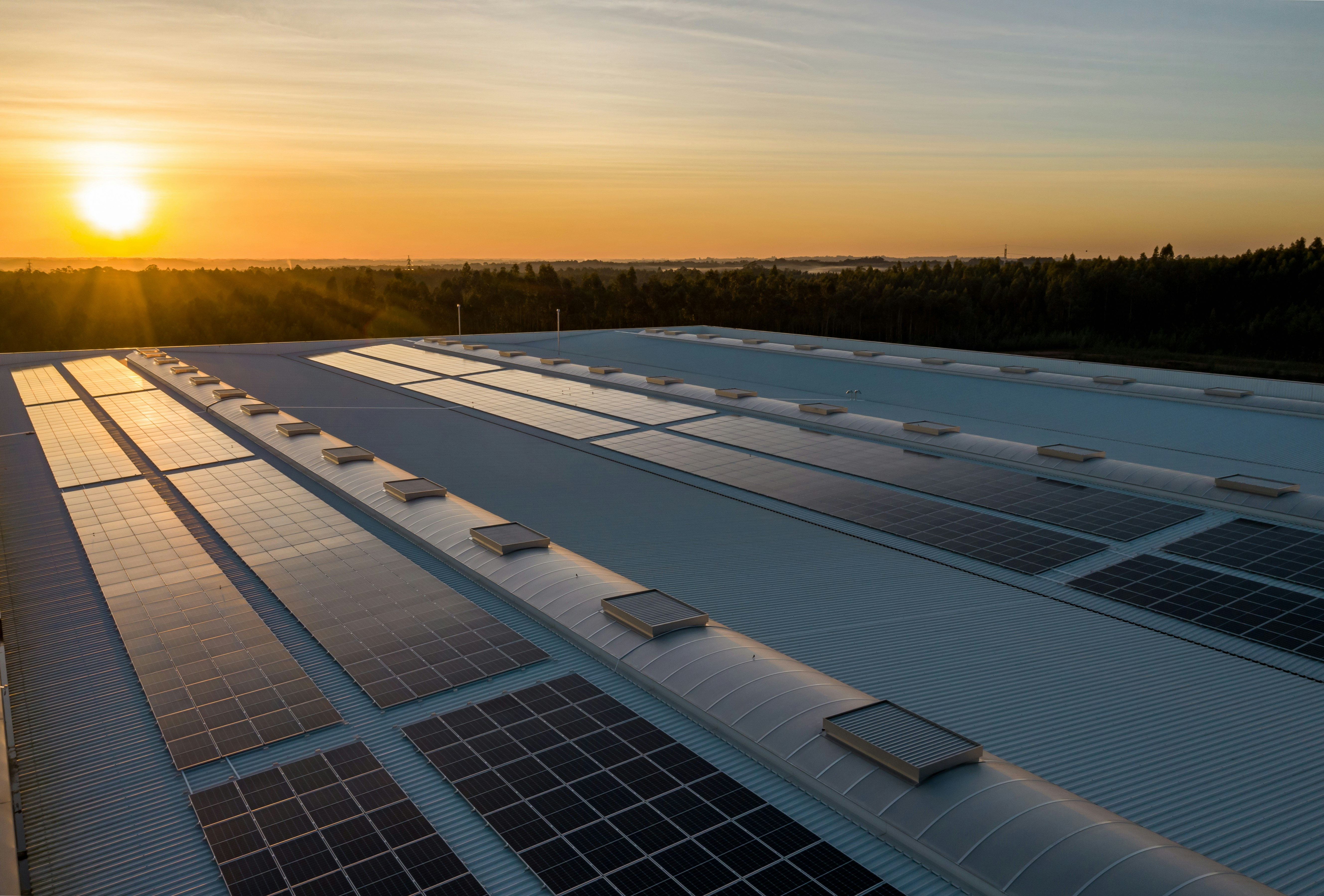
Image source: Unsplash
Technical Innovation Behind the Integration
These systems convert DC to AC electricity at the source, eliminating up to 30% transmission losses common in string inverters (Fraunhofer ISE, 2022). With no high-voltage DC wiring, installation becomes dramatically safer – a key factor driving their 41% adoption growth in Europe last year.
Real-World Proof: A German Case Study
Consider the Müller residence in Berlin. Their south-facing roof had intermittent shading from neighboring trees. After installing 12 panels with integrated Enphase microinverters:
| Metric | Before | After |
|---|---|---|
| Annual Production | 3.2 MWh | 4.1 MWh |
| Shading Losses | 29% | 6% |
| Payback Period | 9 years | 6.5 years |
As Frau Müller noted: "Our morning coffee ritual no longer dictates when we run the dishwasher – the system adapts to shadows moving across our roof."
5 Undeniable Benefits for Homeowners
Why are European homeowners rapidly choosing integrated solutions?
- Fault Tolerance: If one panel fails, others operate at 100% capacity
- Future-Proofing: Easily add panels without recomputing system voltage
- Safety: No high-voltage DC running through attics (critical for EU fire regulations)
- Monitoring: Identify underperforming panels via smartphone alerts
- Warranty: 25-year coverage vs 10-year for traditional inverters
Beyond Efficiency: The Grid-Stabilization Advantage
Integrated micro inverters provide more than individual benefits. Their collective impact stabilizes local grids through:
- Reactive power support during voltage fluctuations
- Automatic frequency regulation
- Ramp-rate control during sudden cloud cover
According to IRENA's European grid study, neighborhoods with >30% penetration of such systems reduce grid maintenance costs by 18%. This collective benefit is accelerating regulatory support across the EU.
Is Your Home Ready for the Next Energy Leap?
As solar technology evolves beyond mere panel efficiency to intelligent energy ecosystems, one question emerges: When evaluating your solar options, will you prioritize short-term cost savings or long-term resilience and adaptability? What unique challenges does your roof present that integrated micro inverters could solve?
 Inquiry
 Online Chat