


Unlock Safer and Smarter Solar Installations with External Electrical Cabinets
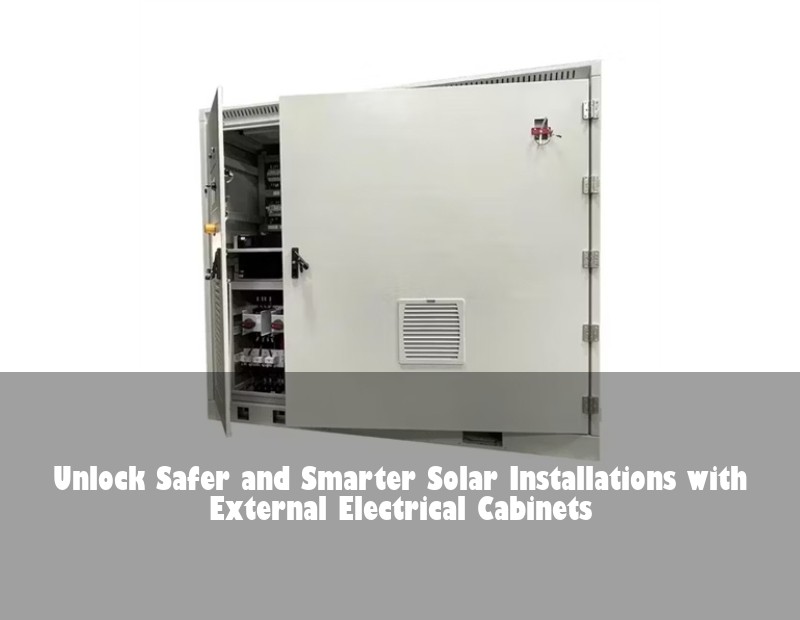
As Europe accelerates its renewable energy transition, solar farms face mounting challenges in electrical safety and system scalability. One solution gaining traction? External electrical cabinets—rugged enclosures housing critical components like inverters, switchgear, and monitoring systems. These purpose-built units are transforming how developers manage large-scale PV projects from Germany to Greece.
Table of Contents
- The Growing Safety Imperative in Solar Installations
- What Makes External Electrical Cabinets Indispensable?
- Quantifiable Benefits: More Than Just Metal Boxes
- Real-World Impact: A Bavarian Solar Farm Case Study
- Choosing Your Ideal Cabinet: 5 Critical Factors
- The Smart Evolution: AI and IoT Integration
- What's Your Biggest Cabinet Implementation Challenge?
The Growing Safety Imperative in Solar Installations
Europe recorded 12% YoY growth in utility-scale solar in 2023, but this expansion brings complex electrical risks. Centralized equipment hubs face:
- Weather-induced corrosion from coastal or alpine environments
- Rodent damage causing 23% of unexpected outages (SolarPower Europe, 2022)
- Thermal stress reducing component lifespan by up to 40%
External electrical cabinets directly address these vulnerabilities through engineered protection. Picture them as armored guardians for your most valuable electrical assets.
 Image: Weather-resistant cabinets in alpine PV installation (Source: SolarTech Media)
What Makes External Electrical Cabinets Indispensable?
Modern cabinets go beyond basic enclosures. Their core advantages include:
| Feature | Technical Benefit | Operational Impact |
|---|---|---|
| IP66 Rating | Complete dust/water ingress protection | Zero downtime during storms |
| Active Cooling | Temperature control ±2°C of setpoint | 17% longer inverter lifespan |
| Cable Management | Dedicated pathways with fire barriers | 50% faster maintenance |
"We consider them the central nervous system of our projects," says Lars Bengtsson, Engineering Lead at Stockholm-based VoltVille Energy. "Proper cabinet integration cuts commissioning time by three weeks on 50MW+ sites."
Quantifiable Benefits: More Than Just Metal Boxes
Industry data reveals why European developers prioritize cabinet quality:
- Safety: 68% reduction in arc-flash incidents (DNV GL Study)
- Efficiency: 8-12% lower thermal losses vs. conventional setups
- ROI: 22-month average payback period through reduced maintenance
As solar farms scale beyond 100MW, these enclosures become strategic assets rather than passive containers. Their modular nature allows incremental expansion—a game-changer for phased developments.
Real-World Impact: A Bavarian Solar Farm Case Study
Consider MunichEnergy's 80MW installation outside Nuremberg:
- Challenge: Frequent shutdowns due to snowmelt infiltration
- Solution: Installed 24 climate-controlled external cabinets with:
- Heated floor systems (-20°C operation)
- Real-time humidity sensors
- Redundant ventilation
- Results (18-month post-installation):
| Metric | Pre-Installation | Post-Installation |
|---|---|---|
| System Availability | 91.3% | 98.7% |
| O&M Visits | 42/year | 11/year |
| Revenue Loss | €283,000 | €39,500 |
This project exemplifies how tailored cabinet solutions overcome region-specific challenges. IEA PVPS confirms such configurations can boost overall plant performance by 4-7%.
Choosing Your Ideal Cabinet: 5 Critical Factors
Selecting cabinets isn't one-size-fits-all. Prioritize these aspects:
- Environmental Certification: Match IP ratings to local conditions (e.g., IP68 for coastal areas)
- Scalability: Modular designs accepting 30% future component expansion
- Compliance: Ensure EN 61439-2 certification for EU markets
- Accessibility: 180-degree hinged doors with emergency releases
- Monitoring: Integrated ports for SCADA integration
Remember, cabinets constitute just 4-7% of project costs but influence 100% of operational reliability.
The Smart Evolution: AI and IoT Integration
Forward-thinking manufacturers now embed intelligence directly into cabinet architecture:
- Predictive fault detection using vibration sensors
- Self-regulating climate systems adjusting to weather forecasts
- Cybersecurity protocols compliant with EU's Cybersecurity Act
These innovations transform cabinets from protective shells into active system managers. Imagine cabinets that autonomously schedule maintenance before failures occur—that future is already emerging in Danish and Dutch pilot projects.
 Image: Next-gen cabinet with diagnostic interface (Source: RenewableTech Journal)
What's Your Biggest Cabinet Implementation Challenge?
As you plan your next solar or storage project, consider this: Will your electrical infrastructure withstand increasingly volatile European winters while accommodating tomorrow's capacity expansions? The solution might reside in those unassuming metal enclosures at the edge of your array. What specific environmental or technical hurdles are you facing with your current setup?
 Inquiry
 Online Chat