


Unlock Maximum Value: Mastering Lithium Battery Lifespan for Solar Storage
Table of Contents
- Why Lithium Battery Lifespan Dictates Your Solar ROI
- The Hidden Stressors: What Actually Degrades Your Batteries
- European Case Study: Real Data from German Solar Farms
- Proven Strategies to Extend Lifespan by 40%+
- Future-Proofing: Emerging Technologies to Watch
- Is Your Current Setup Costing You Thousands?
Why Lithium Battery Lifespan Dictates Your Solar ROI
You've invested €20,000 in a sleek solar-plus-storage system, expecting 15 years of clean energy. But by year 7, your batteries are gasping for replacement. Suddenly, your ROI calculations crumble. This isn't hypothetical – it's the reality for thousands who overlook lithium battery lifespan fundamentals. Unlike panels with 25-year warranties, batteries degrade dynamically based on how you use them. Get this right, and you'll squeeze every kilowatt-hour from your investment. Get it wrong? You're essentially burning cash.
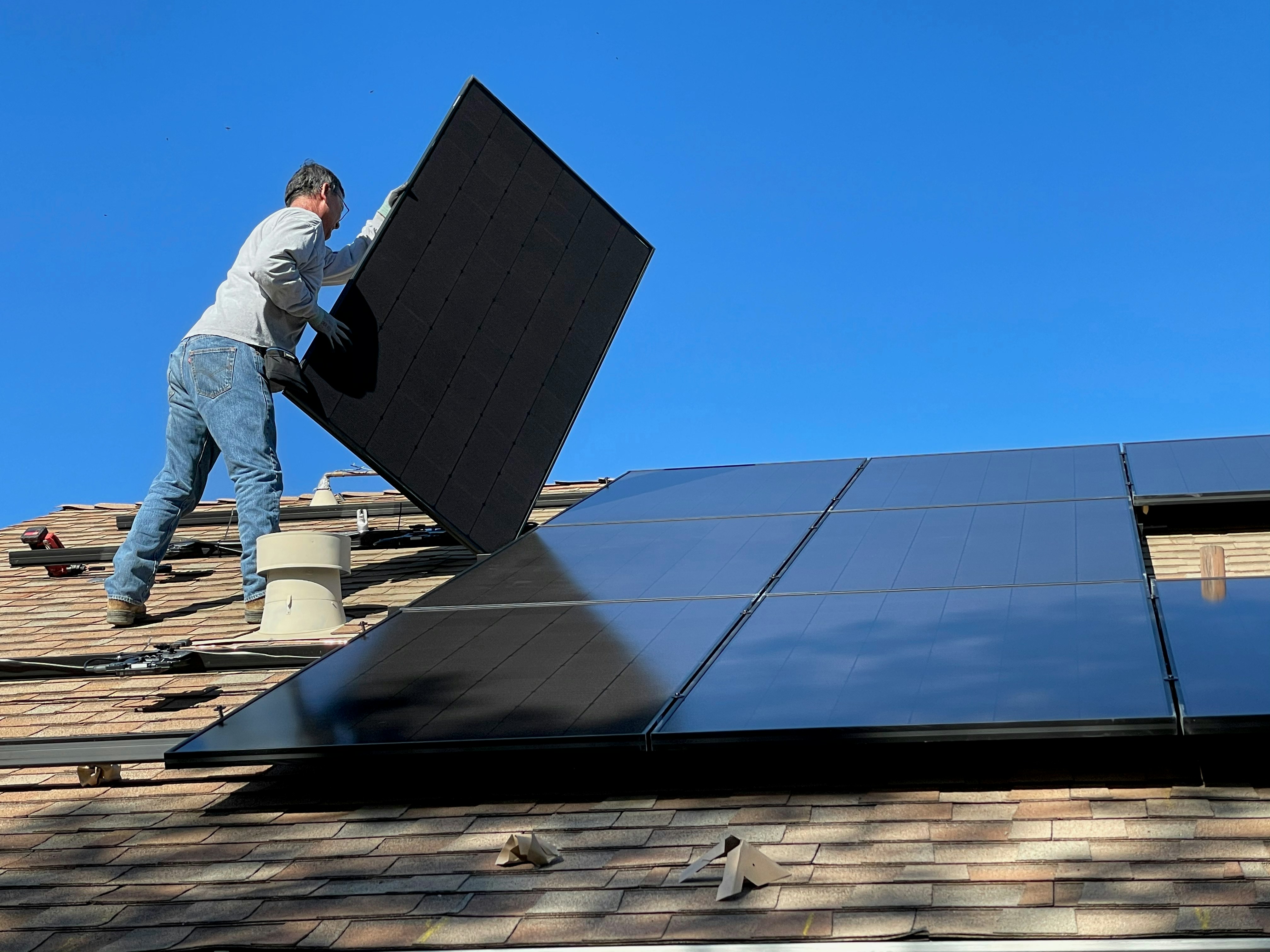
Image: Properly maintained lithium batteries in a commercial solar installation (Credit: Unsplash/Energy Professional)
The Hidden Stressors: What Actually Degrades Your Batteries
Lithium batteries don't just "wear out" – they respond to specific stressors. Let's demystify the four horsemen of battery degradation:
1. Depth of Discharge (DoD): The Silent Capacity Killer
Regularly draining batteries below 20% charge is like sprinting marathons daily. Data shows:
| Average DoD | Cycle Lifespan | Capacity Loss at 5 Years |
|---|---|---|
| 100% | 3,000 cycles | 40%+ |
| 80% | 4,500 cycles | 25-30% |
| 50% | 7,000+ cycles | 15-20% |
2. Thermal Stress: Europe's Hidden Challenge
Did you know a 10°C temperature rise doubles degradation rates? Southern European installations face particular risks:
- Battery cabinets hitting 45°C in Spanish summers
- Capacity fade accelerating by 2.5%/month vs 1.2% in Nordic climates
3. Charge Speed: The Voltage Tightrope
Rapid charging at >0.5C rates creates internal lithium plating – irreversible damage that snowballs over time. Think of it as forcing water through a collapsing pipe.
European Case Study: Real Data from German Solar Farms
When Bavaria's 12MW solar farm saw 22% capacity loss in just 4 years, engineers conducted forensic analysis. The culprit? Thermal management neglect during heatwaves. Here's what changed after interventions:
- Passive cooling → Active liquid cooling
- Fixed charge cycles → AI-driven adaptive charging
- Result: Projected lifespan increased from 8 to 14 years (validated by Fraunhofer ISE monitoring)
This mirrors findings from University of Oxford research showing proper thermal control extends lifespan by 60% in Mediterranean climates.
Proven Strategies to Extend Lifespan by 40%+
Transform battery longevity with these actionable techniques:
Smart Cycling Protocols
- Program shallow cycles (30-50% DoD) for daily use
- Schedule monthly "balance cycles" at 90% DoD
- Maintain state-of-charge between 20-80% during idle periods
Thermal Management Essentials
For Southern European installations:
- Install phase-change materials in battery cabinets
- Use geothermal cooling tubes for underground installations
- Implement dynamic airflow systems (like BMW's i3 battery tech)

Image: Advanced thermal management in lithium batteries (Credit: Unsplash/Tech Innovations)
Future-Proofing: Emerging Technologies to Watch
While optimizing current systems, keep an eye on these game-changers validated by Imperial College London:
Solid-State Batteries
Eliminating liquid electrolytes could push lifespans beyond 20,000 cycles. Toyota's prototype shows just 5% degradation after 1,200 cycles.
Self-Healing Anodes
MIT's microcapsule technology releases healing agents when cracks form – potentially adding 8-10 years to operational life.
Is Your Current Setup Costing You Thousands?
Consider this: A 10kWh system losing 3% extra capacity annually means €4,800 in lost value over 10 years (at €0.32/kWh). Yet most operators don't measure degradation until alarms trigger. What invisible losses are accumulating in your batteries right now? How could tomorrow's maintenance decisions reshape your next decade of energy costs?
 Inquiry
 Online Chat