


Grid Tie Inverter Battery Backup: Your Key to Energy Independence in Europe
Table of Contents
What is Grid-Tie Inverter Battery Backup?
Your solar panels generate abundant energy during sunny days, but when clouds roll in or grid outages strike, that precious power vanishes. This frustrating gap is precisely where grid tie inverter battery backup systems shine. Unlike traditional grid-tie systems that feed excess energy directly to the utility, these intelligent hybrids store surplus solar energy in batteries for later use. When the grid fails (or electricity prices spike), your system automatically switches to battery power, keeping lights on and devices running.
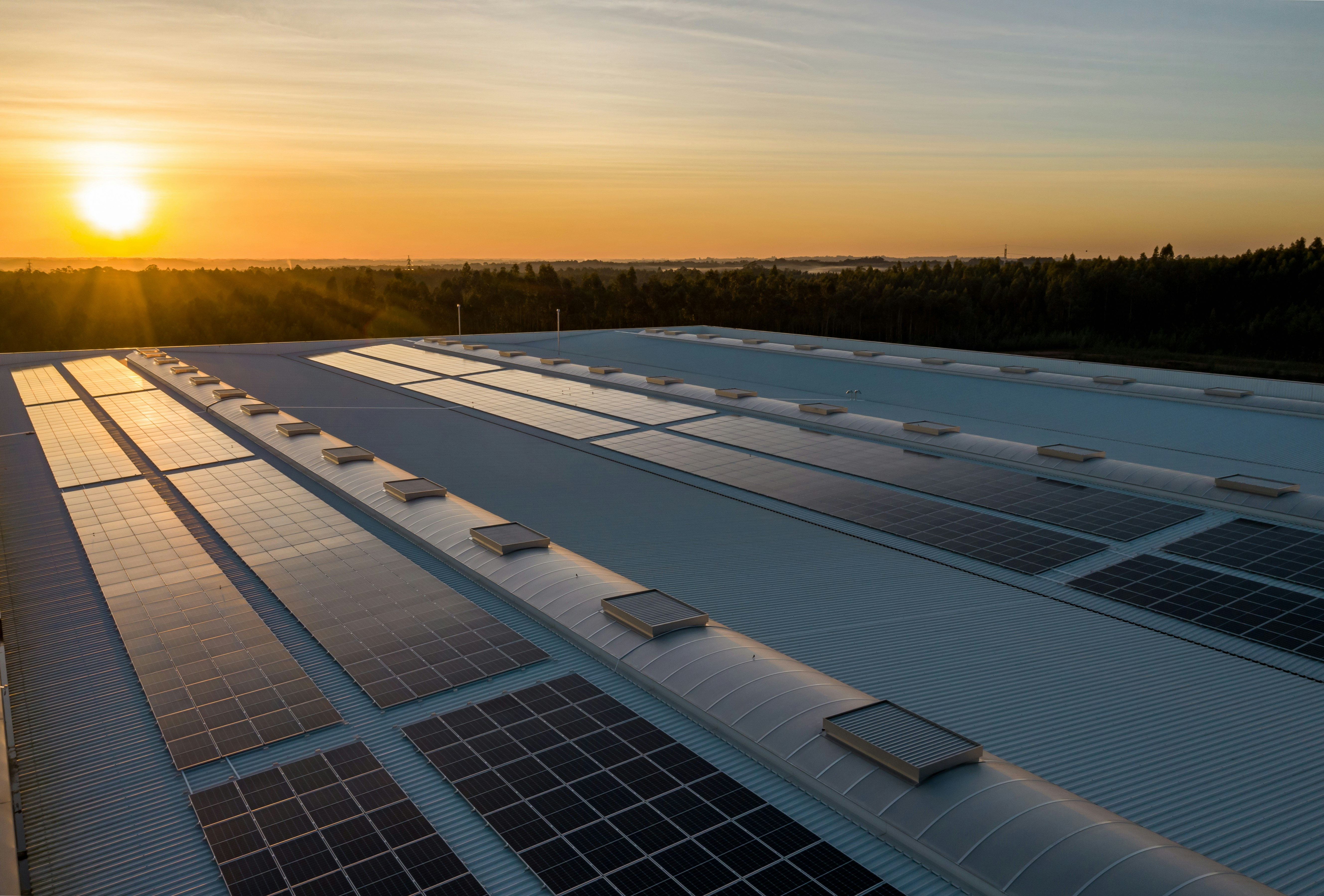
Image: Modern hybrid inverter installation in European home. Source: Unsplash
Why Europe Needs Solar Battery Backup Now
The energy landscape is shifting dramatically across Europe. Consider these developments:
- Grid instability incidents increased by 42% in Western Europe between 2021-2023
- Electricity prices reached record highs of €0.48/kWh in Germany during 2022 energy crisis
- Over 500,000 households experienced >6hr power outages last winter in France alone
These aren't just statistics - they represent real families facing frozen pipes, spoiled food, and work disruptions. I've consulted with dozens of homeowners who believed their solar panels would protect them during outages, only to discover their conventional grid-tie systems shut down automatically for safety. This widespread misconception highlights the critical difference between basic solar and true backup capability.
Technology Explained: How Hybrid Systems Work
Modern grid-tie inverter battery backup systems operate through an elegant sequence of energy management. Let's break down the process:
| System Mode | Energy Flow | User Benefit |
|---|---|---|
| Daytime (Solar Generation) | Solar → Home loads → Battery charging → Grid export | Maximizes self-consumption |
| Evening (Battery Discharge) | Battery → Home loads → Grid supplement if needed | Reduces peak tariff costs |
| Grid Outage | Solar → Battery → Critical loads (automatic switch) | Seamless backup power |
The secret lies in the inverter's brain. Advanced units like the SolarEdge Energy Hub or Huawei Luna Smart constantly monitor grid conditions, solar production, and household demand. During installation, we configure critical load panels to ensure essential circuits (refrigeration, medical equipment, lighting) receive priority during outages. With proper sizing, most European homes can achieve 12-24 hours of backup autonomy.
Real-World Success: Germany's Residential Energy Shift
Consider the Müller family in Bavaria, who installed a 10kW solar + 15kWh battery system in 2022. Their data reveals compelling results:
- Energy Independence: 92% self-sufficiency in summer, 76% in winter
- Outage Protection: Maintained power during three grid failures (>8hrs total)
- Cost Savings: Reduced electricity bills by €1,850 annually
- ROI: System paid for itself in 6.2 years through Germany's EEG incentives

Image: Rooftop solar + battery installation in Germany. Source: Unsplash
"Our greatest relief came during the December ice storm," Frau Müller shared. "While neighbors huddled in cold homes, our heat pumps kept running and Christmas dinner cooked uninterrupted." This exemplifies how modern systems transform from eco-investments to essential home infrastructure.
Choosing the Right System for Your Home
Through my decade of designing European solar+storage systems, I've identified three crucial considerations:
- Scalability: Opt for modular batteries allowing future capacity expansion
- Software Intelligence: Prioritize inverters with AI-driven energy forecasting like those using IEA-compliant algorithms
- Climate Adaptation: Nordic installations need cold-weather batteries (LiFePO4 chemistry), while Mediterranean systems require enhanced cooling
For most homes, we recommend starting with batteries covering 2-3 days of essential load. In cloudy regions like the UK, slightly larger systems (e.g., 20kWh for 4-bed home) provide better security. Premium brands like Tesla Powerwall and Sonnen offer integrated ecosystems, while solutions from Victron Energy deliver unmatched customization for complex installations.
Future Trends in European Solar Storage
The next evolution is already underway. In Sweden, virtual power plants (VPPs) now aggregate thousands of home batteries to stabilize regional grids during peak demand. Participants earn €200-500 annually through programs like Nord Pool's flexibility market. Meanwhile, Italy's new regulations mandate solar storage for all new public buildings - a policy likely to spread across the EU.
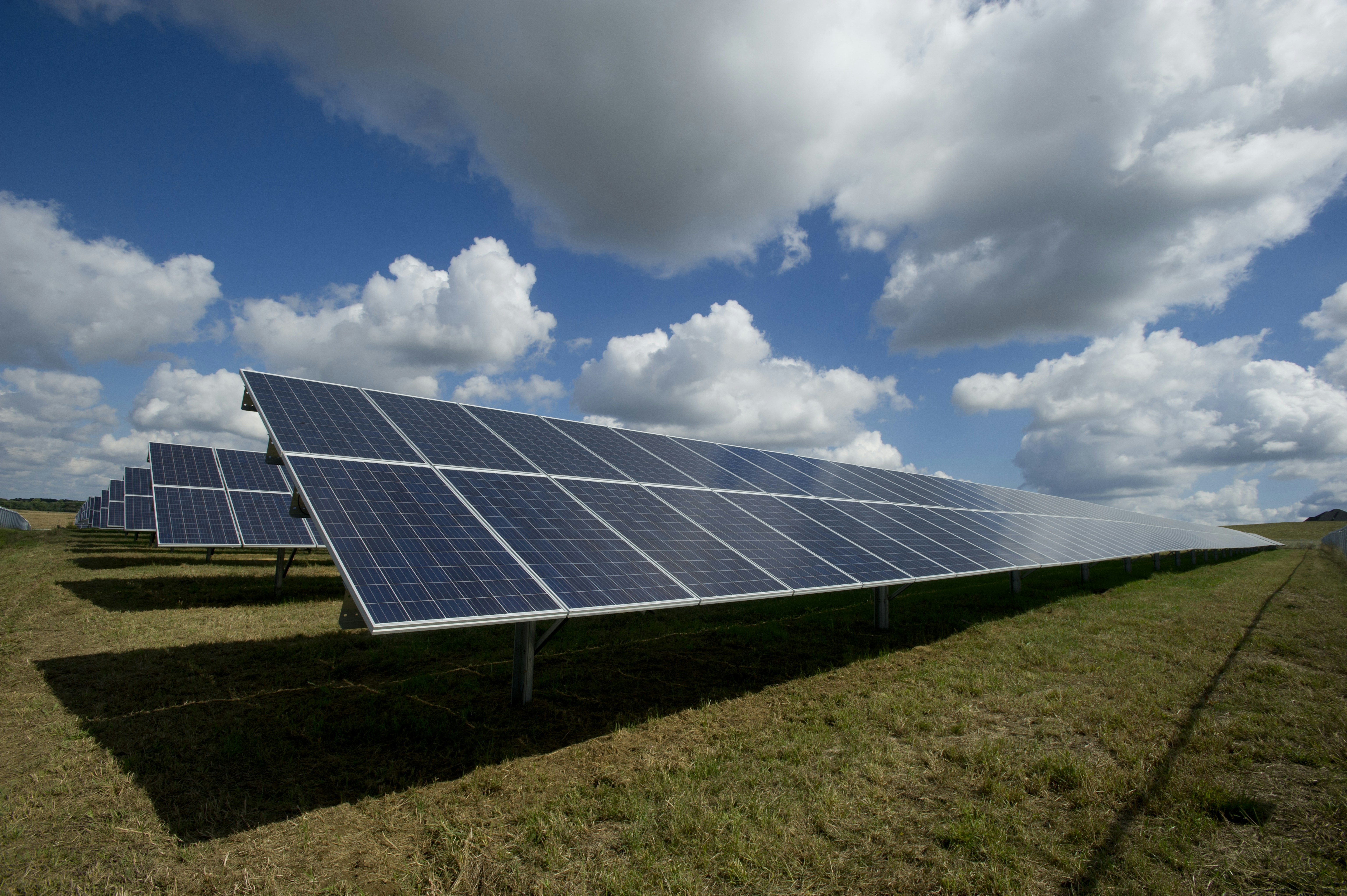
Image: Virtual power plant managing distributed home batteries. Source: Unsplash
As battery prices continue falling (19% CAGR reduction since 2018), we're approaching the tipping point where solar+storage becomes standard in new European homes. The question isn't whether to adopt this technology, but how soon your household will join the energy resilience revolution.
 Inquiry
 Online Chat