


The Evolution of Energy Generating Equipment: Powering Europe's Sustainable Future
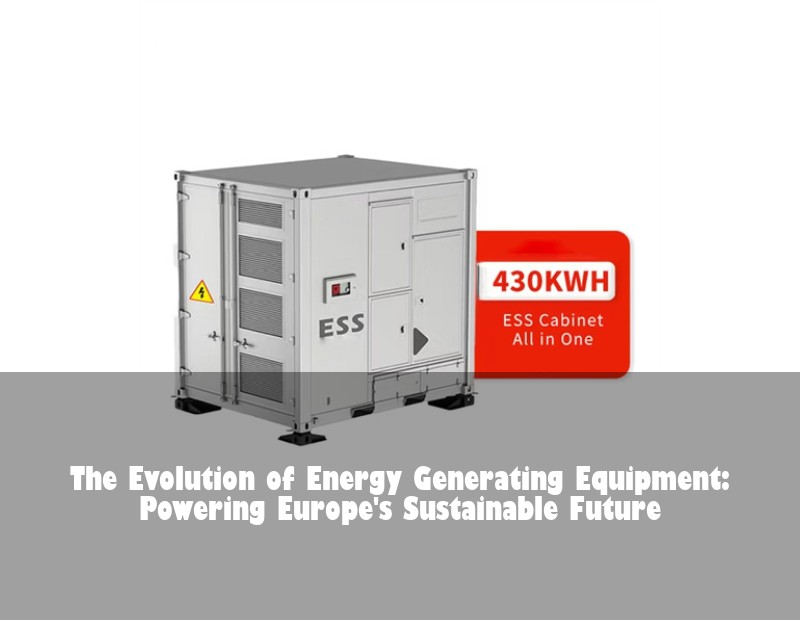
As Europe accelerates its green transition, one phrase dominates boardrooms and policy debates: energy generating equipment. These technologies—from solar arrays to wind turbines—aren't just hardware; they're the backbone of a decarbonized grid. With Germany aiming for 80% renewable electricity by 2030 and France investing €1 billion in solar acceleration, this transformation is already underway. Let’s explore how next-gen energy solutions are reshaping our power landscape.
Table of Contents
- Europe's Surging Demand for Renewable Energy
- Revolutionary Technologies in Energy Generating Equipment
- Case Study: Spain's Photovoltaic Boom
- The Critical Role of Energy Storage Integration
- Strategic Insights for Businesses and Governments
Europe's Surging Demand for Renewable Energy
Imagine this: Last winter, when gas prices spiked 400%, European factories faced shutdowns. But facilities with onsite solar arrays kept humming. This isn't luck—it's strategy. The continent now installs 40+ GW of solar annually, driven by three converging forces:
- Policy pressure: EU's REPowerEU mandates 45% renewable energy by 2030
- Economic urgency: Solar LCOE fell 90% since 2010, undercutting fossils
- Energy security: 76% of EU citizens support local renewables to reduce import dependence
 Image source: Unsplash / Photographer: American Public Power Association (CC0)
Revolutionary Technologies in Energy Generating Equipment
Remember clunky rooftop panels from a decade ago? Today's energy generating equipment resembles a tech ecosystem. Modern bifacial solar modules capture reflected light, boosting output by 25%, while AI-driven trackers follow the sun like sunflowers. Consider these breakthroughs:
| Technology | Efficiency Gain | Market Adoption |
|---|---|---|
| PERC Solar Cells | 22-24% efficiency | 80% of new EU installations |
| Modular Wind Turbines | 15% higher capacity factor | Scaling in North Sea projects |
| Robotic O&M Systems | 30% lower maintenance costs | Pilot projects in Netherlands |
These innovations aren't lab curiosities—they're field-tested. For example, Denmark's energy agency reports that turbine tech advancements enabled 50% wind penetration by 2023.
Case Study: Spain's Photovoltaic Transformation
Let’s visit Andalusia, where a 2022 drought crippled hydropower. The solution? Europe's largest solar park, Núñez de Balboa. With 1.4 million panels powering 250,000 homes, its success reveals key patterns:
- Data point: Generated 832 GWh in 2023—exceeding projections by 11%
- Tech stack Used horizontal single-axis trackers + central inverters
- Community impact: Created 1,200 local jobs during construction
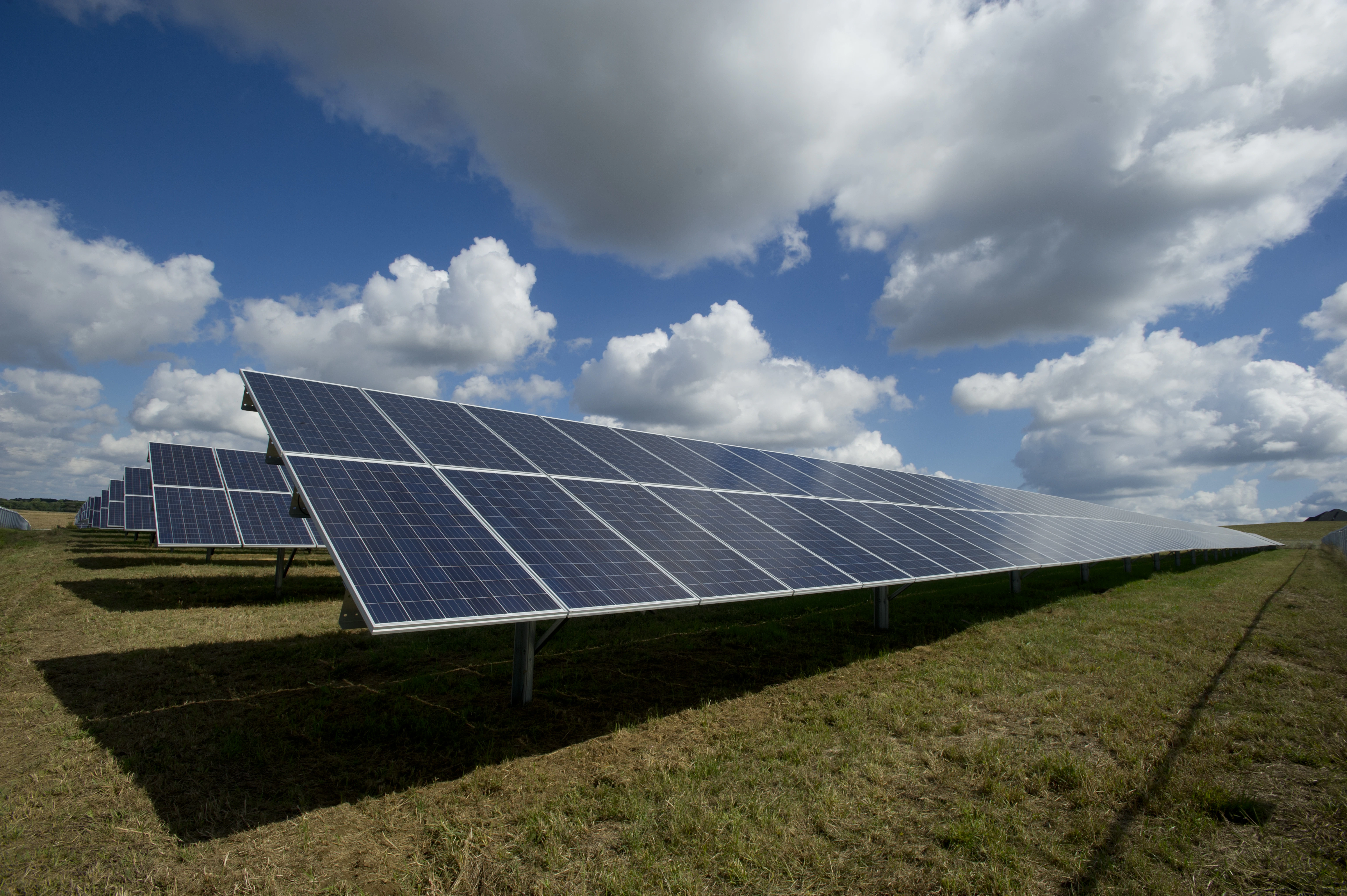 Image source: Unsplash / Photographer: American Public Power Association (CC0)
As Iberdrola's technical lead María Gómez shared: "Our predictive maintenance algorithms reduced downtime to just 0.8%—critical when you're supplying hospitals." For more real-world data, see Spain's grid operator reports.
The Critical Role of Energy Storage Integration
Here’s a paradox: Solar peaks at noon, but demand surges at dusk. This is where storage transforms energy generating equipment from intermittent to indispensable. Modern hybrid systems combine generation with lithium-ion or flow batteries, delivering:
- Grid stability during "dark doldrums" (wind/solar lulls)
- Time-shifting capability—store cheap midday power for expensive evening use
- Blackout protection during extreme weather
In Germany, residential solar+storage installations jumped 200% post-2022 energy crisis. Why? Because pairing 10kW arrays with 15kWh batteries slashed grid reliance by 70%—proven by Fraunhofer ISE’s longitudinal studies.
Strategic Insights for Businesses and Governments
Based on 100+ European deployments, three principles separate leaders from laggards:
- Design for volatility: Use machine learning to model regional weather patterns
- Prioritize circularity: 95% of panel materials are now recyclable—leverage it
- Embrace prosumer models: Factories with rooftop solar can sell surplus via PPA
As Flanders' energy minister put it: "Our industrial zones became microgrids—generating revenue while ensuring resilience."
 Image source: Unsplash / Photographer: American Public Power Association (CC0)
As you evaluate your next energy project, ask yourself: How can reimagined energy generating equipment turn your location from an energy consumer to a resilience hub? Share your vision—we'd love to brainstorm solutions with you.
 Inquiry
 Online Chat