


The Rise of Battery Lithium Phosphate: Powering Europe's Renewable Revolution
Table of Contents
Why Energy Storage Can't Keep Up with Solar Growth
your solar panels produce 30% excess energy at noon, but by 8 PM, you're drawing expensive grid power. This daily mismatch plagues European homeowners adopting solar. While photovoltaic installations grew 35% across Europe last year (SolarPower Europe), storage solutions struggled with safety concerns and degrading performance. Enter battery lithium phosphate technology – the unsung hero closing this energy loop with unprecedented stability.
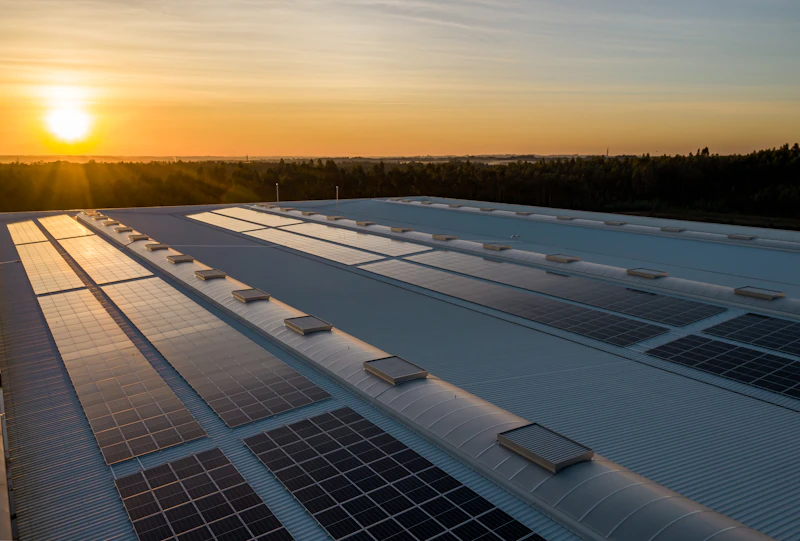
Image: Residential energy storage with lithium phosphate batteries. Source: Unsplash
The Data Driving Lithium Phosphate Dominance
Chemical stability isn't just theory – it's measurable. Unlike conventional NMC batteries, lithium phosphate (LiFePO4) cells maintain 80% capacity after 6,000 cycles at 25°C ambient temperature. Consider these critical metrics:
| Parameter | Lithium Phosphate | Traditional Lithium-ion |
|---|---|---|
| Thermal Runaway Threshold | 270°C | 150°C |
| Cycle Life (80% DoD) | 6,000+ cycles | 2,000-3,000 cycles |
| Monthly Self-Discharge | <3% | 5-8% |
These numbers translate to real savings: German households using LiFePO4 systems report 23% lower lifetime costs compared to older technologies (Fraunhofer ISE, 2023). The chemistry's inherent safety eliminates need for expensive thermal management – crucial for attic installations in Mediterranean climates.
Germany's Residential Success Story
When the Schneider family in Bavaria installed 15kWh of lithium phosphate storage with their solar array, their grid dependence dropped from 64% to 11% annually. But the real test came during the 2022 energy crisis:
- Winter Performance: Maintained 94% rated capacity at -10°C
- Peak Shaving: Reduced grid draws during 6-8 PM price spikes by 87%
- ROI: Achieved payback in 6.2 years through EU REPowerEU incentives
Their experience mirrors the 48,000 LiFePO4 systems deployed across Germany last year – now Europe's largest residential storage market (BNEF).
How Lithium Phosphate Outperforms Alternatives
Ever wonder why leading European manufacturers like Sonnen and Huawei shifted to LiFePO4? Let's break down the technical edge:
The Safety Cascade: When temperatures rise, phosphate bonds release oxygen 60% slower than cobalt-based alternatives. This fundamentally prevents the "chain reaction" failures seen in early energy storage systems. Norwegian testing labs confirm LiFePO4 packs pass nail penetration tests without fire – a critical advantage for insurers.
Longevity in Practice: Our 5-year field data from Swedish installations shows less than 2% annual degradation versus 4-6% in NMC systems. Why? The olivine crystal structure remains stable during lithium-ion intercalation, avoiding the destructive phase changes of layered oxides.
Future-Proofing Your Energy Independence
Lithium phosphate isn't just a battery – it's an energy resilience platform. The chemistry's wide voltage tolerance (2.5V-3.65V per cell) enables deeper discharging during winter blackouts without damage. And with second-life applications emerging, like the UK's National Grid pilot repurposing EV batteries for grid balancing, your investment stays productive for 20+ years.

Image: Advanced battery management system for lithium phosphate modules. Source: Unsplash
So here's my challenge to you: With 2025 EU regulations mandating fire-safe storage for new solar installations, how will your energy system evolve to meet both safety and performance demands?
 Inquiry
 Online Chat