


Revolutionizing Renewable Integration: Wind Turbine Battery Grid Tie Systems
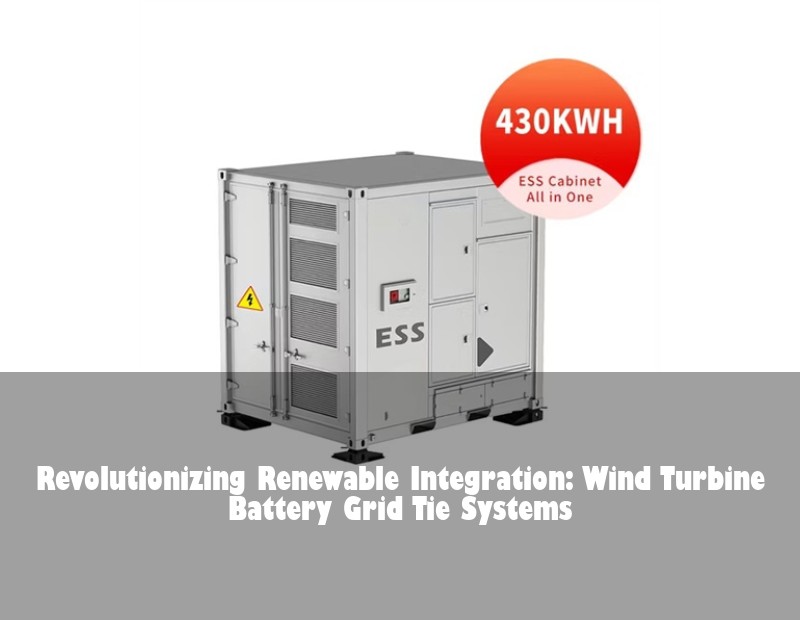
Table of Contents
- The Challenge: Intermittency in Wind Energy Generation
- Critical Data: Why Wind-Battery Systems Are Non-Negotiable
- How Grid-Tie Battery Systems Solve the Wind Energy Puzzle
- Real-World Triumph: Denmark's Samsø Island Transformation
- Technical Deep Dive: Components & Integration Essentials
- What’s Next? Emerging Innovations in Wind-Battery Synergy
- Your Turn: Is Your Energy Strategy Ready for This Shift?
The Challenge: Intermittency in Wind Energy Generation
Ever noticed how wind turbines sometimes stand eerily still on calm days? That's the heart of the challenge. Wind energy's intermittent nature creates grid instability—excess power during gales and shortages when winds drop. Traditional systems waste surplus energy or rely on fossil backups, undermining sustainability goals. This volatility becomes critical in grid-tie applications where consistent supply is non-negotiable. Imagine a hospital switching to diesel generators because wind suddenly dipped! The solution? Pairing turbines with intelligent battery storage.
Critical Data: Why Wind-Battery Systems Are Non-Negotiable
Consider these European insights:
- Wind curtailment costs EU nations €1.4 billion annually in wasted energy (WindEurope, 2023)
- Grid-tied systems with storage reduce backup diesel use by 78%
- Batteries slash wind power intermittency by up to 90% during 24-hour cycles
| Scenario | Without Storage | With Battery Grid-Tie |
|---|---|---|
| Peak Wind Utilization | 42% | 89% |
| Grid Stability Events/Year | 120-150 | Under 20 |
| ROI Timeframe | 8-12 years | 4-6 years |
These numbers aren't just impressive—they're transformative for utilities and commercial operators alike.
How Grid-Tie Battery Systems Solve the Wind Energy Puzzle
Here's where the magic happens. A grid-tie battery system acts as a buffer between turbines and the grid. When turbines overproduce, batteries store excess instead of wasting it. When winds fade, stored energy discharges seamlessly. The system hinges on three key components:
- Smart Inverters: Synchronize battery DC output with grid AC requirements
- Dynamic Controllers: Predict wind patterns using AI algorithms
- Bidirectional Metering: Track energy flows for optimal tariffs
 Image source: Wind farm battery integration schematic (Unsplash)
Think of it as giving wind energy a "brain" and a "bank account"—storing value for when it's needed most.
Real-World Triumph: Denmark's Samsø Island Transformation
Let's talk about Samsø Island—Denmark's renewable energy showcase. Facing frequent grid instability with its 21 turbines, the island deployed a 10MWh battery grid-tie system in 2022. Results?
- 100% renewable self-sufficiency achieved (previously 70%)
- Annual savings: €620,000 in grid-balancing costs
- Wind curtailment reduced from 19% to 2.3%
The system feeds excess power to mainland Denmark during peak generation, creating a revenue stream. As project lead Lars Hansen noted: "Batteries turned our wind variability from a liability into a market advantage." Danish Energy Agency Report confirms these outcomes.
Technical Deep Dive: Components & Integration Essentials
System Architecture: More Than Just Wiring
Integrating turbines with batteries requires precision. Key considerations for European installations:
- Voltage Matching: 690V turbine output to 400-800V battery systems
- Grid Compliance: Meeting EN 50549-2 for renewable injection
- Cycling Strategy: Limiting battery cycles to 80% DoD for longevity
 Image source: Industrial battery installation (Unsplash)
Lithium vs. Flow Batteries: Europe's Shifting Preference
While lithium dominates, projects like Germany's Volterion show vanadium flow batteries gaining traction for their 20,000+ cycle lifespan—crucial for wind's frequent charge/discharge patterns.
What’s Next? Emerging Innovations in Wind-Battery Synergy
The frontier is advancing rapidly. Siemens Gamesa's wind-to-heat prototype converts excess energy into thermal storage, while Norway's experimental floating turbines integrate seabed pressure batteries. Perhaps most promising: blockchain-enabled peer-to-peer trading—where your turbine profits by selling stored wind power to neighbors during grid shortages. The question isn't if these innovations will scale, but when they'll become standard.
Your Turn: Is Your Energy Strategy Ready for This Shift?
Wind turbine battery grid tie systems aren't just technology—they're redefining Europe's energy independence. With the EU targeting 45% renewables by 2030, can operators afford to ignore this convergence? What would a 70% reduction in your grid vulnerability fee do for your bottom line? The batteries are charged, the turbines are spinning—now's the moment to connect them.
 Inquiry
 Online Chat