


Which Type of Solar Panel is Best for Your Energy Goals?
Table of Contents
- The Solar Panel Landscape: More Options Than Ever
- Breaking Down the Contenders: Monocrystalline vs. Polycrystalline vs. Thin-Film
- Performance Showdown: Efficiency, Temperature & Durability
- Real-World Insights: A Hamburg Residential Case Study
- Your Decision Guide: 5 Key Selection Factors
- Emerging Technologies: What's Next for Solar Panels?
- Your Solar Journey: Where to Go From Here?
The Solar Panel Landscape: More Options Than Ever
You've decided to harness the sun's power, but when researching solar panels, you're met with a dizzying array of choices. Monocrystalline? Polycrystalline? Thin-film? It's like walking into a tech store where every device claims to be "the best." The truth? There's no universal winner—only the best fit for your unique situation. With Europe's solar capacity growing 40% year-over-year (SolarPower Europe, 2023), understanding these differences has never been more crucial.
Breaking Down the Contenders
Let's demystify the three main solar panel types dominating the global market:
Monocrystalline Solar Panels: The Efficiency Kings
Recognizable by their uniform black hue and rounded cell edges, monocrystalline panels are crafted from single-crystal silicon. They're the premium choice for space-constrained roofs, converting 20-23% of sunlight into electricity. Though pricier upfront, their sleek design and longevity make them popular in urban European settings.
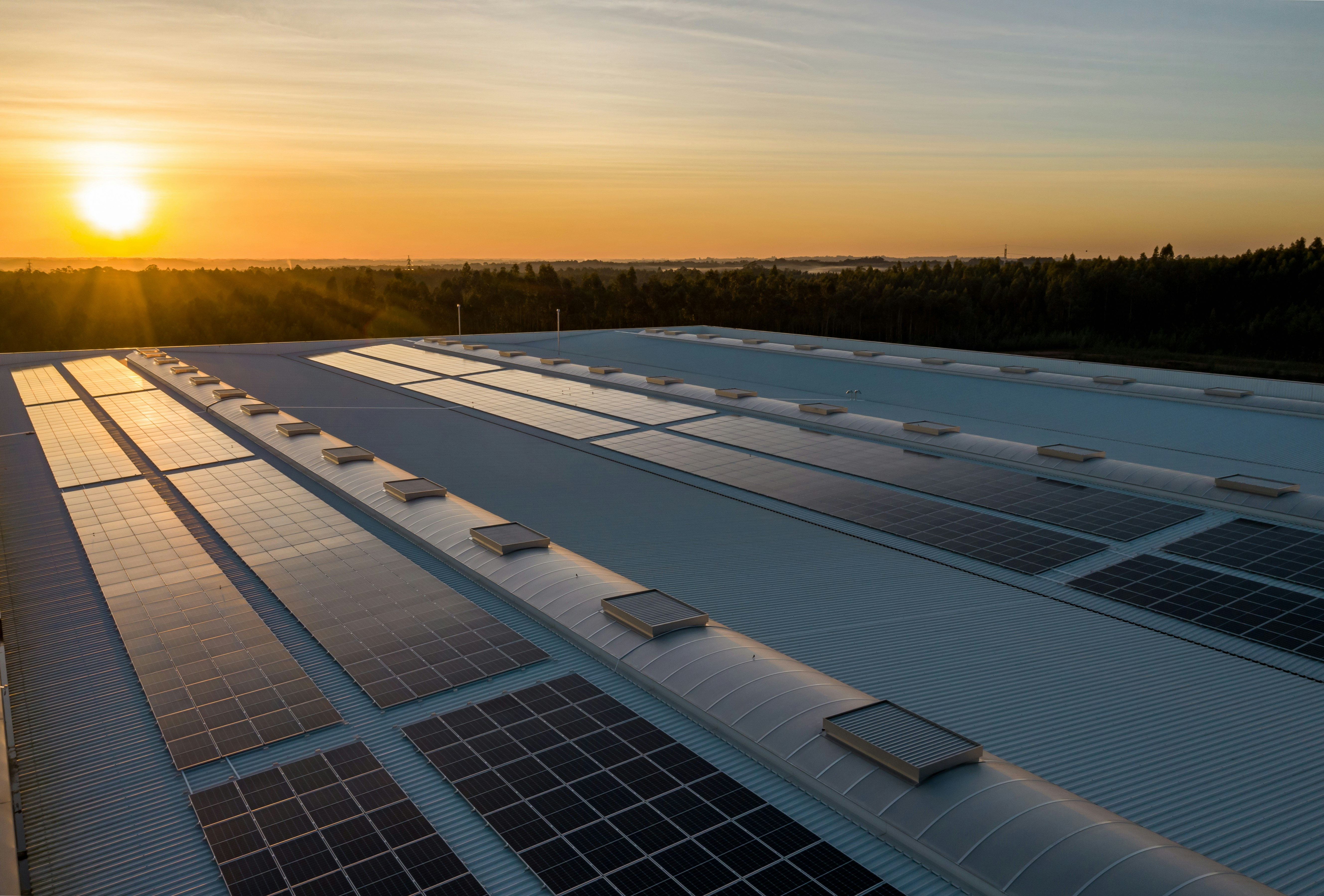
Image: Monocrystalline installation in Amsterdam. Credit: SolarDesign Archive
Polycrystalline Solar Panels: The Value Champions
With their distinctive blue speckled appearance, polycrystalline panels use multiple silicon fragments melted together. Slightly less efficient (15-18%) but more affordable, they're ideal when roof space isn't a limitation. Perfect for larger rural installations where budget efficiency matters most.
Thin-Film Solar Panels: The Flexible Innovators
These lightweight panels apply photovoltaic material in layers thinner than a human hair. While less efficient (10-13%), they excel in non-traditional applications: curved surfaces, solar carports, or industrial buildings with weight restrictions. Their lower temperature sensitivity gives them an edge in Mediterranean climates.
| Feature | Monocrystalline | Polycrystalline | Thin-Film |
|---|---|---|---|
| Efficiency Range | 20-23% | 15-18% | 10-13% |
| Cost per Watt (€) | 0.90-1.10 | 0.70-0.85 | 0.60-0.75 |
| Temperature Coefficient | -0.3%/°C | -0.4%/°C | -0.2%/°C |
| Best For | Limited space, aesthetics | Budget projects | Non-standard surfaces |
Performance Showdown: Efficiency, Temperature & Durability
Why does temperature coefficient matter? Imagine a sweltering Spanish summer day where rooftop temperatures hit 65°C. Standard panels lose 15-25% output, but thin-film's lower coefficient means just 8-10% loss. Meanwhile, in cloudy UK conditions, monocrystalline's superior low-light performance shines. Durability tests reveal crystalline panels maintain >90% output after 25 years, while thin-film degrades slightly faster but withstands hail better.
Real-World Insights: A Hamburg Residential Case Study
Consider the Müller family's 2022 Hamburg installation comparing two 5kW systems:
- Monocrystalline system: Produced 5,200 kWh/year despite limited roof space
- Polycrystalline alternative: Generated 4,600 kWh/year but cost €1,200 less upfront
Over 10 years, the monocrystalline system's extra output translated to €740 more savings (based on Germany's 0.32€/kWh feed-in tariff). But here's the twist: The poly system reached payback 18 months faster. This highlights how local electricity rates and financing options dramatically impact the "best" choice. Fraunhofer ISE data confirms such regional variations across Europe.
Your Decision Guide: 5 Key Selection Factors
Ready to cut through the noise? Ask yourself:
- Roof Real Estate: Got <50m²? Monocrystalline maximizes wattage per square meter
- Climate Personality: Hot Southern Europe? Prioritize temperature coefficient. Cloudy North? Focus on low-light performance
- Aesthetic Preferences: Historic district? Black monocrystalline blends better than blue polycrystalline
- Budget Timeline: Planning to move in 5 years? Polycrystalline offers faster ROI. Staying 20+ years? Monocrystalline pays dividends
- Future-Proofing: Considering EV charging or home batteries? Leave expansion space with higher-efficiency panels
Emerging Technologies: What's Next for Solar Panels?
While traditional panels dominate today, keep an eye on:
- Bifacial panels: Capture reflected light, boosting output by 11-23% on light-colored surfaces
- PERC technology: Enhances monocrystalline efficiency to 23%+ by adding a rear conductive layer
- Solar tile integration: Companies like Solarwatt offer invisible solutions for heritage buildings
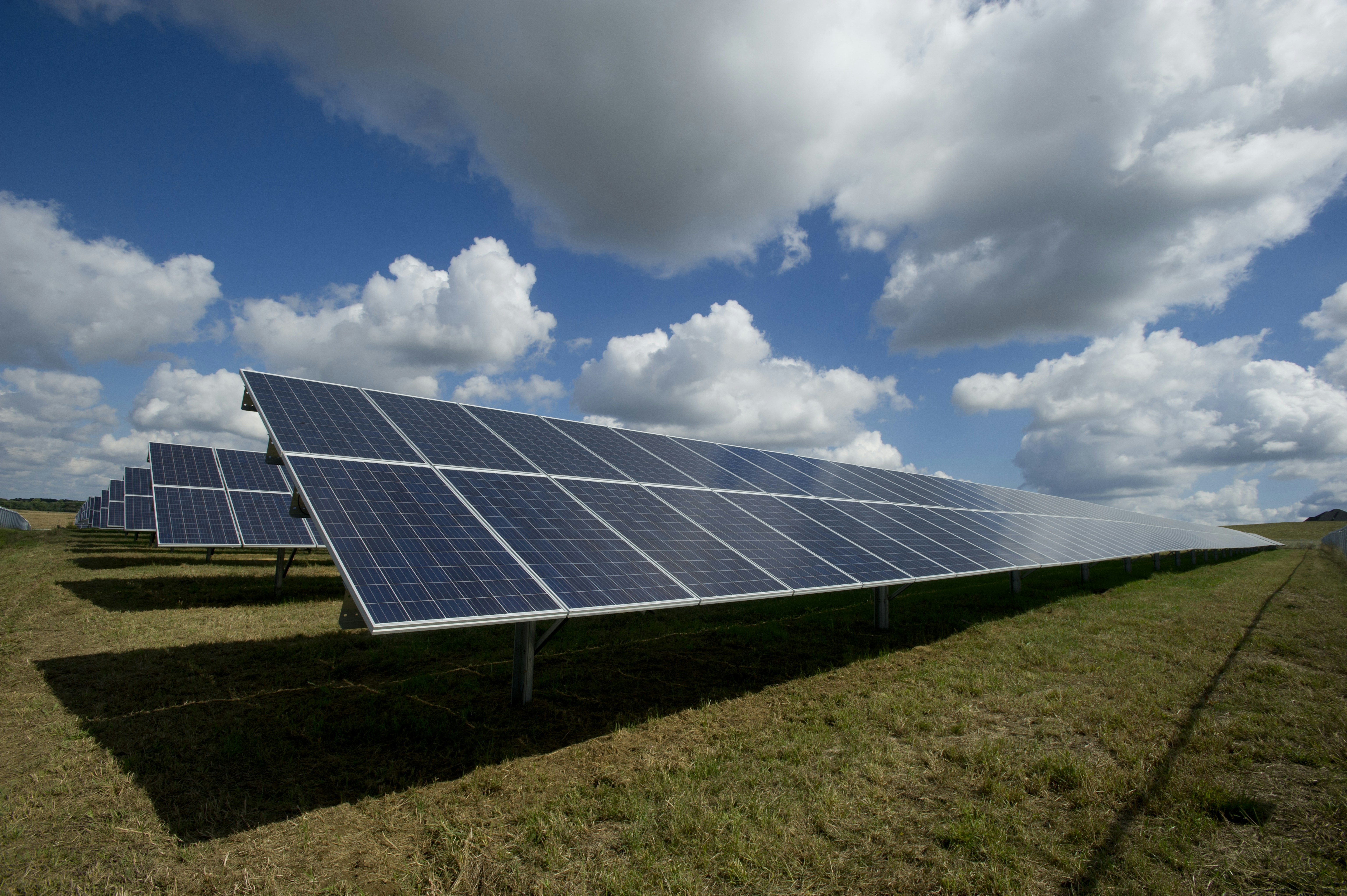
Bifacial installation in Spain. Credit: RenewableTech Media
Your Solar Journey: Where to Go From Here?
We've navigated the tech specs together, but here's what I'm genuinely curious about: What specific energy challenge—whether it's shrinking your carbon footprint, achieving energy independence, or slashing those rising electricity bills—first made you consider solar power? Your answer might just reveal which panel type deserves a spot on your roof. Why not share your thoughts with our community forum?
 Inquiry
 Online Chat