


Understanding the Different Types of Solar PV Panels for Optimal Energy Harvesting
Table of Contents
As global demand for renewable energy surges, understanding the types of solar PV panels becomes critical for homeowners and businesses alike. Europe leads this transition, with solar capacity growing 40% year-over-year. But how do you navigate the technological maze?
Monocrystalline Solar Panels: The Efficiency Champions
Recognizable by their uniform black hue and rounded cell edges, monocrystalline panels are crafted from single-crystal silicon. This purity allows electrons greater movement freedom, translating to industry-leading efficiency rates of 20-23%.
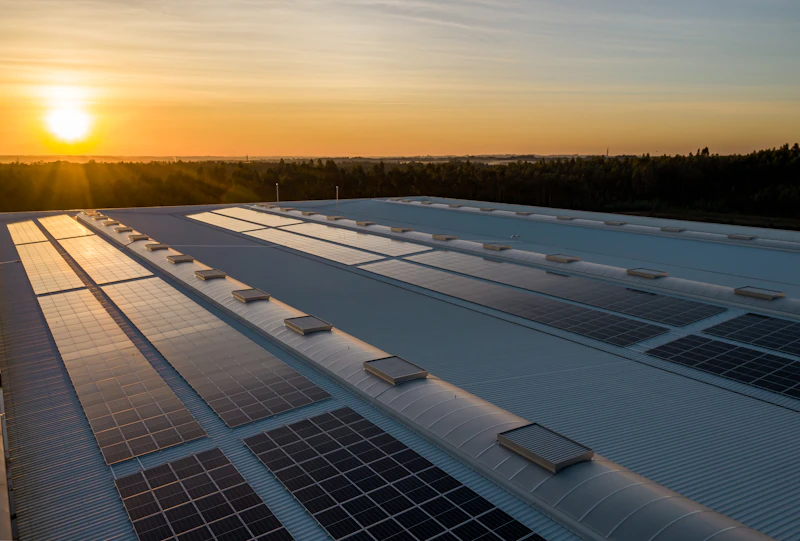 Image: High-efficiency monocrystalline installation (Source: Unsplash)
Key Advantages:
- Space-efficient: Generates 150W per m² versus 120W for polycrystalline
- 25-30 year lifespan with <0.5% annual degradation
- Superior low-light performance
"We've seen German homeowners achieve 25% higher winter yields with mono PERC panels," notes SolarPower Europe's 2023 market report.
Polycrystalline Panels: The Cost-Effective Workhorse
With their distinctive blue speckled appearance, polycrystalline panels melt multiple silicon fragments together. While slightly less efficient (15-18%), they offer compelling value:
- 15-20% lower upfront cost than monocrystalline
- Proven reliability in temperate climates
- Faster energy payback period (1-2 years)
UK farm installations often leverage this technology, where expansive roof spaces mitigate efficiency differences.
Thin-Film Technology: The Flexible Innovator
Unlike crystalline silicon panels, thin-film deposits photovoltaic material on surfaces like glass or metal. Major subtypes include:
| Type | Efficiency | Applications |
|---|---|---|
| CIGS | 12-14% | Building-integrated PV |
| CdTe | 10-12% | Utility-scale projects |
| a-Si | 6-8% | Consumer electronics |
Dutch architects increasingly specify CIGS panels for curved surfaces, as seen in Rotterdam's Sonneveld House retrofit.
Head-to-Head Performance Metrics
 Image: Efficiency comparison visualization (Source: Pexels)
Consider these critical factors when comparing types of solar PV panels:
- Temperature Coefficient: Monocrystalline loses only -0.3%/°C vs -0.4% for polycrystalline
- Degradation: Thin-film degrades 1% annually vs 0.4% for crystalline silicon
- ROI Timeline: Monocrystalline pays back in 7-9 years in Germany vs 8-10 for polycrystalline
Real-World Insights: A German Residential Case Study
When the Müller family in Bavaria compared types of solar PV panels for their 10kW installation, the data revealed surprises:
- Monocrystalline produced 11,200 kWh/year vs polycrystalline's 9,800 kWh
- Despite 22% higher initial cost, monocrystalline delivered €1,850 more annual savings
- Thin-film underperformed by 31% during winter months
Fraunhofer ISE's 2024 study confirms: "Monocrystalline dominates 78% of new German residential installations due to space constraints."
Matching Panel Technology to Your Needs
Your optimal choice depends on three key variables:
- Available Space: Limited roofs demand monocrystalline's power density
- Budget: Polycrystalline offers faster ROI for large commercial roofs
- Aesthetics: Black monocrystalline blends with premium architecture
As solar consultant Eva Richter observes: "We're now custom-blending technologies - monocrystalline for south-facing surfaces, thin-film for east-west facades."
 Inquiry
 Online Chat