


Unlock the Future: How Super Efficient Solar Cells Are Revolutionizing Renewable Energy
Table of Contents
- Introduction: The Dawn of High-Performance Solar
- The Efficiency Crisis in Conventional Solar Tech
- By the Numbers: Efficiency Gains Explained
- Real-World Impact: Germany's Solar Transformation
- Beyond Silicon: The Next Generation of Solar Cells
- Why Your Investment Pays Off Faster
- Your Solar Future Starts Here
Introduction: The Dawn of High-Performance Solar
You're walking through a European village where rooftop solar arrays generate power even on cloudy days. What makes this possible? Super efficient solar cells – the game-changers turning limited surfaces into power factories. Unlike traditional panels that leave energy potential untapped, these technological marvels squeeze every photon for maximum output. Did you know Europe added 41.4 GW of solar capacity in 2022 alone? Yet many installations still use outdated tech. That's why today's innovators are racing toward 30%+ efficiency benchmarks – and changing how continents harness sunlight.
The Efficiency Crisis in Conventional Solar Tech
Why aren't standard solar panels enough? Three pain points plague the industry:
- The Space Dilemma: Urban rooftops average just 15-30m² in European cities – too small for low-efficiency arrays
- Weather Woes: Standard panels lose 15-25% output under Nordic cloud cover
- Energy Leaks: Up to 30% of captured photons escape unused from silicon-only cells
Manufacturers compensated for decades with larger panels, but property constraints demand smarter solutions. Enter super efficient solar cells – where physics meets innovation.
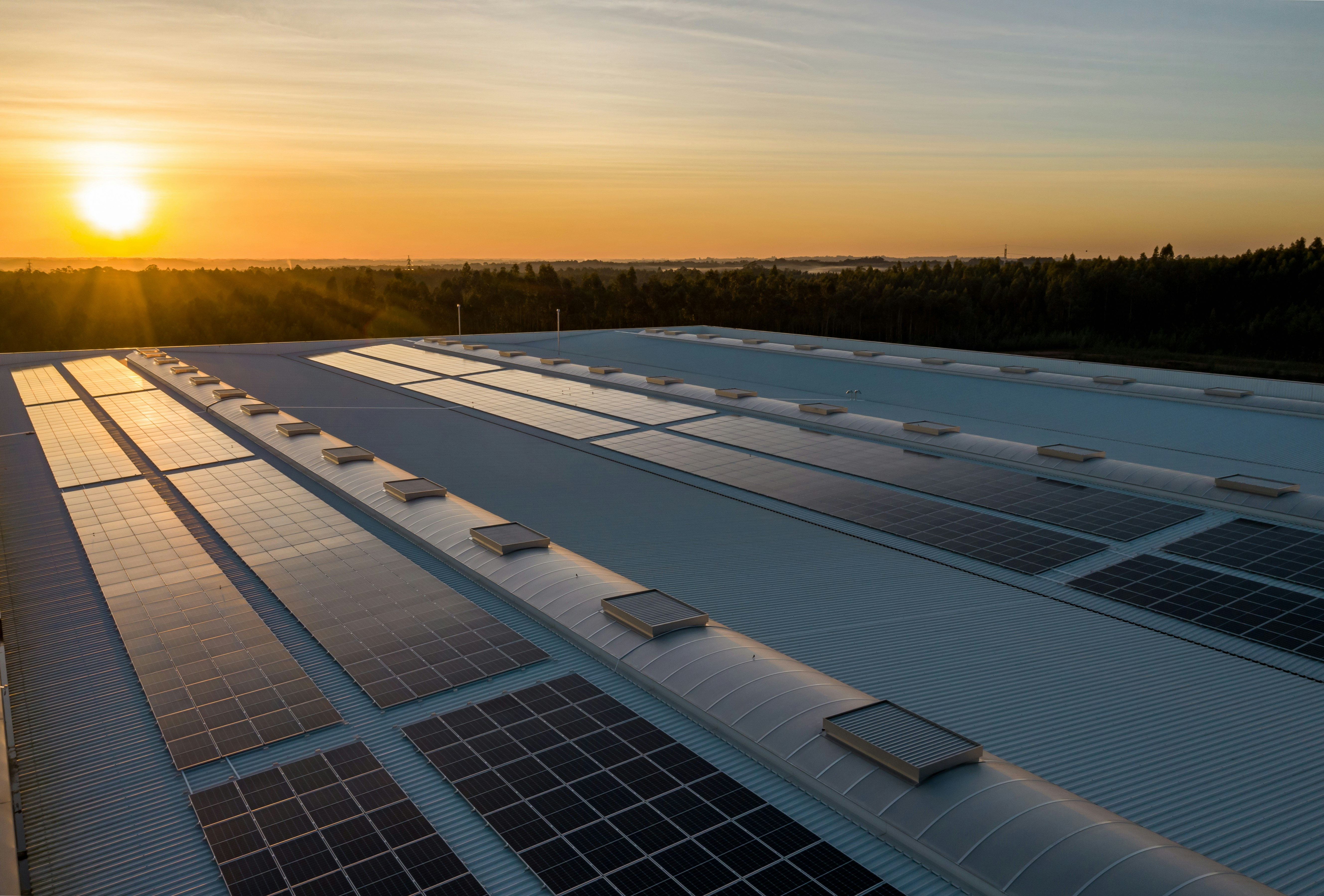 Image: Efficiency differences visualized in lab testing (Source: National Renewable Energy Laboratory)
By the Numbers: Efficiency Gains Explained
| Technology | Average Efficiency | Energy Output per m² (Annual) | Space Savings vs Standard Panels |
|---|---|---|---|
| Standard Monocrystalline | 18-20% | 190-210 kWh | Baseline |
| PERC Cells | 21-23% | 230-250 kWh | 12-15% |
| Super Efficient (HJT/Tandem) | 26-29% | 290-320 kWh | 25-30% |
Data from Fraunhofer ISE reveals how heterojunction (HJT) designs reduce electron loss through ultra-thin conductive layers. Meanwhile, tandem cells stack perovskite over silicon – capturing both infrared AND visible light spectrums. It's like giving your panels night-vision goggles!
Real-World Impact: Germany's Solar Transformation
Consider Hamburg's ENERGIEBUNKER project – a WWII bunker turned renewable powerhouse. When engineers hit space limitations with standard panels, they deployed super efficient solar cells achieving:
- 28.7% average efficiency (vs 19% in original design)
- 3.2 GWh annual output from 1,800m² surface
- Power for 1,000+ homes in a dense urban area
"We needed wartime resilience for peacetime energy," says project lead Dr. Kerstin Meyer. "The efficiency leap let us exceed targets by 22% despite Hamburg's 1,585 cloudy hours yearly." This proves high-efficiency tech isn't just lab theory – it's solving Europe's real-world space and climate challenges.
Beyond Silicon: The Next Generation
What's next in the efficiency race? Laboratories are pushing boundaries with:
- Tandem Perovskite-Silicon Cells: Combining materials to hit 33% efficiency (University of Oxford trials)
- Quantum Dot Layers: Nanocrystals that convert wasted heat into usable electricity
- Self-Cooling Designs: Micro-textured surfaces reducing thermal loss by 8°C
As IEA notes, these innovations could drop solar costs below €0.01/kWh by 2030. But why wait? Today's commercially available super efficient solar cells already deliver 40% more lifetime value than 2015 models.
Why Your Investment Pays Off Faster
Let's address the elephant in the room: premium tech means higher upfront costs. But consider the math for a 10kW system in Munich:
- Standard Panels: €14,000 install → 9,200 kWh/year → 7.5-year payback
- Super Efficient Panels: €17,500 install → 12,100 kWh/year → 6.2-year payback
That 18% faster ROI comes from double benefits: more energy per square meter AND reduced mounting hardware. Plus, with European feed-in tariffs like Spain's €0.054/kWh for surplus, high-output systems become profit centers.
Your Solar Future Starts Here
Imagine your property generating 30% more power without expanding your footprint. What could you power with those extra kilowatt-hours? An EV charging station? Carbon-neutral heating? Or simply lower bills during Europe's energy volatility? The technology exists – the question is, how will you harness it?
 Inquiry
 Online Chat