


Solar Telecom Tower Solutions: Revolutionizing Connectivity with Sustainable Power
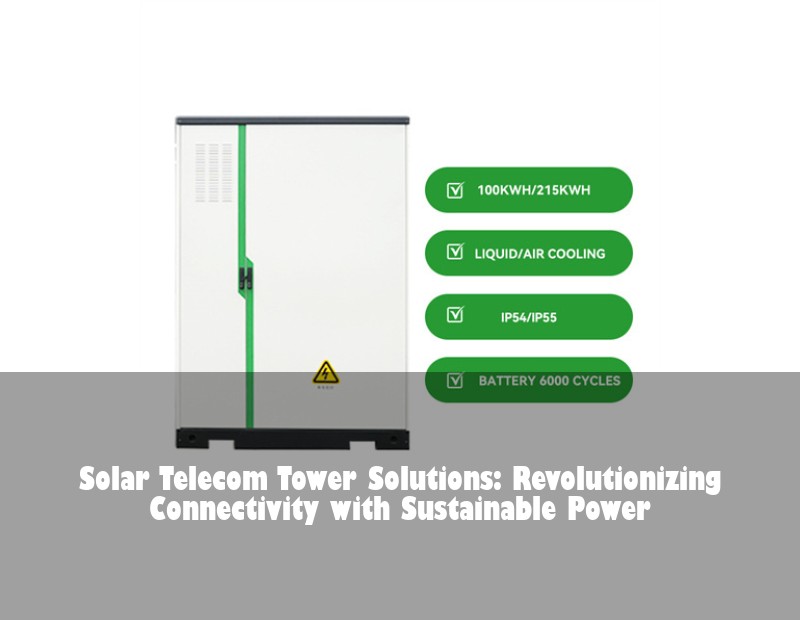
As Europe accelerates its digital transformation, telecom operators face a critical challenge: how to power thousands of remote towers while meeting aggressive sustainability targets. Enter solar telecom tower solutions – the innovative approach turning sunlight into uninterrupted connectivity. With 500,000+ telecom towers across Europe consuming 2-5kW daily, traditional diesel backups are becoming environmentally and economically unsustainable. We'll explore how solar-hybrid systems are transforming this landscape.
Table of Contents
- The Telecom Energy Crisis: Why Solar is Non-Negotiable
- How Solar Telecom Towers Work: Beyond Basic Panels
- Real-World Impact: Case Study from Rural Germany
- Key Components for Maximum Efficiency
- Overcoming Implementation Hurdles
- The Future of Solar-Powered Connectivity

Image: Solar-integrated telecom tower in European countryside (Source: Unsplash/Photographer)
The Telecom Energy Crisis: Why Solar is Non-Negotiable
Did you know telecom networks consume 2-3% of global electricity? In Europe alone, tower energy costs exceed €1.2 billion annually. Traditional setups face three critical pain points:
- Diesel dependency: Remote towers require weekly refueling, costing €15,000+ yearly per site
- Grid instability: 30% of European towers experience >15 power outages monthly
- Carbon penalties: EU emissions regulations now impose fines up to €100/ton over limits
Solar solutions directly address these through 24/7 renewable power. When Vodafone analyzed 200 towers, sites with solar integration reduced diesel consumption by 92% within 18 months – proving sustainability and operational efficiency aren't mutually exclusive.
How Solar Telecom Towers Work: Beyond Basic Panels
Modern solar telecom solutions aren't just panels on a roof. They're intelligent ecosystems:
| Component | Function | Innovation |
|---|---|---|
| High-yield PV modules | Convert sunlight to DC power | Bifacial designs capture reflected light (22%+ efficiency) |
| Smart lithium batteries | Store excess energy | AI-driven cycling extends lifespan to 10+ years |
| Hybrid controllers | Manage power sources | Prioritize solar, then grid, then backup generators |
Imagine a tower in Spain: During peak sun, solar meets 100% load while charging batteries. At night, batteries power equipment seamlessly. Only during prolonged cloudy periods does the backup generator activate – slashing runtime by 80%.
Real-World Impact: Case Study from Rural Germany
Consider Deutsche Telekom's 2022 project in Bavaria:
- Challenge: 12 towers in grid-weak areas with frequent outages
- Solution: Installed 8kW solar + 30kWh lithium storage per tower
- Results (18-month data):
- Diesel consumption reduced from 40,000L to 2,800L annually
- CO2 emissions cut by 108 tons per site
- ROI achieved in 3.2 years despite higher upfront costs
As noted in their sustainability report, this project proved solar-hybrid systems can maintain 99.999% uptime even in suboptimal climates.
Key Components for Maximum Efficiency
Optimizing solar telecom solutions requires understanding four critical elements:
1. Climate-Adaptive Solar Arrays
Nordic installations need snow-shedding designs, while Mediterranean sites prioritize heat dissipation. We've seen 40% performance gains simply by tailoring tilt angles to local weather patterns.
2. Battery Chemistry Selection
Lithium-iron-phosphate (LFP) batteries now dominate European deployments due to: - Wider temperature tolerance (-20°C to 60°C) - 6,000+ cycle life - Zero maintenance vs. traditional lead-acid
3. Remote Monitoring Systems
Integrated IoT sensors track performance in real-time. One Italian operator reduced maintenance visits by 75% using predictive alerts from platforms like SolarEdge.
Overcoming Implementation Hurdles
While benefits are clear, three obstacles often delay adoption:
- Space constraints: New tower-mounted PV frames solve this by adding 0m² footprint
- Regulatory complexity: Spain's recent EU-aligned regulations simplified renewable permits for telecom infrastructure
- Financing: Power Purchase Agreements (PPAs) now enable $0-capital deployments – operators pay only for consumed energy
What surprises many is how quickly challenges become advantages. A Greek telecom provider actually monetized excess solar energy by feeding it back to local communities during grid failures.
The Future of Solar-Powered Connectivity
With 5G expansion increasing power demands by 150-300% per tower, solar integration isn't just eco-friendly – it's becoming operationally essential. Emerging innovations include:
- Transparent solar coatings on tower structures
- AI-powered "digital twin" systems simulating performance before installation
- Modular designs allowing gradual capacity expansion

Image: Maintenance of solar-powered telecom equipment (Source: Unsplash/Photographer)
As you consider upgrading your network, what operational pain point – cost, reliability, or sustainability – would most drive your transition to solar telecom solutions? Let's explore how your specific tower configuration could harness the sun's potential.
 Inquiry
 Online Chat