


The Ultimate Guide to Solar Smart Power Inverters: Efficiency Meets Intelligence
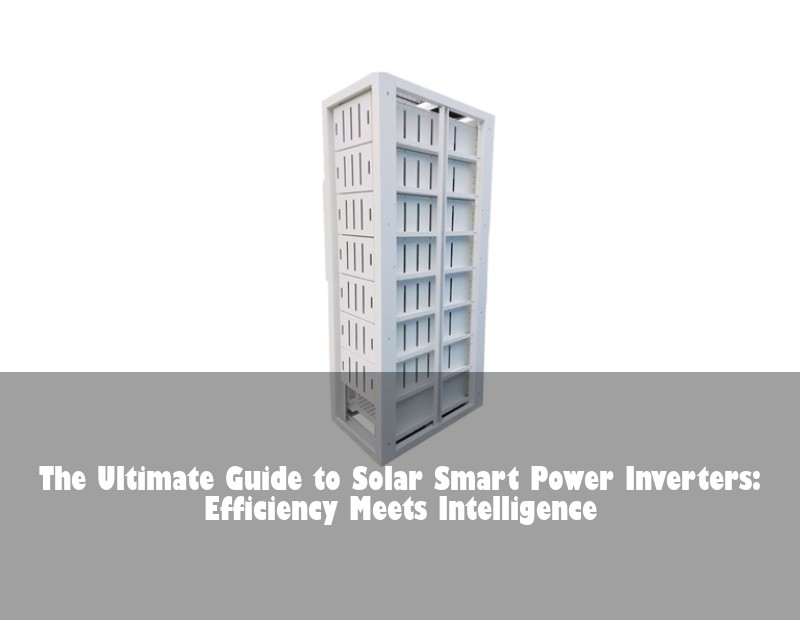
Ever wondered how European homes are slashing energy bills while boosting grid independence? The answer lies in one transformative device: the solar smart power inverter. Unlike traditional inverters, these intelligent systems dynamically optimize energy flows between solar panels, batteries, and appliances—turning passive generation into active energy management.
Table of Contents
- The Hidden Energy Drain in Modern Homes
- Europe's Solar Revolution: By the Numbers
- Real-World Success: A German Case Study
- How Smart Inverters Solve Energy Challenges
- Beyond Conversion: The Grid-Interactive Future
The Hidden Energy Drain in Modern Homes
Your solar panels generate excess power at noon, but your battery can't store it all. By evening, you're buying expensive grid electricity. This mismatch is Europe's silent energy crisis—where up to 30% of solar potential gets wasted due to inflexible systems.
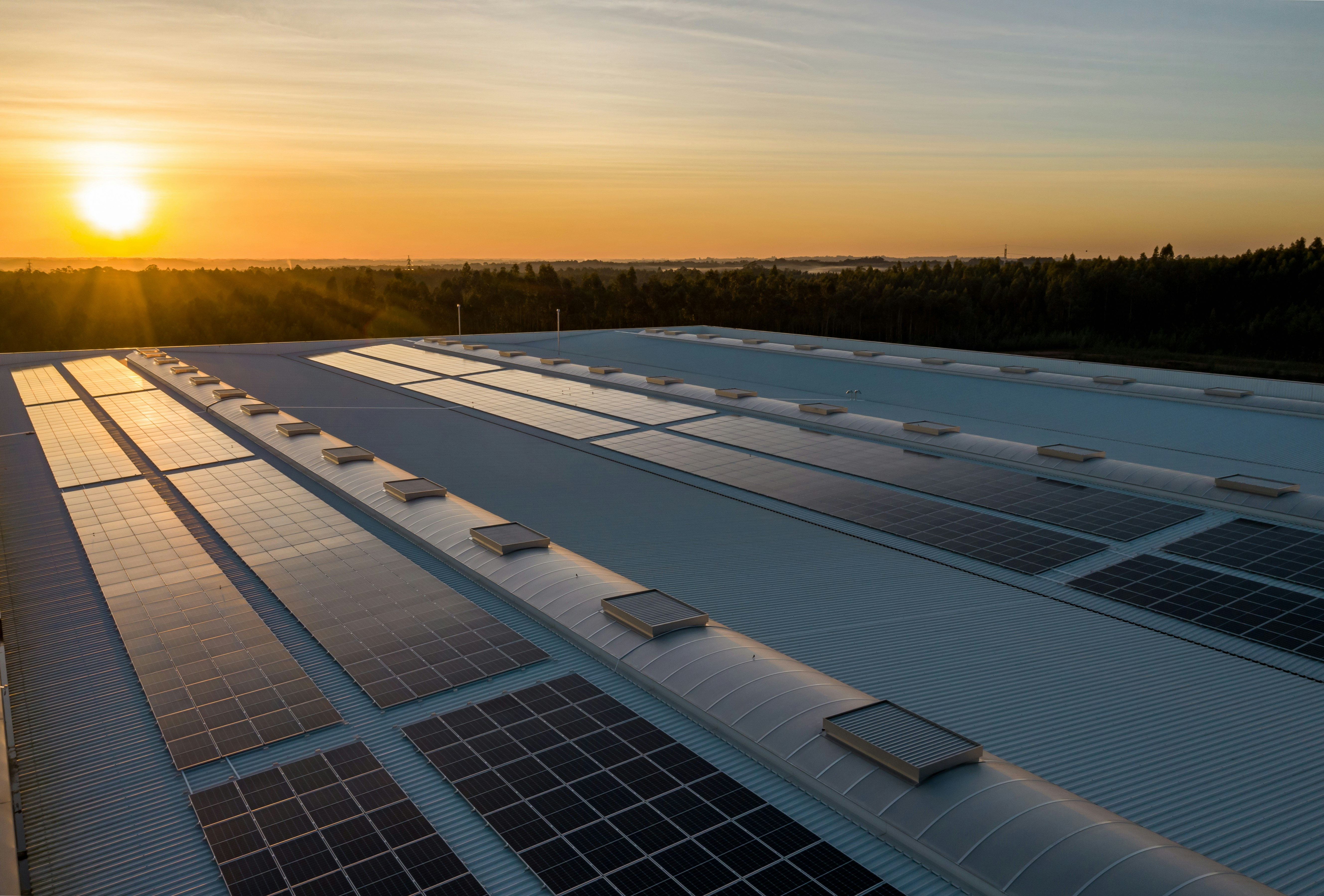
Image: Modern energy monitoring system in a European household. Source: Unsplash
Three Critical Pain Points
- Peak-hour dependency: 68% of EU households pay premium rates during evening grid demand spikes
- Battery inefficiency: Standard inverters lose 12-15% of energy in DC-AC conversion
- Grid vulnerability: Frequency fluctuations cause 4.2 million annual outage hours in Western Europe
Europe's Solar Revolution: By the Numbers
| Metric | 2020 | 2023 | Growth |
|---|---|---|---|
| Residential PV Installations | 18.4 GW | 29.7 GW | 61% ↑ |
| Homes with Battery Storage | 315,000 | 780,000 | 148% ↑ |
| Energy Self-Sufficiency Rate | 35-45% | 65-80%* | +30% ↑ |
*With smart inverter systems | Data: IEA Solar PV Report 2023
Real-World Success: A German Case Study
When the Müller family near Frankfurt installed a solar smart power inverter in 2022, their energy patterns transformed:
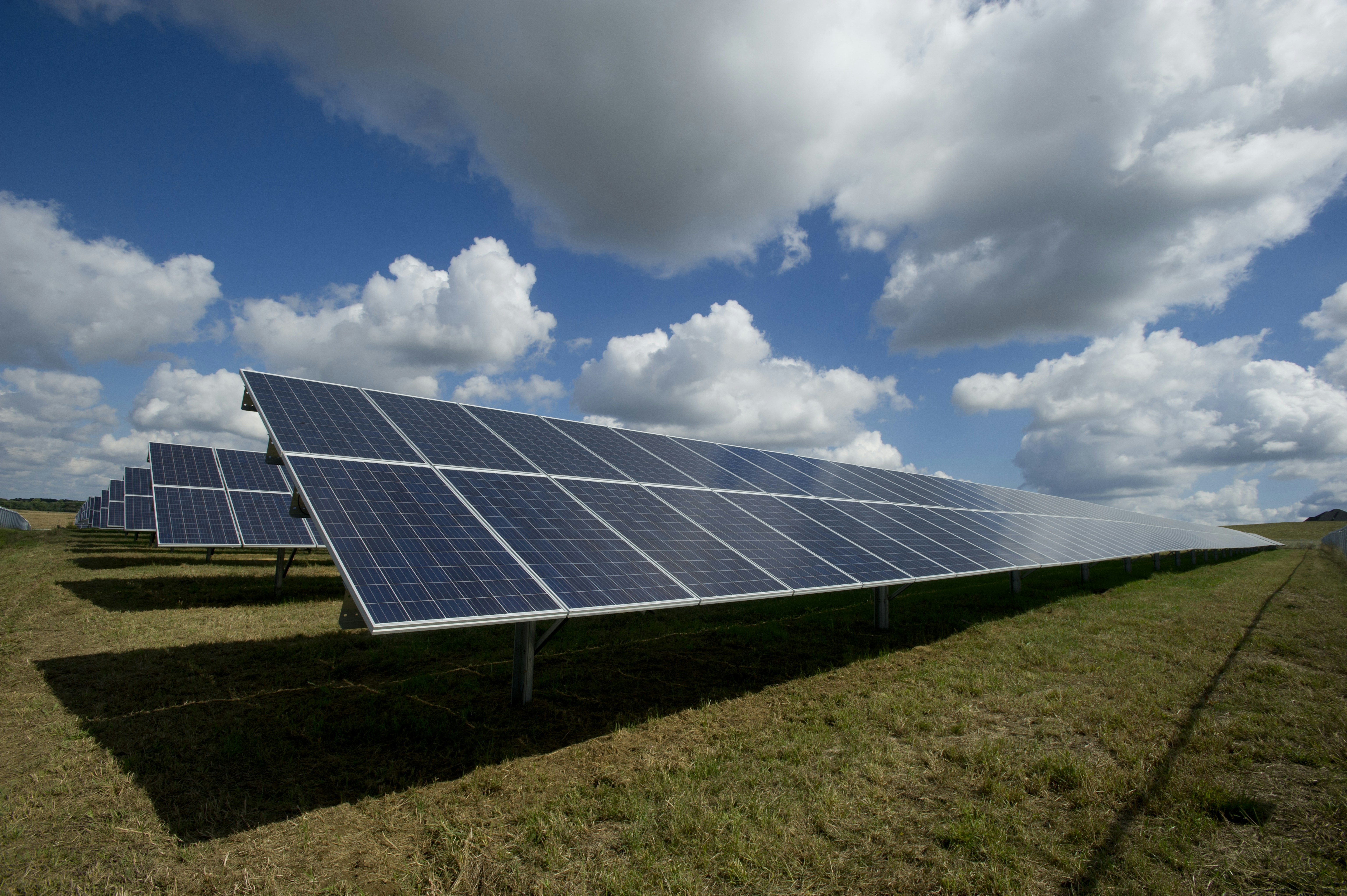
Image: Technician installing smart inverter in Germany. Source: Unsplash
12-Month Performance Metrics
- ⚡ 92% self-consumption of solar generation (vs. 68% previously)
- 💶 €1,240 annual savings through peak-shaving algorithms
- 🔋 18% longer battery lifespan via adaptive charging cycles
- 🌍 4.2 tons CO2 reduction through grid-support functions
Data validated by Fraunhofer ISE monitoring
How Smart Inverters Solve Energy Challenges
Traditional inverters simply convert DC to AC. Smart inverters act as energy conductors with three revolutionary capabilities:
The Intelligence Triad
- Predictive Learning: Analyzes weather forecasts and usage patterns to pre-charge batteries before cloudy periods
- Grid Servicing: Automatically stabilizes voltage/frequency during outages (EN 50549-2 compliant)
- Multi-flow Control: Simultaneously manages solar → battery → EV charging → grid export with <1ms switching
Beyond Conversion: The Grid-Interactive Future
Europe's new smart grid initiatives reward homes that provide grid-balancing services. Modern solar smart power inverters enable:
Virtual Power Plant (VPP) Integration
- Earn €120-600/year by joining utility VPP programs
- Respond automatically to grid stress signals within 500ms
- Contribute to continent-wide renewable stability during Dunkelflaute events
As solar penetration hits 35% in Germany and Spain, could your inverter become a revenue-generating grid asset rather than just a conversion device?
 Inquiry
 Online Chat