


Solar Power On-Grid System: Your Gateway to Energy Independence and Savings
Table of Contents
- Introduction: The Solar Revolution
- What is a Solar Power On-Grid System?
- Europe's Energy Transformation
- The Problem: Energy Costs & Grid Vulnerability
- The Solution: How On-Grid Solar Systems Work
- Real Results: Germany's Solar Success Story
- Key Components of Efficient Systems
- Addressing Common Concerns
- How to Get Started
- The Future of On-Grid Solar
Introduction: The Solar Revolution
Have you noticed your electricity bills climbing while worrying about carbon footprints? You're not alone. Across Europe, homes and businesses are turning to solar power on-grid systems as a smart solution. These innovative setups let you generate clean energy while staying connected to the traditional grid – offering the best of both worlds.
What is a Solar Power On-Grid System?
Simply put, an on-grid solar system connects your photovoltaic panels directly to the public electricity grid. Unlike off-grid systems requiring batteries, on-grid setups feed surplus energy back to the grid. When your panels produce more than you need (say, on sunny afternoons), your meter spins backward. At night or during cloudy days, you seamlessly draw power from the grid. It's like having a two-way energy relationship with your utility company!
Europe's Energy Transformation
Europe leads the global shift to renewables, with solar capacity growing exponentially. Consider this: In 2022 alone, the EU installed 41.4 GW of new solar capacity – enough to power 12.4 million homes! Why this surge? Three key drivers:
- Soaring electricity prices (up 40-70% in some regions since 2021)
- Ambitious EU climate targets requiring 45% renewable energy by 2030
- Improved panel efficiency reducing payback periods to 6-8 years
The Problem: Energy Costs & Grid Vulnerability
Traditional grids face twin challenges: rising costs and instability. During the 2022 energy crisis, European households saw bills increase by €1,000+ annually. Meanwhile, aging infrastructure causes power outages costing EU businesses €150 billion yearly. This volatility creates financial stress and operational risks for families and companies alike.
The Solution: How On-Grid Solar Systems Work
Here's where solar power on-grid systems shine. They transform sunlight into usable AC electricity through a smart four-step process:
- Solar panels convert sunlight into DC electricity
- An inverter transforms DC into grid-compatible AC power
- Your property consumes solar energy first, reducing grid dependence
- Excess energy flows back to the grid, earning credits or payments

Source: Professional solar installation by certified technicians (Unsplash)
Key Benefits You'll Experience
| Benefit | Impact | Timeframe |
|---|---|---|
| Reduced Bills | 40-70% lower electricity costs | Immediate |
| Earnback | €200-€600/year from surplus energy | First billing cycle |
| Carbon Reduction | 2-5 tons CO2/year per household | Annual |
| Property Value | 4-6% home value increase | At resale |
Real Results: Germany's Solar Success Story
Let's examine actual performance. In Bavaria, the Müller family installed a 8kW on-grid system in 2021. Their results after 24 months:
- Annual savings: €1,240 (68% bill reduction)
- Surplus income: €422/year from feed-in tariffs
- System cost recovery: 6.2 years (faster than projected)
Germany's Fraunhofer Institute reports similar outcomes nationwide, with residential systems achieving 25-30% returns on investment – outperforming many traditional investments.
Key Components of Efficient Systems
Not all on-grid systems perform equally. Top-tier installations include:
- Monocrystalline Panels (22%+ efficiency)
- String Inverters with >98% conversion rates
- Smart Monitoring for real-time performance tracking
- Grid Protection Devices ensuring safe disconnects during outages
Addressing Common Concerns
We often hear these valid questions:
"What happens during blackouts?" Standard on-grid systems shut down for safety, but adding battery backup creates resilience.
"Will I still get bills?" Yes, but dramatically reduced – typically just grid maintenance fees during sunny months.
"Is maintenance difficult?" Modern systems need only bi-annual cleaning and annual professional checks.
How to Get Started
Ready to explore solar? Follow this action plan:
- Request a site assessment (many providers offer free evaluations)
- Analyze your energy consumption patterns
- Explore local incentives – most EU countries offer tax credits
- Select certified installers with proven track records
The Future of On-Grid Solar
With IEA projections showing solar becoming Europe's primary energy source by 2030, what innovations await? We're seeing:
- Blockchain-enabled peer-to-peer energy trading
- AI-optimized consumption forecasting
- Bifacial panels capturing reflected sunlight
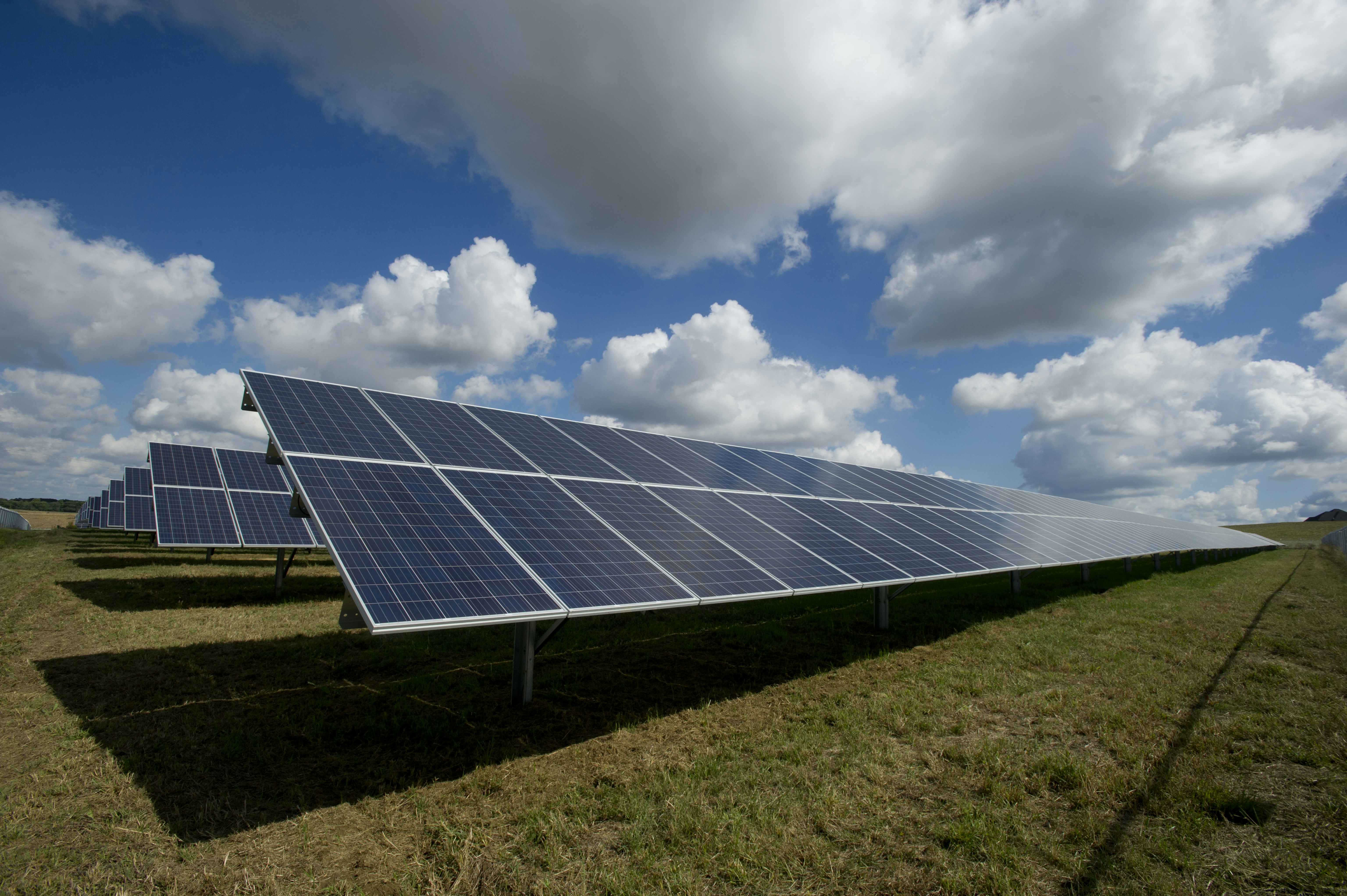
Source: Next-generation solar monitoring system (Unsplash)
Your Solar Journey Starts Now
What energy challenges could a solar power on-grid system solve for your home or business this year?
 Inquiry
 Online Chat