


Solar Panel Prices Zimbabwe: A Gateway to Global Solar Affordability
Table of Contents
The Solar Price Puzzle in Zimbabwe
When discussing solar panel prices Zimbabwe, we observe a fascinating paradox. Globally, photovoltaic costs have plummeted 89% since 2010 according to IRENA, yet many Zimbabwean consumers still perceive solar as prohibitively expensive. Why? Import duties averaging 25%, currency volatility, and fragmented supply chains create local price distortions. A typical 5kW residential system that costs €4,500 in Europe might retail for €6,200+ in Harare due to these layered expenses.
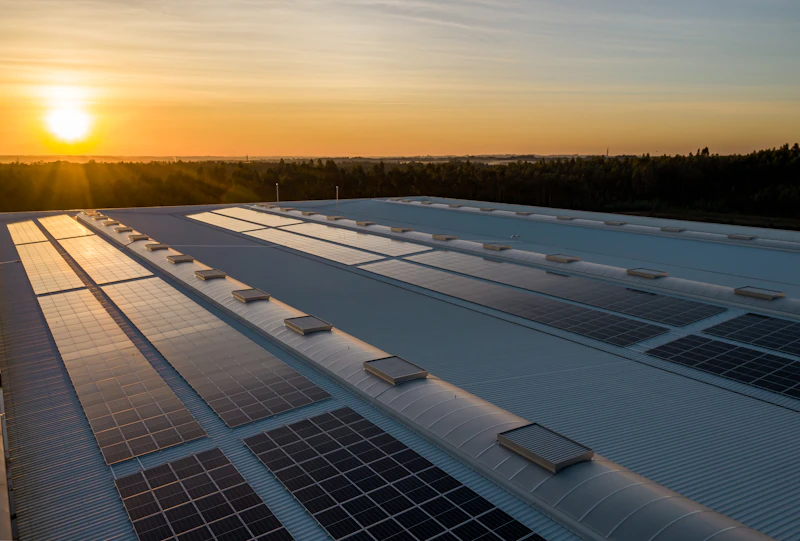 Image source: Unsplash - Solar deployment in African communities
Global Price Drop vs. Local Realities
Let's contextualize Zimbabwe's situation within worldwide solar economics. Three key drivers are reshaping global markets:
- Manufacturing Scale: Chinese production now delivers panels at €0.15/Watt
- Technology Leap: PERC cells achieve 23% efficiency, reducing space/cost per watt
- Logistics Innovation: Containerized shipping cuts transport costs by 40% since 2019
| Cost Component | Germany (€/W) | Zimbabwe (€/W) | Variance |
|---|---|---|---|
| Panels (Tier-1) | 0.22 | 0.38 | +73% |
| Import Duties | 0% | 15-30% | N/A |
| Installation Labor | 0.40 | 0.25 | -38% |
| Total System Cost | 1.25 | 1.85 | +48% |
How Germany Solved the Affordability Equation
Germany's solar revolution offers actionable lessons. In 2000, German panel prices were 35% above European averages. Their solution combined:
- Policy Innovation: Feed-in tariffs guaranteed ROI for 20 years
- Localized Manufacturing: Q CELLS established factories near demand centers
- Consumer Financing: KfW Bank's low-interest solar loans (1.5% APR)
The results? Solar adoption jumped 800% from 2003-2013. Today, a 10kW commercial installation near Munich delivers payback in 6.2 years—faster than Zimbabwe's grid connection fees for many businesses. Fraunhofer ISE data shows how standardization reduced German soft costs by 62% since 2012, proving replicable models exist.
Zimbabwe's Unique Solar Opportunities
Despite challenges, Zimbabwe holds distinct advantages. The country's 3,000+ annual sunshine hours outperform Germany's 1,600, meaning systems generate 45% more kWh per kW installed. We're seeing innovative approaches:
- Mobile Payment Integration: Pay-as-you-go solar through EcoCash reduces upfront costs
- Hybrid Microgrids: Mines like Blanket Mine use solar-diesel blends, cutting energy costs by 60%
- Local Assembly: Harare-based ZimSolar now produces racks and inverters, trimming import needs
 Image source: Unsplash - High-efficiency panels in high-sun regions
The Future of Solar Economics in Africa
The International Energy Agency projects Africa's solar capacity will grow 250% by 2027. For Zimbabwe, three trends could reshape pricing:
- Pan-African manufacturing initiatives like AfDB's Desert to Power program
- Falling battery costs (now €120/kWh) enabling 24/7 solar
- Blockchain-enabled peer-to-peer energy trading trials
The Critical Question for European Stakeholders
As Germany's experience proves, policy frameworks catalyze affordability. Could European investment in Zimbabwean solar infrastructure create win-win scenarios—lowering local prices while generating returns exceeding European solar parks? What partnerships would make this feasible?
 Inquiry
 Online Chat