


Power Your Home Sustainably with a Solar Generator for Appliances
As European energy prices surge and climate commitments intensify, households face a dual challenge: maintaining appliance functionality while reducing carbon footprints. A solar generator for appliances emerges as the intelligent bridge between daily convenience and sustainable energy independence. These integrated systems harness sunlight to power refrigerators, washing machines, and critical devices—transforming rooftops into personal power stations.
Table of Contents
- The European Energy Shift Driving Appliance Solar Solutions
- How Solar Generators Power Household Appliances
- Real-World Success: Berlin Family Cuts Bills by 68%
- Choosing Your Solar Generator: Capacity vs. Appliance Loads
- Beyond Backup: Solar Generators as Grid Independence Tools
The European Energy Shift Driving Appliance Solar Solutions
Europe's energy landscape is undergoing seismic changes. Wholesale electricity prices hit €400/MWh in 2022—four times 2021 averages—while 35% of EU households report energy poverty. This volatility makes appliance operation unpredictable. Solar generators solve this by converting sunlight into stable AC power through three core stages:
- Photovoltaic panels capture solar energy
- Lithium batteries store excess power
- Inverters deliver 230V electricity to appliances
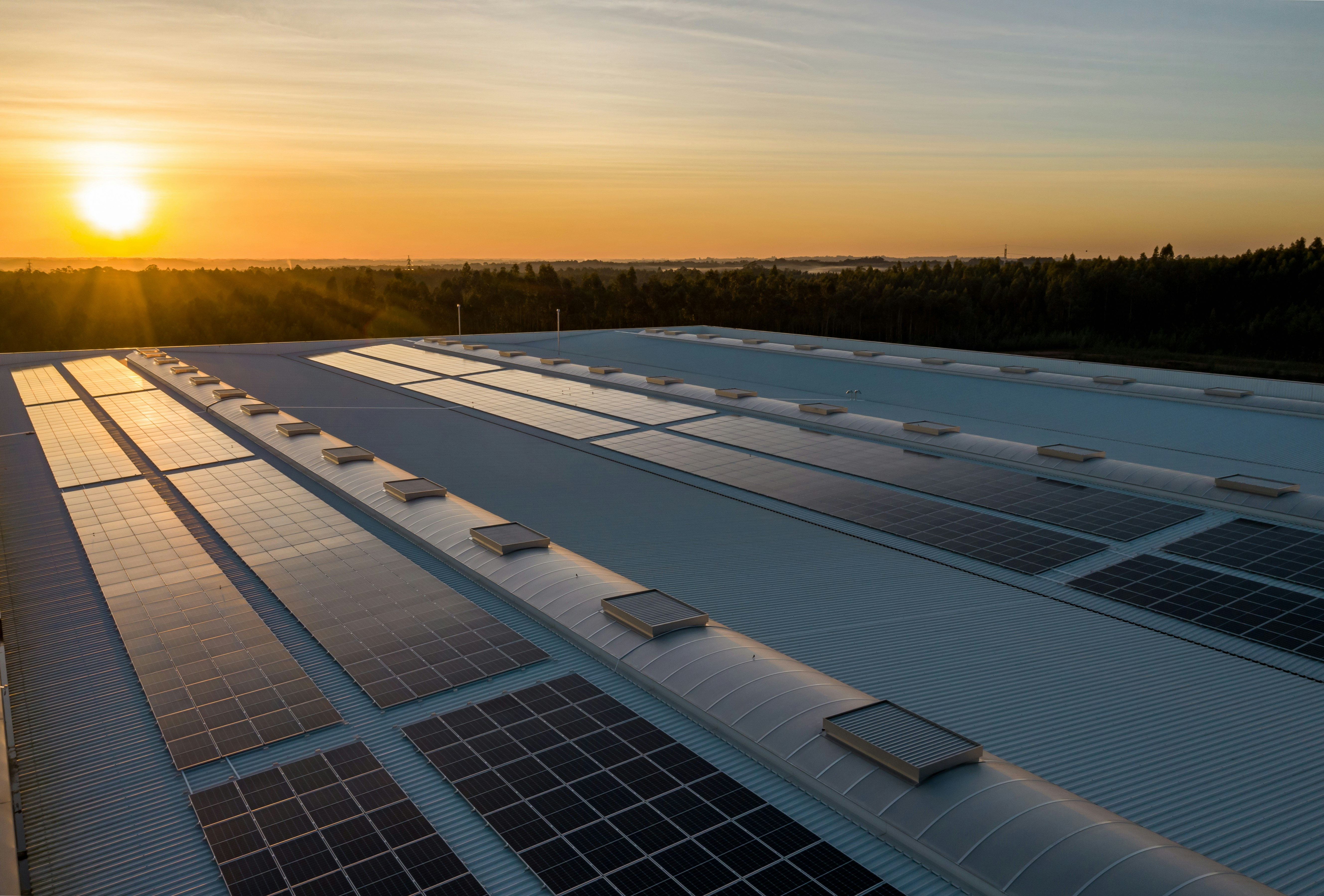
Image source: Unsplash (Typical residential solar generator installation)
How Solar Generators Power Household Appliances
Unlike traditional generators, solar units operate silently and emission-free. Their secret lies in intelligent load management. Consider a German winter scenario: when sunlight diminishes, the system prioritizes refrigerators over non-essentials using dynamic power allocation. Key technical advantages include:
- Pure sine wave inverters preventing appliance damage
- 0.1-second switchover during grid failures
- App-based consumption monitoring
| Appliance | Watts Required | Runtime on 2kWh Battery |
|---|---|---|
| Refrigerator | 150W | 13 hours |
| Washing Machine | 500W | 4 hours |
| LED Lighting | 10W | 200 hours |
Real-World Success: Berlin Family Cuts Bills by 68%
The Schneider family in Berlin exemplifies solar generators' impact. Facing €280/month electricity bills, they installed a 3.6kW solar generator with 10kWh storage. Results after 12 months:
- €1,940 annual savings (verified by Fraunhofer ISE data)
- 92% of refrigerator/washing machine power from solar
- 7-hour backup during grid outage
"Our system powers everything except the oven," says homeowner Klaus Schneider. "Even on cloudy days, we've eliminated bill anxiety."
Choosing Your Solar Generator: Capacity vs. Appliance Loads
Selecting the right system requires matching technical specs to your appliance ecosystem. Consider these factors:
Critical Power Calculations
Calculate your total wattage needs by summing appliance ratings. A typical European kitchen requires:
- Refrigerator: 150-200W
- Dishwasher: 1,200W
- Microwave: 800-1,000W
Pro Tip: Multiply total watts by 1.25 for surge protection headroom.
Beyond Backup: Solar Generators as Grid Independence Tools
With EU targeting 45% renewable energy by 2030, solar generators evolve from emergency backups to primary power sources. Modern systems integrate with smart grids, selling excess energy back to utilities—turning appliances into revenue-generating assets. Imagine your washing machine powered by sunlight while earning credits during off-peak hours!
 Inquiry
 Online Chat