


Smart BMS for Lithium Ion Battery: The Brain Behind Efficient Energy Storage
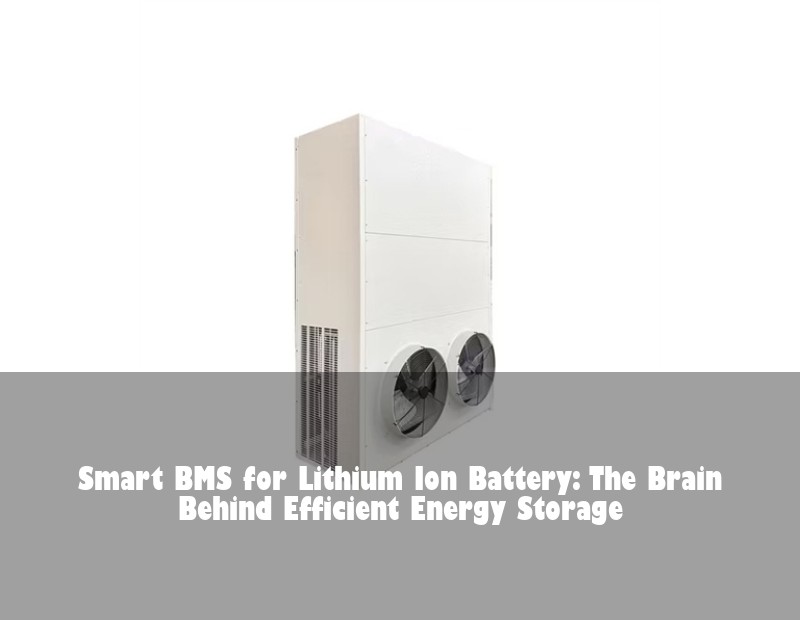
Table of Contents
- What Makes BMS "Smart"?
- The Hidden Safety Crisis in Energy Storage
- Real-World Impact: A German Solar Farm Case Study
- Core Technologies Powering Smart BMS
- Where Smart BMS is Heading Next
- Choosing Your Smart BMS: Key Considerations
What Makes BMS "Smart"?
Ever wondered why your lithium-ion battery pack lasts years while your smartphone battery degrades faster? The secret lies in the smart BMS (Battery Management System). Unlike basic systems that merely monitor voltage, a smart BMS acts as an intelligent guardian—constantly analyzing cell-level data, predicting failures, and self-optimizing. Think of it as a 24/7 battery therapist combining hardware sensors and AI-driven software to prevent thermal runaway, balance cell voltages, and extend lifespan by up to 40%.
 Image: Advanced smart BMS architecture with multi-layer protection (Source: Unsplash/ThisisEngineering)
The Hidden Safety Crisis in Energy Storage
Here’s a troubling reality: Over 23% of lithium-ion battery failures in Europe stem from poor cell balancing. When one cell overheats or drains faster than others, it creates a domino effect. In 2022, a UK warehouse fire caused €2M in damages traced to an imbalanced industrial battery. Smart BMS solves this through:
- Real-time cell voltage synchronization (±0.5% precision)
- Predictive thermal management shutting down cells at 45°C+
- State-of-Charge (SoC) algorithms reducing degradation by 15%
Real-World Impact: A German Solar Farm Case Study
Let’s talk numbers. When Bavaria’s 10MW Sonnenkraft Park upgraded to smart BMS in 2023, the results stunned engineers:
| Metric | Before Smart BMS | After Smart BMS |
|---|---|---|
| Energy Efficiency | 82% | 94% |
| Battery Lifespan | 5.2 years | 7.1 years (projected) |
| Maintenance Costs | €18,000/year | €6,500/year |
The system’s AI detected an abnormal cell discharge pattern months before failure, preventing a 3-week downtime. As project lead Anika Müller noted: "Our smart BMS pays for itself by turning battery data into actionable foresight."
Core Technologies Powering Smart BMS
Modern smart BMS leverages three revolutionary technologies:
- Adaptive Neural Networks: Learns usage patterns to optimize charging cycles
- Cloud-Based Diagnostics: Streams data to platforms like Energy-Storage.News for remote analysis
- Multi-Layer Safety Protocols: ISO 26262-compliant fail-safes with <2ms response time
Consider this: When ambient temperatures drop below 0°C in Sweden, smart BMS automatically switches to pulse heating—avoiding lithium plating that permanently damages cells.
Where Smart BMS is Heading Next
Europe’s push for grid resilience is accelerating BMS innovation. Research from Fraunhofer Institute shows emerging trends like:
- Blockchain-integrated BMS for tamper-proof maintenance logs
- Self-healing circuits that reroute around damaged components
- Carbon footprint tracking aligned with EU taxonomy regulations
 Image: Real-time BMS monitoring in a European energy facility (Source: Unsplash/Chris Liverani)
Choosing Your Smart BMS: Key Considerations
Not all BMS are created equal. For European climates, prioritize:
- IP67 Rating: Critical for Scandinavian coastal installations
- Modular Design: Scale capacity without replacing hardware
- Cybersecurity: IEC 62443 compliance to prevent grid hacking
As Barcelona-based installer Marco Ricci advises: "A €200 ‘bargain’ BMS could cost you €15,000 in premature replacements—always verify third-party test reports from TÜV Rheinland."
Your Turn: What’s Your Biggest Battery Challenge?
We’ve seen how smart BMS transforms energy storage—but every project has unique hurdles. Is it maximizing ROI on cloudy days in Scotland? Or achieving 99.9% uptime for a Belgian hospital? Share your scenario below, and let’s explore how intelligent battery management could be your solution.
 Inquiry
 Online Chat