


Roof Solar Panels and Battery Storage: Your Home's Powerplant Revolution
Table of Contents
It’s 8pm in Berlin, electricity rates just surged 45% during peak hours, yet your lights stay on and your energy bill stays rock-bottom. How? Thousands of European homeowners are unlocking this reality with integrated roof solar panels and battery storage systems. As energy volatility reshapes our lives, this duo transforms rooftops from passive shields into active power stations.
1. Why Energy Independence Starts on Your Rooftop
Remember when €0.30/kWh electricity seemed shocking? In 2023, German households faced average rates of €0.40/kWh – Fraunhofer ISE reports a 70% increase since 2020. This isn’t just about costs; it’s grid fragility. Last winter’s blackouts in France affected 200,000 homes. But here’s the twist: Modern solar+battery systems now achieve 80-95% self-sufficiency – turning vulnerability into sovereignty.
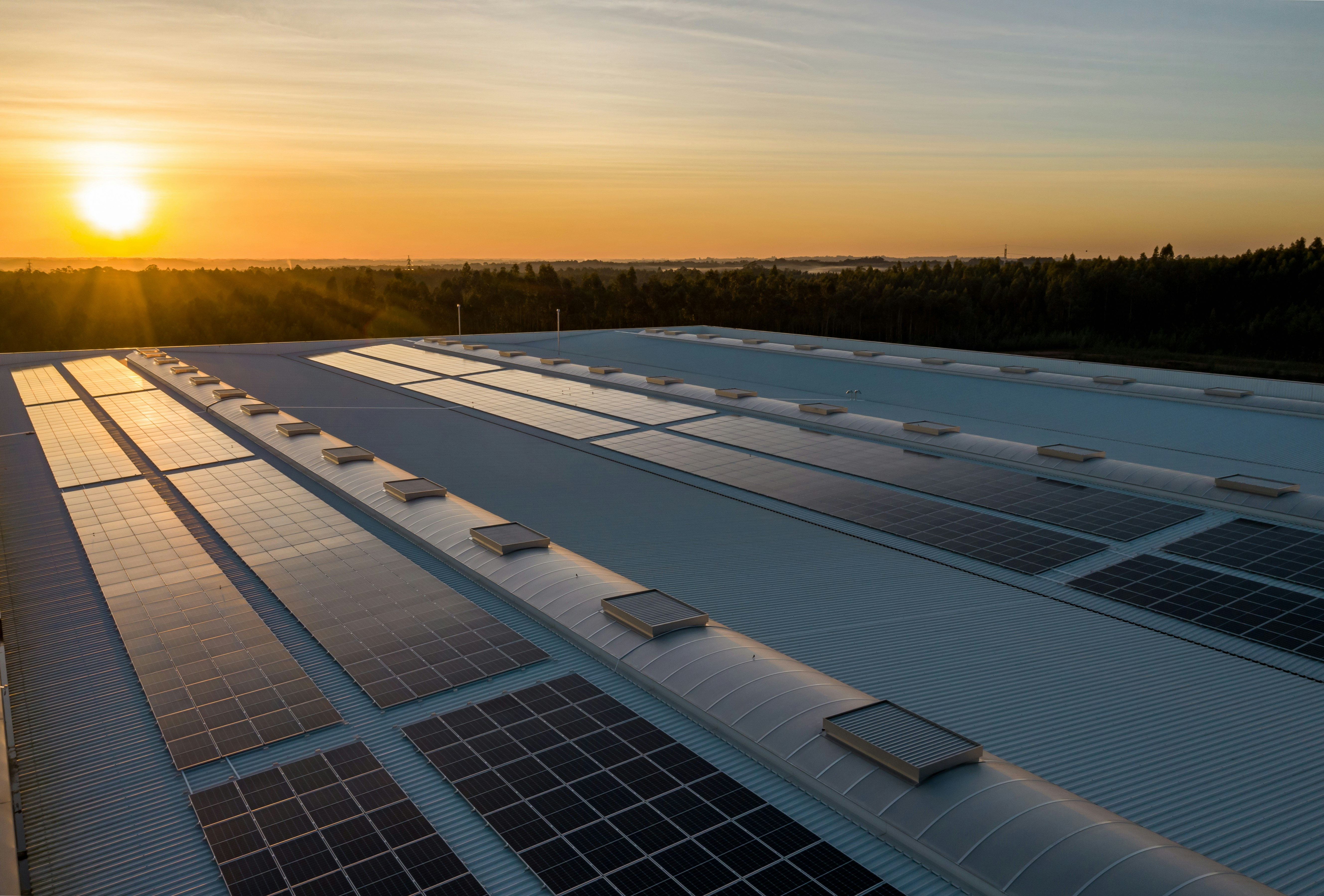
A typical solar+battery installation in the Netherlands
2. How Solar + Storage Systems Actually Work
Think of your roof panels as diligent energy farmers. They harvest sunlight (even on cloudy days!), converting photons into DC electricity. Your inverter then transforms this into AC power for immediate use. The magic happens when excess energy flows into your battery storage instead of feeding back to the grid at low rates. Here’s the nighttime advantage:
- Daytime: Solar powers home + charges batteries
- Evening peak: Batteries discharge avoiding expensive grid power
- Grid failure: Automatic backup power activation
| Component | Function | Lifespan |
|---|---|---|
| Solar Panels | Sunlight to electricity conversion | 25+ years |
| Hybrid Inverter | Manages energy flow & conversions | 10-15 years |
| LiFePO4 Battery | Stores excess solar energy | 6,000+ cycles |
3. The Unmatched Financial & Ecological Payback
Let’s talk numbers – because sustainability must be economical. With current UK feed-in tariffs below €0.08/kWh versus €0.42/kWh import rates (IEA data), consuming your own solar energy is 5x smarter than selling it. Add battery storage and watch your payback period shrink:
- Energy bill reductions: 60-90% across EU climates
- ROI timelines: 5-7 years in Germany vs. 10+ years for solar alone
- Carbon impact: A typical 8kW system reduces CO2 by 3.2 tonnes annually – equivalent to planting 80 trees yearly
4. Real Results: Hamburg Family Case Study
The Vogt family’s 2022 installation in northern Germany proves this isn’t theoretical. Their 9.6kW solar array + 13.5kWh battery achieved:
- Annual energy self-consumption: 94% (vs. 35% pre-battery)
- Grid dependence: Reduced from 4,200kWh to 310kWh yearly
- Financial outcome: €2,190 saved in first year despite 22% energy inflation
Their secret? "We sized our battery to cover evening consumption, not daytime excess," explains homeowner Klaus Vogt. "Our energy app shows we’ve avoided 17 grid price spikes this month alone."
5. Smart Installation Considerations
Not all roofs are created equal. Before jumping in, consider these technical nuances our engineers always discuss:
Roof Suitability Factors
- Orientation: South-facing ideal, but east-west configurations capture 85% of potential
- Shading: Micro-inverters mitigate partial shading issues
- Battery Placement: Garage/basement installations avoid temperature extremes
Policy Landscape
Spain’s new VAT exemption cuts installation costs by 10%, while Italy’s "Superbonus 110%" scheme remains active. Always check local regulations!
6. What Could Your Energy Future Look Like?
Imagine opening your energy app tomorrow: Would you see a graph of unpredictable grid purchases, or a self-sustaining curve of solar generation and battery usage? With battery prices dropping 89% since 2010 (BloombergNEF), this technology isn’t coming – it’s already here. So tell us: What’s the one energy worry keeping you awake at night that solar+storage could solve?
 Inquiry
 Online Chat