


The Strategic Role of Renewable Energy Professional Organizations in Global Energy Transition
Table of Contents

Image source: Unsplash/Professional renewable energy team meeting at solar farm
The Rising Demand for Coordinated Expertise
Ever noticed how the renewable energy sector's complexity grows exponentially each year? As global solar capacity surpassed 1.2 TW in 20231, a critical challenge emerged: fragmented knowledge across developers, engineers, and policymakers. This is where renewable energy professional organizations become indispensable. They transform isolated expertise into collective intelligence, creating standardized frameworks that accelerate deployment while reducing costly errors. For solar professionals navigating volatile markets, these networks provide the stability pillars needed for sustainable growth.
European Leadership in Renewable Energy Organizations
Europe's structured approach to energy transition provides a blueprint for global collaboration. Consider these 2024 statistics:
| Organization Type | Key Impact Areas | Membership Growth (2020-2024) |
|---|---|---|
| Policy Advocacy Groups | Legislative frameworks, subsidy programs | 62% increase |
| Technical Consortiums | BESS safety standards, grid integration | 78% increase |
| Market Intelligence Hubs | Investment trends, technology forecasting | 115% increase |
This surge reflects a fundamental shift: professionals now view organizational membership not as optional, but as career-critical infrastructure. As Spanish solar developer Elena Rodriguez notes, "Our participation in SolarPower Europe directly influenced three project approvals by aligning our designs with EU-wide technical specifications."
Case Study: German Renewable Energy Federation (BEE)
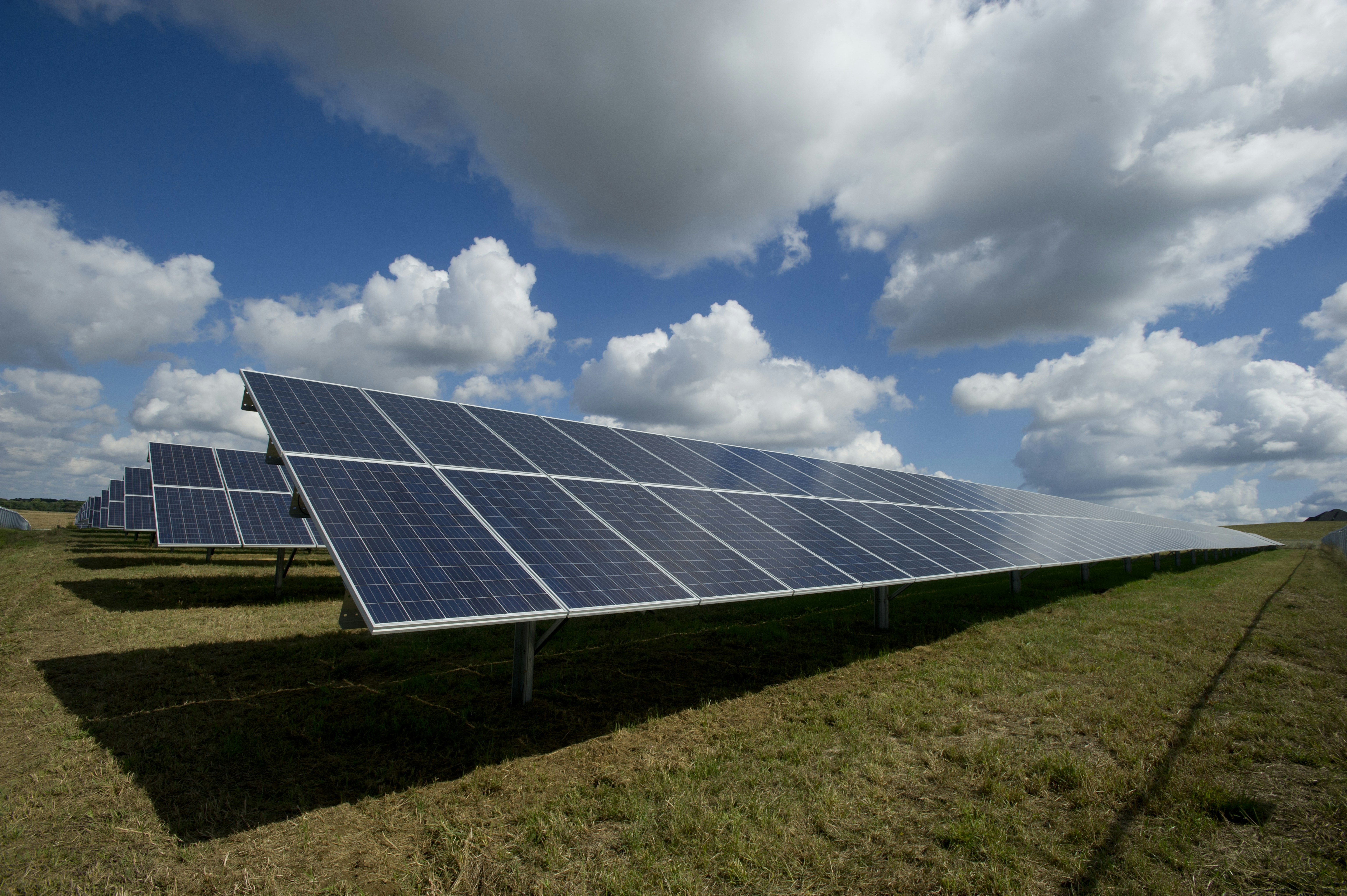
Image source: Getty Images/Germany renewable energy infographic
When Germany faced grid congestion threats in 2022, the BEE engineered a landmark solution through their Grid Integration Taskforce. By coordinating 47 utilities, technology providers, and regulators, they achieved:
- 15% reduction in curtailment losses through predictive AI models
- €2.3B in saved infrastructure investments
- Standardized grid-code compliance across 12 German states
This demonstrates how professional organizations transform technical pain points into systemic solutions. The BEE's 2023 Annual Report reveals 89% of members accelerated project timelines through shared compliance toolkits.
Accelerating Innovation Through Cross-Industry Collaboration
Why do organizations like France's Syndicat des Énergies Renouvelables consistently outperform solo R&D efforts? Their secret lies in structured knowledge exchange:
- Technology Working Groups: Monthly deep-dives on emerging innovations (e.g., perovskite stability challenges)
- Policy Sandboxes: Simulated regulatory environments for stress-testing new business models
- Skills Accelerators: Certified training bridging the solar-storage-electrification expertise gap
This ecosystem approach reduced time-to-market for floating solar solutions by 40% in Mediterranean markets. As Danish storage engineer Lars Jensen observes, "Our organization's battery degradation database saved my team 300+ testing hours annually."
Navigating Future Market Challenges
Professional organizations now confront three critical frontiers:
- Supply Chain Volatility: Developing collective procurement strategies to mitigate raw material shortages
- Cybersecurity: Creating unified protocols for smart grid vulnerability management
- Workforce Transition: Reskilling programs for fossil fuel professionals entering renewables
The International Renewable Energy Agency forecasts these challenges will require 70% greater cross-border collaboration by 2030. Organizations that master this will define our industry's next decade.
How to Maximize Your Professional Impact
Which collaboration frontier will your organization tackle first to accelerate the global energy transition?
 Inquiry
 Online Chat