


Unlock Energy Independence with PV Solar Battery Storage Solutions
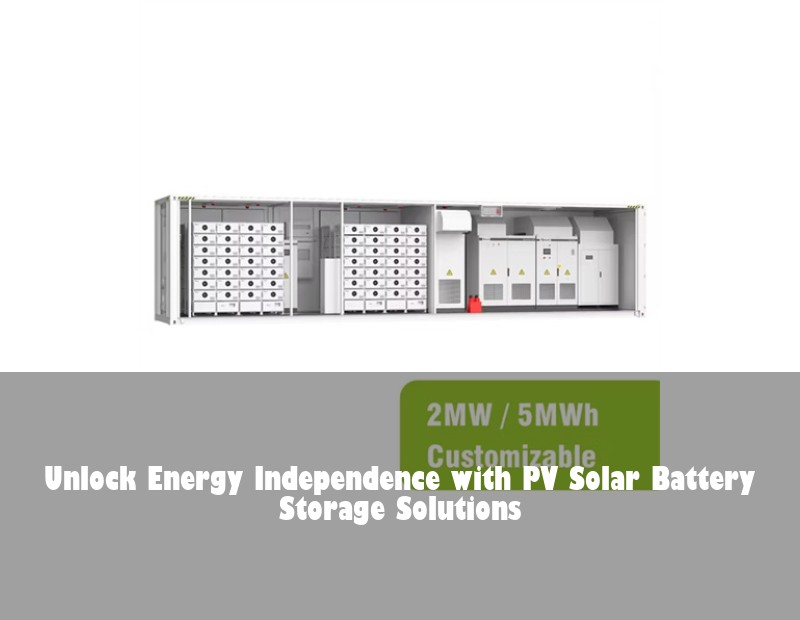
Have you noticed your solar panels sitting idle during peak energy hours? That untapped potential represents a transformative opportunity. Across European homes and businesses, PV solar battery storage systems are revolutionizing how we harness renewable energy. Imagine capturing sunshine at noon and powering your home at midnight—this isn't futuristic tech, it's today's reality. Let's explore how this technology reshapes energy economics.
Table of Contents
The Solar Energy Paradox: Sunshine When You Don't Need It
Europe's solar adoption is booming—over 40% of EU households now have solar panels. Yet here's the catch: solar production peaks at midday when consumption is lowest. Without storage, up to 60% of generated power gets fed back into the grid at low compensation rates. This creates what energy experts call the "duck curve" phenomenon:
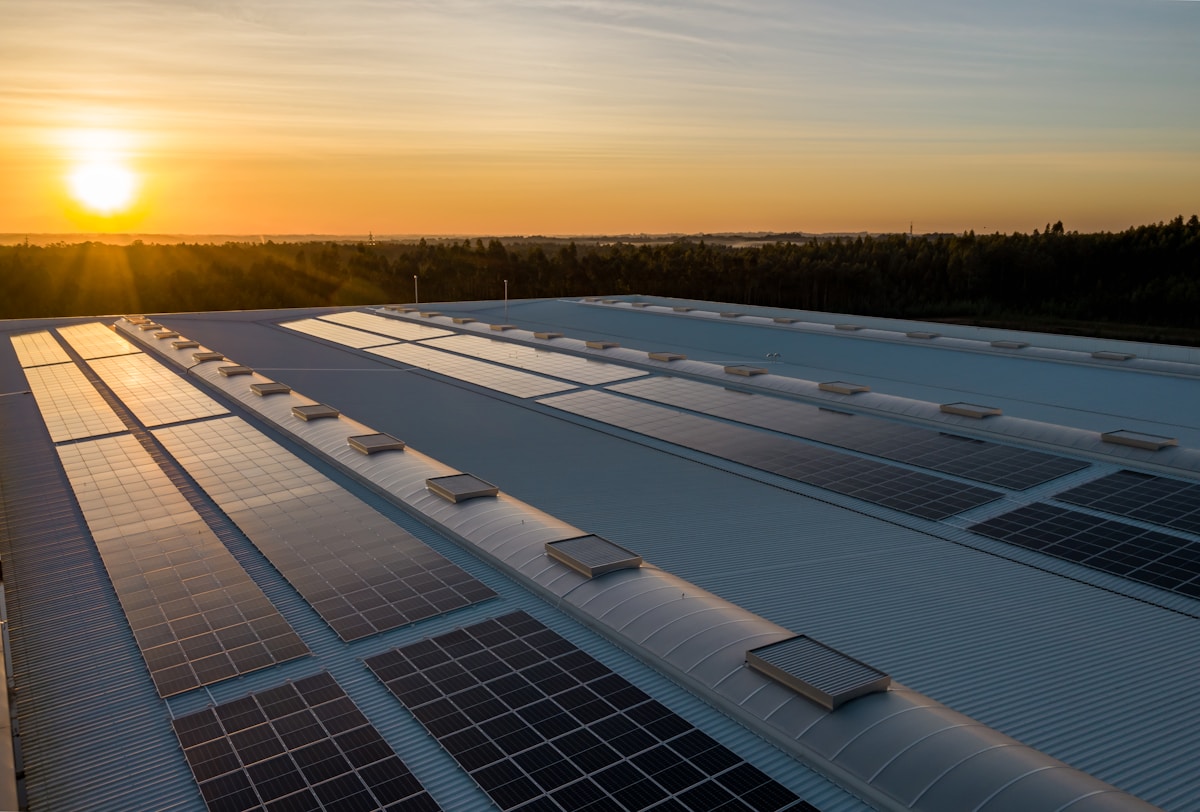
Source: Solar Energy Data Analysis (European Commission)
- Energy waste: Excess solar flows back to grid during low-demand periods
- Financial loss: Feed-in tariffs average €0.05/kWh while buying costs €0.28/kWh
- Grid strain: Utilities struggle with daytime surplus and evening deficits
Battery Storage: Your Personal Energy Reservoir
PV solar battery storage acts like a rechargeable "energy savings account". Lithium-ion systems (the most efficient for homes) capture surplus solar during daylight and discharge it during peak hours. Modern units like Solar Pro's PowerBank Series achieve 90% round-trip efficiency with smart features:
| Storage Feature | Benefit | User Impact |
|---|---|---|
| Time-Shifting | Store solar for evening use | Reduce grid dependence by 70-85% |
| Peak Shaving | Avoid high electricity rates | Cut bills during 4-8 PM price surges |
| Backup Power | Automatic switch during outages | 24-48hrs essential power guarantee |

Source: Residential Energy Storage Solutions Archive
German Success Story: Real-World Impact
Consider the Müller family in Bavaria, Germany. After installing a 10kWh solar battery in 2022:
- Self-consumption jumped from 35% to 92%
- Annual electricity costs reduced from €1,150 to €210
- CO₂ footprint decreased by 3.8 tons/year
Their system paid back in 6.2 years—faster than Germany's 8-year average due to 2023's energy price surge (energy-charts.info). Bavaria now hosts over 185,000 solar storage installations, collectively providing 1.2GW of decentralized grid support.
How Solar Storage Systems Actually Work
Modern PV solar battery storage isn't just a battery—it's an intelligent energy ecosystem. Here's how our systems operate:
- Solar Capture: Panels convert sunlight to DC electricity
- Smart Conversion: Inverters transform DC to AC for home use
- Priority Charging: Excess power charges batteries before exporting
- AI Management: Learns consumption patterns and weather forecasts
Advanced systems like Solar Pro's NeuroGrid™ platform even communicate with local utilities, automatically discharging during grid emergencies—earning homeowners compensation through VPP (Virtual Power Plant) programs.
Beyond Savings: Grid Stability & Carbon Impact
When aggregated, solar batteries become community assets. UK's Project ERIC demonstrated that clustered home storage:
- Reduces grid infrastructure costs by €400/household/year
- Cuts CO₂ by 12% more than solar-only systems
- Provides critical backup during extreme weather events
As Europe targets 45% renewable energy by 2030, storage transforms consumers into "prosumers"—both producing and managing energy (IRENA Report 2023).
Is Your Home Ready for Energy Autonomy?
With battery prices falling 18% annually and European incentives like Italy's Superbonus 110%, the equation tilts favorably. But how does your situation stack up? Ask yourself:
- Do your electricity bills show significant day/night rate differences?
- Does your region experience >1,500 annual sunshine hours?
- Are you planning to add EV charging in the next 3 years?
If you answered yes to any, your solar investment could work harder. What energy independence milestones would matter most for your household?
 Inquiry
 Online Chat