


Powering House with Solar Panels: Your Path to Energy Independence
Table of Contents
The Solar Revolution: Why Homes Are Switching
Your roof silently converting sunlight into electricity while you sip morning coffee. Across Europe, homeowners are embracing solar panels not just as eco-statement, but as smart financial infrastructure. With energy prices soaring 30% in EU households since 2021 (Eurostat), the shift from passive consumers to active producers is accelerating. But how does this translate to your home?
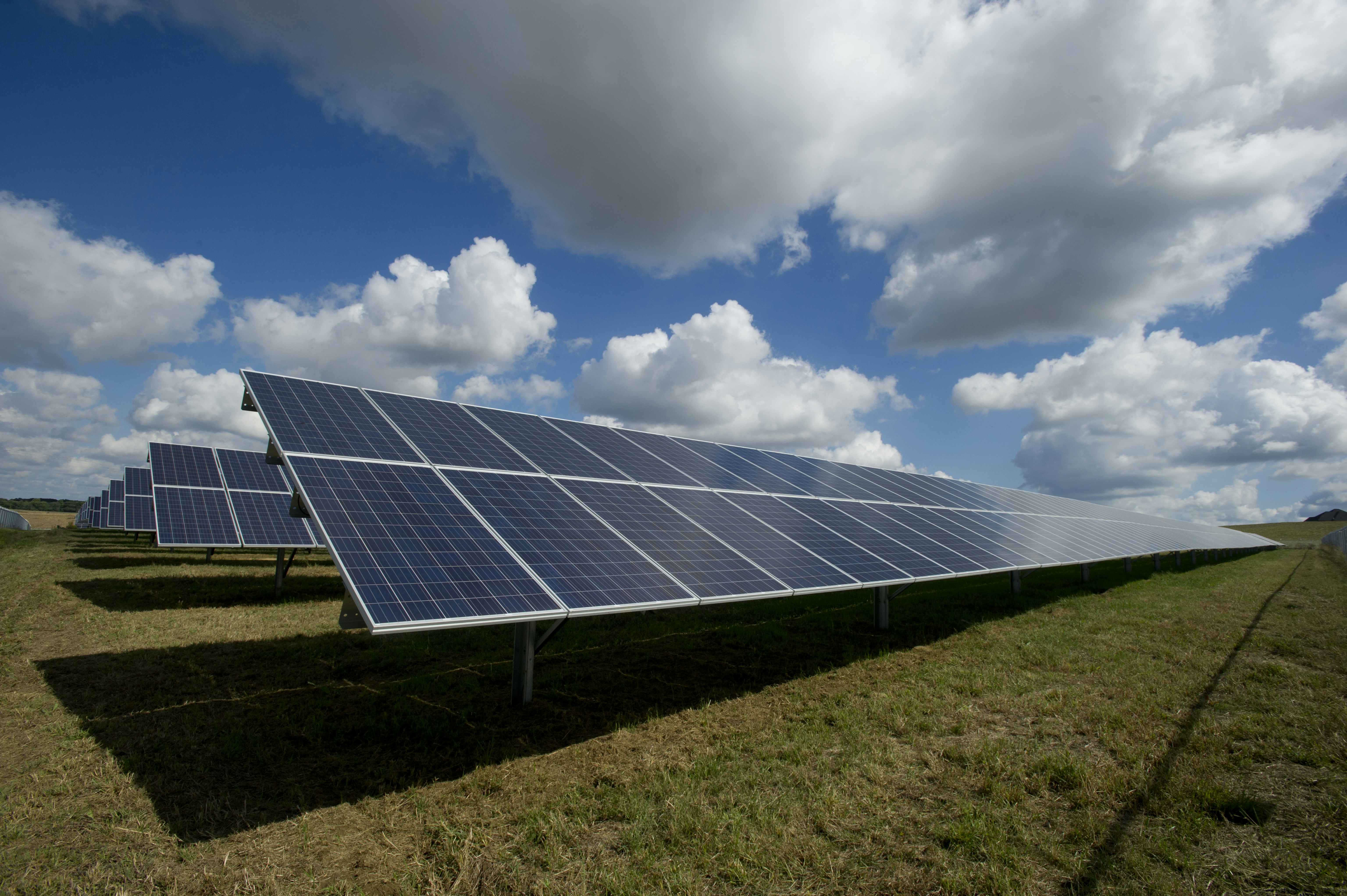
Image source: Unsplash / Licensed for commercial use
How Home Solar Systems Actually Work
Let's demystify the process. When sunlight hits photovoltaic (PV) cells, electrons get excited – literally! This creates direct current (DC) electricity, which an inverter converts to alternating current (AC) for your appliances. Any excess energy? That's where magic happens:
- Grid feedback: Sell surplus to utility companies
- Battery storage: Bank power for nighttime use
- Smart distribution: Prioritize high-consumption devices
Modern systems like SolarEdge or Enphase optimize every photon, achieving 22-25% efficiency rates – nearly double what panels delivered a decade ago.
Financial Benefits & European Incentives
Here's what surprises most homeowners: solar isn't an expense, but an investment with measurable ROI. Consider these numbers:
| Country | Avg. System Cost | Annual Savings | Payback Period |
|---|---|---|---|
| Germany | €12,000 | €1,400 | 8.5 years |
| France | €14,500 | €1,200 | 12 years |
| Spain | €10,800 | €1,100 | 9.8 years |
European incentives sweeten the deal:
- Germany's EEG 2023: €0.083/kWh feed-in tariff
- Italy's Superbonus 110%: VAT exemptions + tax credits
- UK's Smart Export Guarantee: Mandatory utility payments
Real-World Success: A Berlin Family's Story
Meet the Hoffmanns: Two parents, two teens, and a 1920s terrace house. Before solar: €1,800/year energy bills. Their solution:
- 6.4kW solar array (18 panels)
- 10kWh Tesla Powerwall
- Smart energy diverter for water heating
Results after 18 months? 82% grid independence, €1,150 annual savings, and unexpected benefits like charging their EV for just €0.03/km. "Our system paid for itself during the 2022 energy crisis," says Klaus Hoffmann. "Now we're energy-proof."

Image source: Unsplash / Licensed for commercial use
Designing Your Optimal Solar Setup
Your roof isn't passive real estate – it's an energy factory. Key considerations:
- Orientation: South-facing roofs yield 20% more than east-west
- Shading: Trees? Chimneys? Optimizers can mitigate losses
- Consumption patterns: Night owls need batteries; day users need less storage
Pro tip: Hybrid inverters (like those from Huawei) future-proof your system for battery additions later.
Why Battery Storage Changes Everything
Think batteries are optional? In 2024, they're becoming essential. With time-of-use tariffs spreading across Europe, storing solar energy for peak hours boosts savings by 40%. Modern lithium iron phosphate (LFP) batteries offer:
- 10-15 year warranties
- 90% depth of discharge
- Seamless backup during outages
As Jacob Novikov, a Copenhagen energy consultant notes: "Batteries turn solar from supplemental to strategic."
What's Next in Home Solar Technology?
The innovation curve is accelerating. Perovskite solar cells (25.7% efficiency in lab tests) promise ultra-thin, flexible panels. Digital twins now simulate system performance before installation. And bidirectional EV charging? Your future car could power your home during blackouts. The International Energy Agency projects residential solar to grow 200% globally by 2030 – are you positioning your home to benefit?
 Inquiry
 Online Chat