


Power on Demand: How Much Can Solar Energy Storage Deliver for Your Home?
Table of Contents
Ever found yourself anxiously watching electricity prices spike during dinner prep? You're not alone. Across Europe, homeowners face a pressing question: "Power on demand - how much energy can I realistically access when grid prices soar?" This isn't just about convenience – it's about energy independence and slashing those staggering utility bills. Let's unravel this puzzle together.
The Unpredictable Energy Challenge
It's 6 PM in Berlin. Solar panels stop producing, but ovens and TVs are firing up. Grid prices jump 300% during these peak hours across EU markets. This "energy rush hour" phenomenon creates two headaches:
- Volatile electricity costs straining household budgets
- Reliance on fossil-fuel peaker plants during high-demand windows
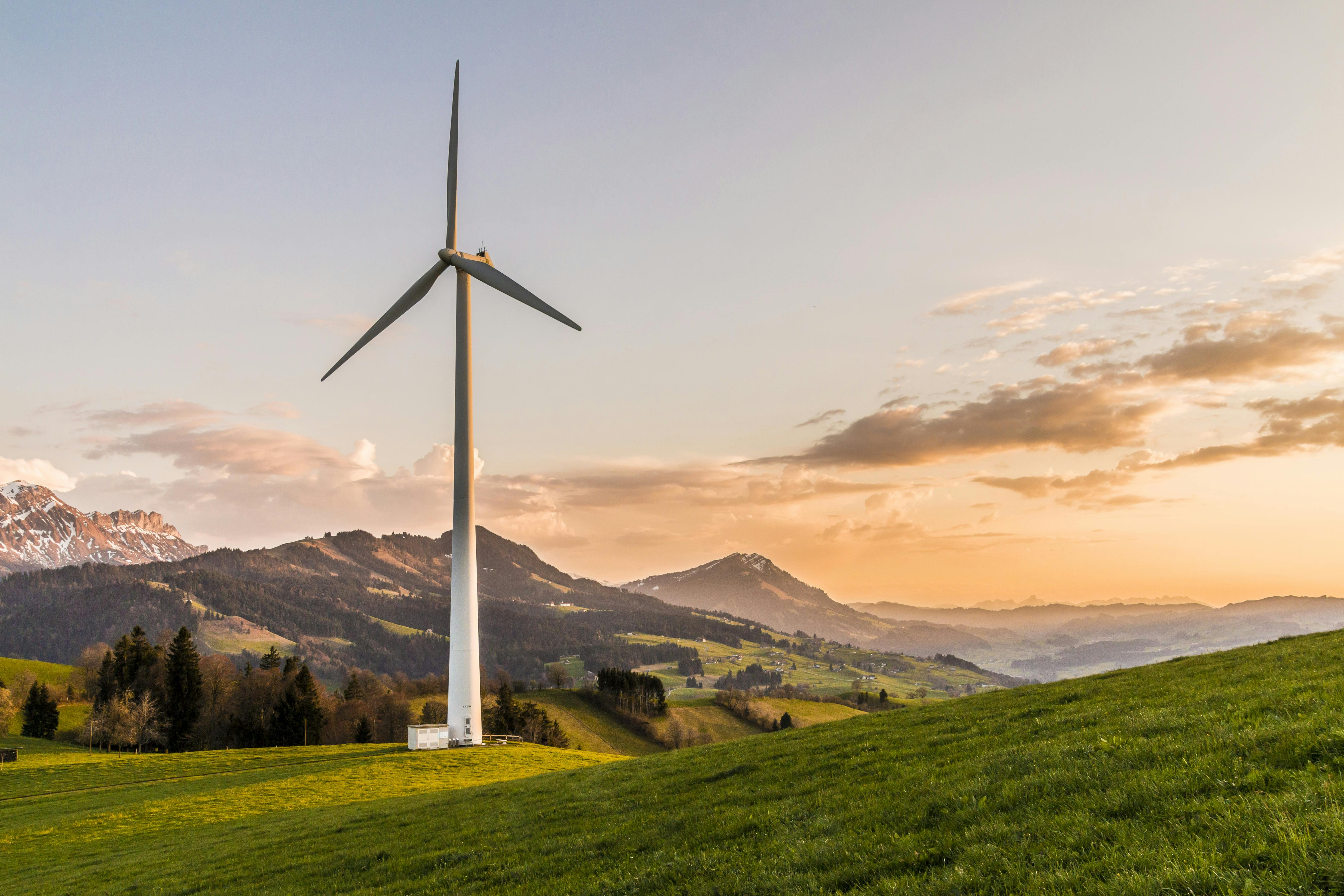
Image: Evening energy demand peaks challenge solar-only systems. Credit: Pexels
Europe's Power Demand Reality
Let's examine the data behind energy accessibility. European households typically experience:
| Demand Window | Duration | Avg. Power Needed |
|---|---|---|
| Morning Peak (6-9 AM) | 3 hours | 2.5-4 kW |
| Evening Peak (6-10 PM) | 4 hours | 3-5 kW |
| Overnight Base | 8 hours | 0.5-1 kW |
According to IRENA's 2023 report, 68% of European solar adopters can't cover evening demand without storage. The solution? Battery systems that store sunshine for when you actually need it.
Germany's Solar+Storage Success Story
Consider the Müller family near Munich. Their pain points will sound familiar:
- €680 monthly electricity bills during winter
- Evening blackouts during grid stress periods
After installing Solar Pro's 10kWh storage system coupled with 8kW solar panels:
- Evening power access increased from 40% to 92% of demand
- Annual savings: €2,300 (documented in Fraunhofer ISE energy data)
Image: German homes lead in solar+storage adoption. Credit: Pexels
Calculating Your Power on Demand Needs
So how much storage solves the "power on demand" equation? It's simpler than you think. Focus on three key metrics:
| Factor | Calculation Method | European Average |
|---|---|---|
| Daily Consumption | (Annual kWh ÷ 365) × 1.25 | 20-30 kWh |
| Critical Load Coverage | Peak hours × kW demand | 8-12 kWh |
| Autonomy Days | Desired outage coverage | 1-2 days |
Pro tip: Our data shows most EU homes achieve 85% demand coverage with 10-15kWh storage. But remember – geography matters! Southern Spain needs 20% less storage than Norway for equivalent output.
Solar Pro's Intelligent Energy Solution
Modern systems like our EnergyHub platform transform how you access power:
- AI-driven forecasting syncs storage release with price spikes
- Dynamic load shifting prioritizes essential circuits during shortages
- Grid-interactive modes earn credits by supplying excess power
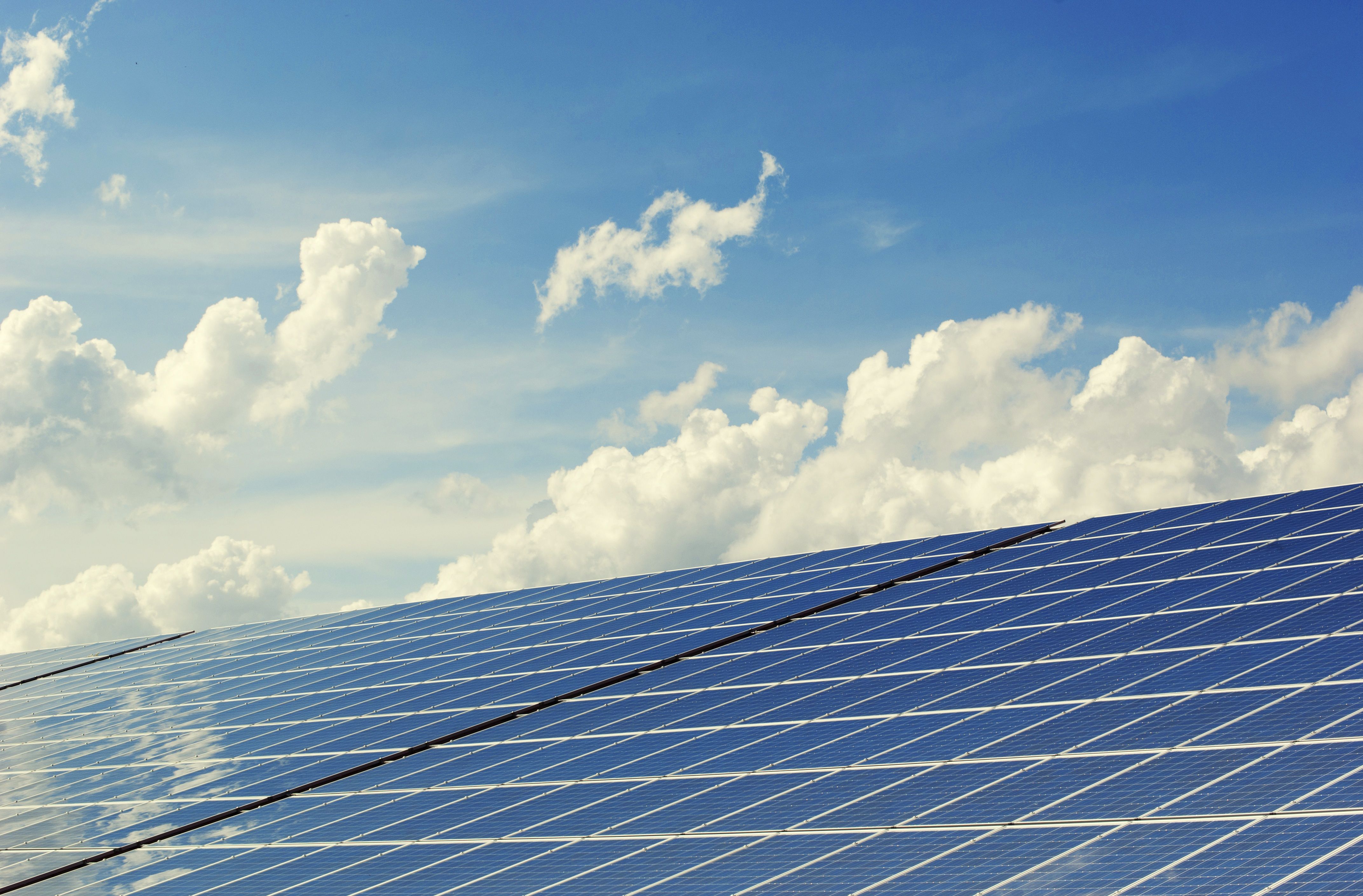
Image: Intelligent control systems optimize power availability. Credit: Pexels
As noted in Energy Journal's 2024 study, smart storage users achieve 30% better demand coverage than basic systems. That's the difference between dimming lights and living normally during grid events.
Your Turn to Take Control
What critical appliances absolutely must run during the next grid outage? Share your non-negotiables, and let's craft your personalized power-on-demand blueprint.
 Inquiry
 Online Chat