


On Grid vs Off Grid vs Hybrid Solar: Finding Your Perfect Energy Solution
Table of Contents
- The Solar Decision Every Homeowner Faces
- Understanding On-Grid Solar Systems
- Exploring Off-Grid Solar Systems
- The Hybrid Solar Solution: Best of Both Worlds?
- Case Study: Real-World Application in Germany
- Comparative Analysis: On-Grid vs Off-Grid vs Hybrid
- Making Your Decision: Key Considerations
- Your Next Step Toward Energy Independence
The Solar Decision Every Homeowner Faces
You're considering solar panels for your home, but suddenly you're faced with jargon like "on-grid," "off-grid," and "hybrid" systems. Which one truly fits your energy needs and lifestyle? Across Europe, homeowners are navigating this exact crossroads as energy prices fluctuate and climate awareness grows. The choice between on grid vs off grid vs hybrid solar isn't just technical – it impacts your energy bills, carbon footprint, and even your resilience during power outages. Let's demystify these options together.
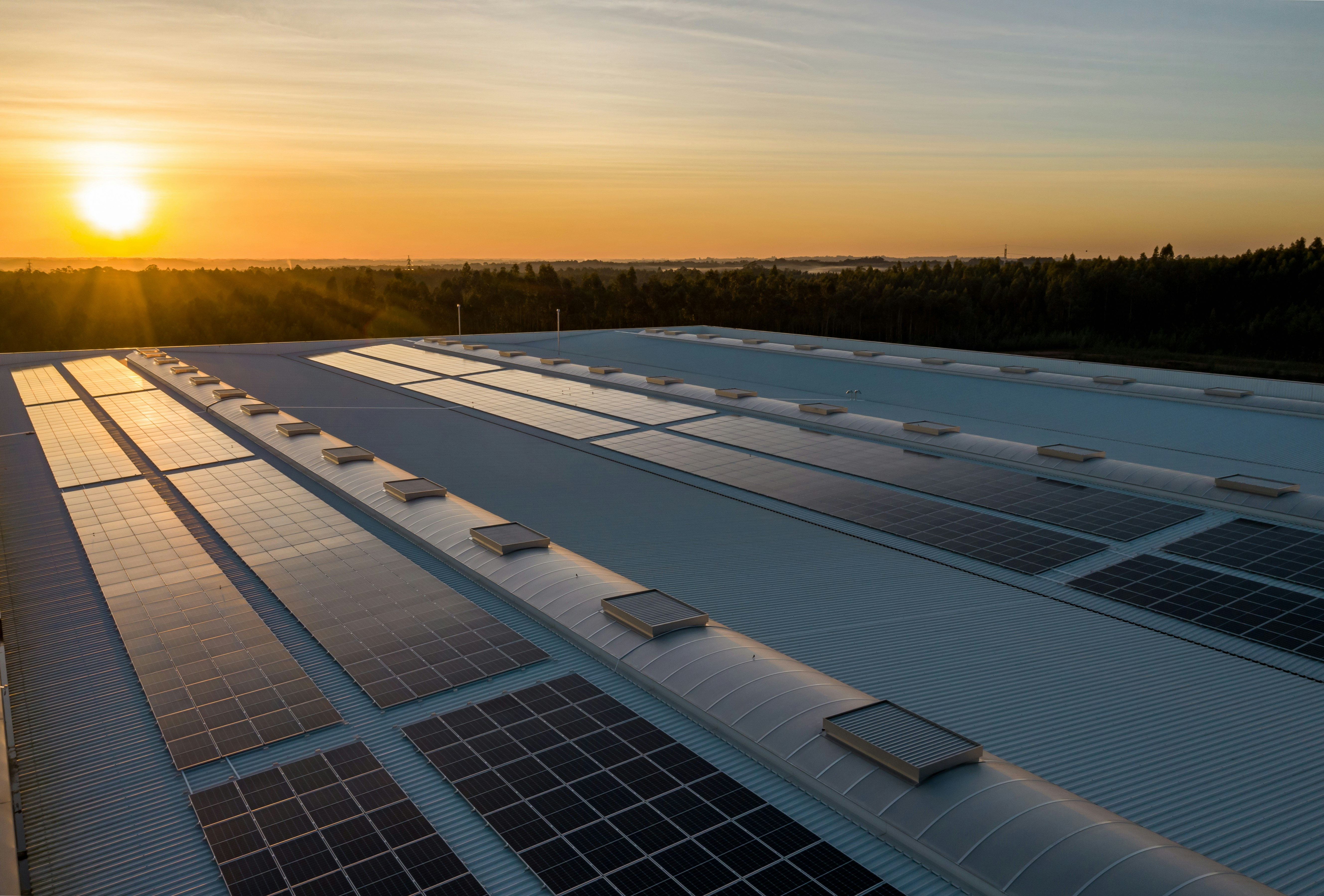
Source: Professional solar installation in Amsterdam. Credit: RenewableEnergyImages.eu
Understanding On-Grid Solar Systems
On-grid solar systems (grid-tied systems) connect directly to your local utility grid. When your panels produce excess energy, it flows back to the grid, often earning you credits through net metering programs. On cloudy days or at night, you seamlessly draw power from the grid. It's like having a symbiotic relationship with your utility company.
Why Europeans Choose On-Grid Solutions
- Cost Efficiency: Lowest upfront costs (typically 20-30% cheaper than hybrid systems)
- Simplicity: No batteries needed = minimal maintenance
- Profit Potential: Germany's EEG law guarantees feed-in tariffs for 20 years
But there's a catch: During grid outages, your system automatically shuts off for safety. As one homeowner in Barcelona told us: "I save €800 yearly on bills, but when storms hit, I'm in the dark like everyone else."
Exploring Off-Grid Solar Systems
Off-grid systems are energy independence incarnate. They operate completely disconnected from utility grids, relying on solar panels coupled with battery banks for energy storage. Any excess power charges your batteries; any deficit draws from them. It's a self-contained energy ecosystem.
The Reality of Energy Independence
- Battery Costs: Lithium-ion prices dropped 89% since 2010 (BloombergNEF)
- Design Criticality: Systems must be oversized to handle winter shortages (typically 150-200% of summer needs)
- Ideal For: Remote Alpine cabins, islands like Greece's Cyclades, or eco-communities
Consider this: A Swedish off-grid installation requires approximately 30% more panels than a comparable German grid-tied system to overcome winter darkness. That's the price of true autonomy.
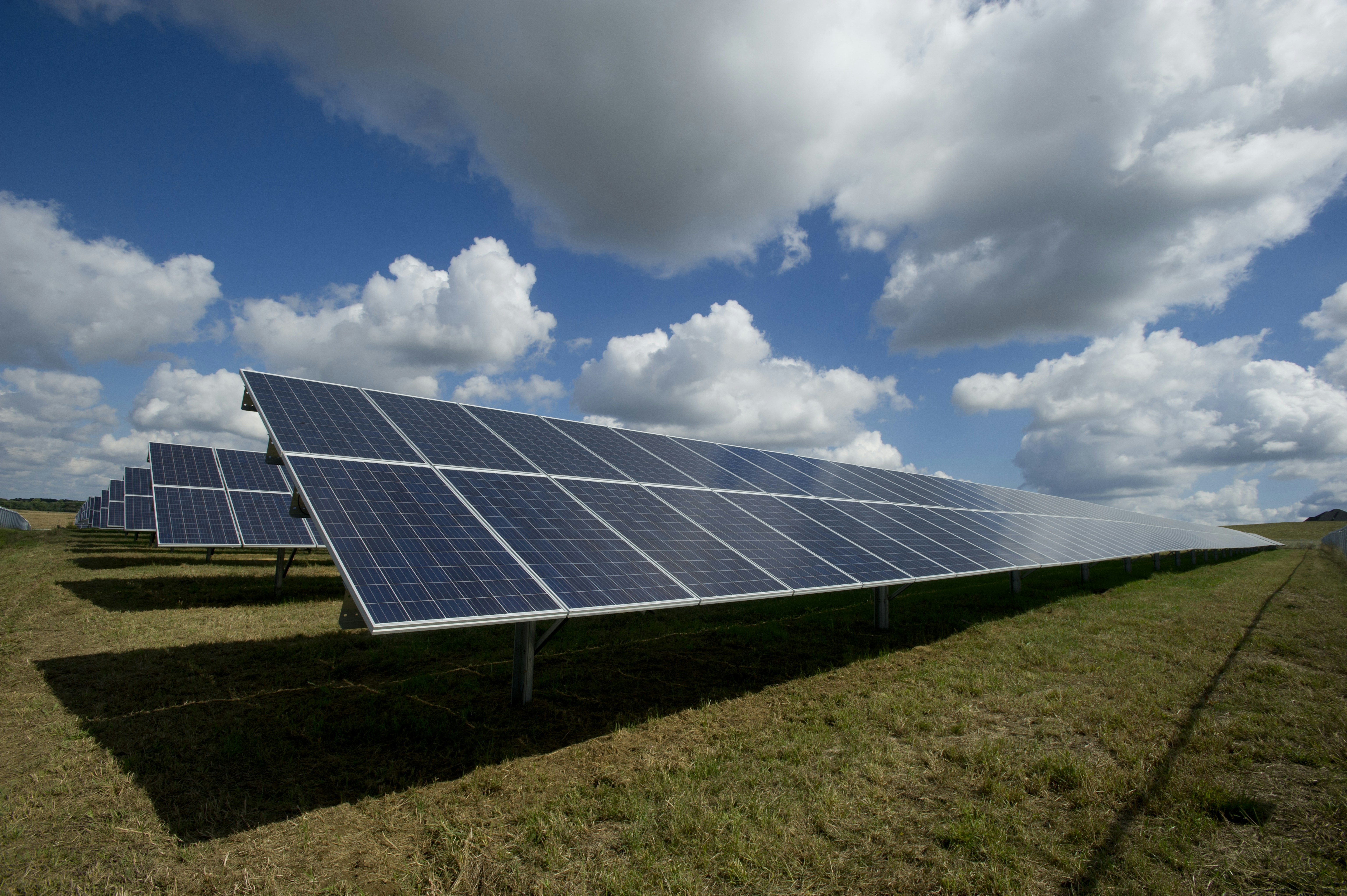
Source: Off-grid battery storage in Norwegian cabin. Credit: NordicSolarSolutions.com
The Hybrid Solar Solution: Best of Both Worlds?
Hybrid solar systems intelligently blend the previous two approaches. They remain connected to the grid but incorporate battery storage. During sunny days, you power your home and charge batteries. At night or during outages, batteries provide backup. When batteries deplete, the grid takes over – all managed automatically.
The European Hybrid Surge
Why are hybrids gaining traction? Look at the data:
- UK hybrid installations increased by 210% since 2020 (Solar Power Portal)
- Average payback period dropped to 7-9 years due to rising electricity prices
- New inverters like SolarEdge Energy Hub enable seamless grid/battery switching
As energy consultant Elara Schmidt notes: "Hybrids transform solar from bill-saver to resilience tool. For many, that's worth the 15-20% premium over on-grid systems."
Case Study: Real-World Application in Germany
Let's examine the Müller residence near Munich – a perfect European case study. Their 2022 hybrid installation features:
- 9.8kW solar array (28 panels)
- 13.5kWh lithium-ion battery
- Hybrid inverter with grid interaction capabilities
12-Month Performance Data
| Metric | Result | Vs German Average |
|---|---|---|
| Energy Self-Consumption | 78% | +32% |
| Grid Import Reduction | 86% | +41% |
| Outage Protection | 42 hours | Full backup |
| Annual Savings | €1,920 | 2.4x higher |
During December 2022's "storm Axel" blackout, their system automatically powered essentials for 38 hours. As Herr Müller stated: "The peace of mind during energy crises is immeasurable." (Source: Energy-Charts.info)
Comparative Analysis: On-Grid vs Off-Grid vs Hybrid
| Feature | On-Grid | Off-Grid | Hybrid |
|---|---|---|---|
| Grid Connection | Required | None | Optional |
| Battery Storage | No | Required | Recommended |
| Power During Outages | No | Yes | Yes |
| Upfront Cost (avg. 8kW system) | €12,000-€16,000 | €25,000-€35,000 | €18,000-€24,000 |
| Best For | Urban areas with stable grids | Remote locations | Suburbs/areas with frequent outages |
Making Your Decision: Key Considerations
Choosing between on grid vs off grid vs hybrid solar requires evaluating four pillars:
- Grid Reliability: How often do outages occur in your region? (Check local outage maps)
- Energy Goals: Pure savings vs backup vs complete independence?
- Financial Factors: Local incentives like Italy's Superbonus 110% dramatically alter economics
- Physical Space: Battery cabinets require 0.5-1m² indoor/outdoor area
Remember: There's no universal "best" solution. A Paris apartment dweller needs fundamentally different technology than a Norwegian fjord homesteader.
Your Next Step Toward Energy Independence
As you ponder your solar journey, consider this: Which energy scenario keeps you awake at night – rising electricity bills, blackout vulnerabilities, or carbon footprint concerns? The beauty of modern solar solutions is that each addresses these differently. Why not share your top energy priority with our Solar Pro experts? We'll help match your needs to the perfect system configuration. What's your biggest hesitation about going solar today?
 Inquiry
 Online Chat