


On Grid, Off Grid e Híbrido: Your Solar Energy Pathway to Resilience
Table of Contents
The Solar Revolution: Three Pathways Emerge
Your rooftop quietly powering your home while feeding excess energy back to the grid. Or imagine complete energy independence during a storm-induced blackout. These scenarios represent the on grid, off grid, and híbrido solar solutions transforming Europe's energy landscape. As electricity prices fluctuate and climate concerns grow, homeowners face a critical question: Which system aligns with your energy goals?
Image: Residential solar adoption in Europe (Source: Pexels)
On Grid vs Off Grid vs Híbrido: Technical Breakdown
Let's demystify these systems at their core. Think of them as different approaches to energy management:
| System Type | Key Components | Energy Flow | Ideal For |
|---|---|---|---|
| On Grid | Solar panels + Grid-tie inverter | Grid ↔ Home (net metering) | Urban areas with reliable grid |
| Off Grid | Panels + Charge controller + Batteries + Off-grid inverter | Solar → Batteries → Home (isolated) | Remote locations or energy autonomy seekers |
| Híbrido | Panels + Hybrid inverter + Battery storage + Grid connection | Solar ↔ Batteries ↔ Grid ↔ Home (intelligent switching) | Balancing self-consumption and backup security |
Hybrid systems deserve special attention. Their smart inverters continuously monitor energy flows, making real-time decisions like:
- Charging batteries during low-tariff hours
- Prioritizing solar consumption during peak pricing
- Seamlessly switching to backup during outages
European Energy Shifts: Data Reveals the Trend
Europe's solar adoption tells a compelling story. While grid-connected systems dominate installations, hybrid configurations are growing at 35% annually according to SolarPower Europe's 2023 report. Consider these regional patterns:
- Germany: 55% of new residential installations now include battery storage
- Italy: Energy bill savings increase from 40% (on-grid) to 80% (hybrid) for average households
- UK: Hybrid system payback periods dropped below 7 years after 2022 energy crisis
Image: Energy management in hybrid systems (Source: Pexels)
Real-World Case: Hybrid Transformation in Andalusia
Meet the Rodríguez family near Seville. Their 9.6kW hybrid installation replaced an aging on-grid system in 2022. Here's what changed:
- Energy self-sufficiency jumped from 45% to 92%
- Grid dependency reduced to 8 hours monthly (vs daily previously)
- Annual savings: €1,800 despite Spain's volatile electricity market
"During last summer's heatwave," Maria Rodríguez recalls, "while neighbors lost power, our batteries kept the air conditioning running. That security is priceless." Their system configuration:
- 24x 400W bifacial panels
- 15kWh lithium-iron-phosphate storage
- Smart inverter with storm-guard mode
Choosing Your Solar Identity: A Practical Guide
As a solar expert, I'm often asked: "Which system fits my situation?" Consider these key factors:
Energy Profile Analysis
Track your consumption patterns for 30 days. Notice when you use energy and how much. Homes with:
- Daytime consumption peaks → Benefit most from simple on-grid systems
- Evening energy demand → Require battery storage (hybrid/off-grid)
- Critical medical equipment → Need off-grid reliability layers
Financial Considerations
While hybrid systems cost 30-40% more upfront than on-grid, their ROI profile changes the equation. Current pricing in Europe:
- On-grid: €1.2-1.8/W installed
- Hybrid: €1.8-2.5/W (including storage)
- Off-grid: €2.5-4.0/W (larger battery banks)
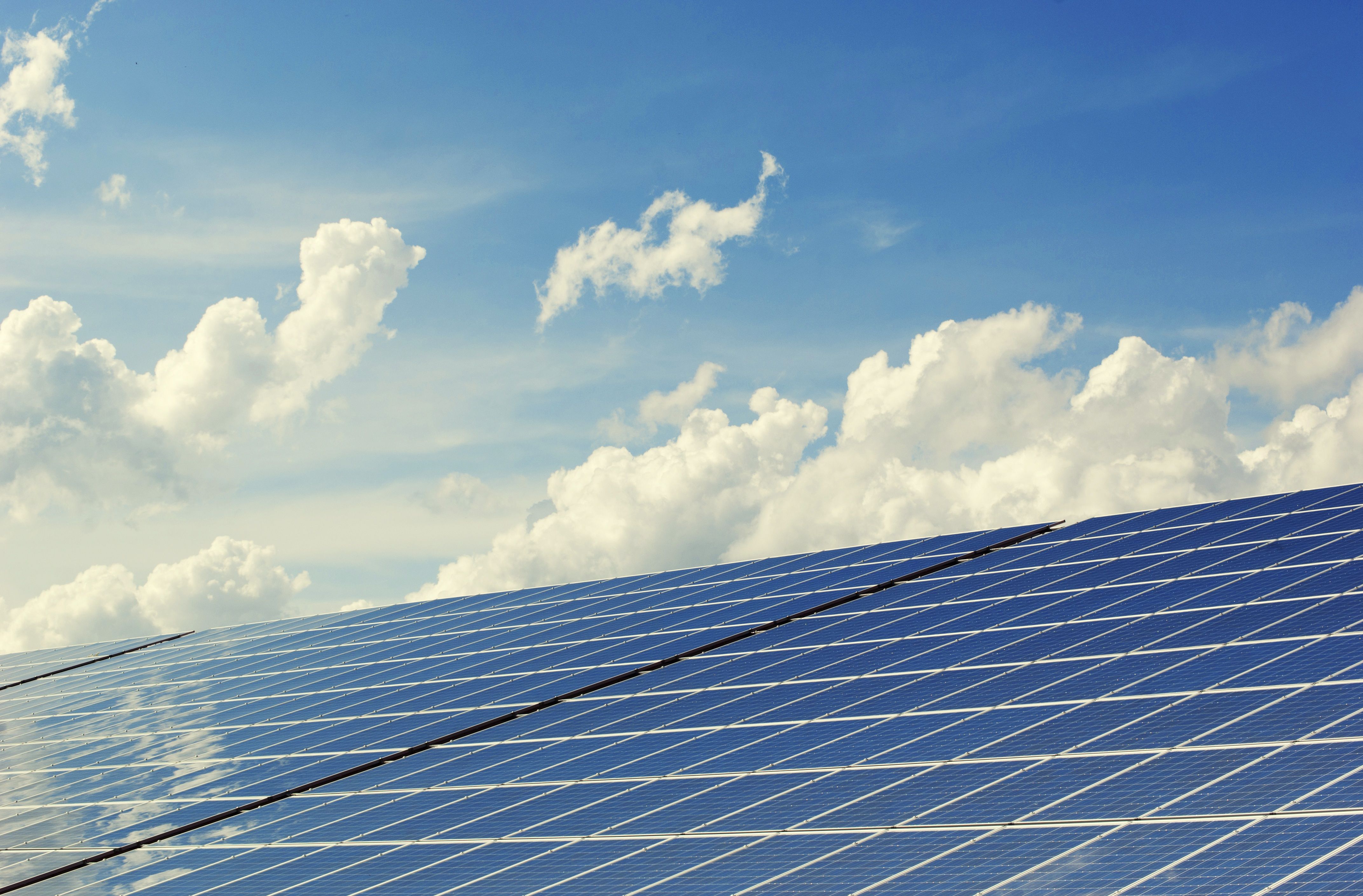
Image: Professional solar installation (Source: Pexels)
Future-Proofing Essentials
Ask your installer these critical questions:
1. Can my system integrate additional storage later?
2. What's the battery's expected degradation at year 10?
3. How does the inverter handle grid code changes?
Remember, choosing between on grid, off grid e híbrido isn't just technical—it's about your energy philosophy. Are you optimizing for maximum savings today? Or building resilience for tomorrow's uncertainties?
What energy independence level would fundamentally change your relationship with power?
 Inquiry
 Online Chat