


Nulleinspeisung mit Speicher: Unlocking Energy Freedom Across Europe
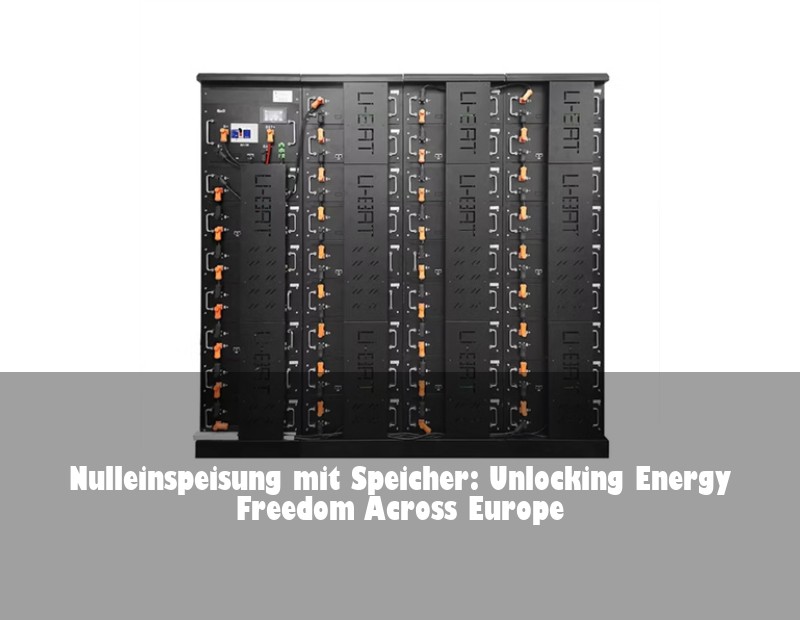
Table of Contents
- The Rising Challenge of Grid Limitations
- Understanding Nulleinspeisung: Beyond Feed-in Tariffs
- The Power of Storage in Nulleinspeisung
- Case Study: A German Family's Journey to Energy Independence
- Expert Insights: Sizing and Implementation Strategies
- The Future of Energy Independence in Europe
- Your Energy, Your Rules: What's Possible?
The Rising Challenge of Grid Limitations
Ever noticed how European solar installations sometimes go "silent"? Across Germany, Spain, and Italy, grid operators are increasingly restricting PV feed-in during peak production hours. Why? Our aging infrastructure simply can't handle the solar tsunami. In 2023 alone, Bavaria reported over 1,200 GWh of potential solar energy wasted due to grid congestion. That's enough to power 400,000 homes for a month! What if I told you there's a smarter way to keep every watt you produce?
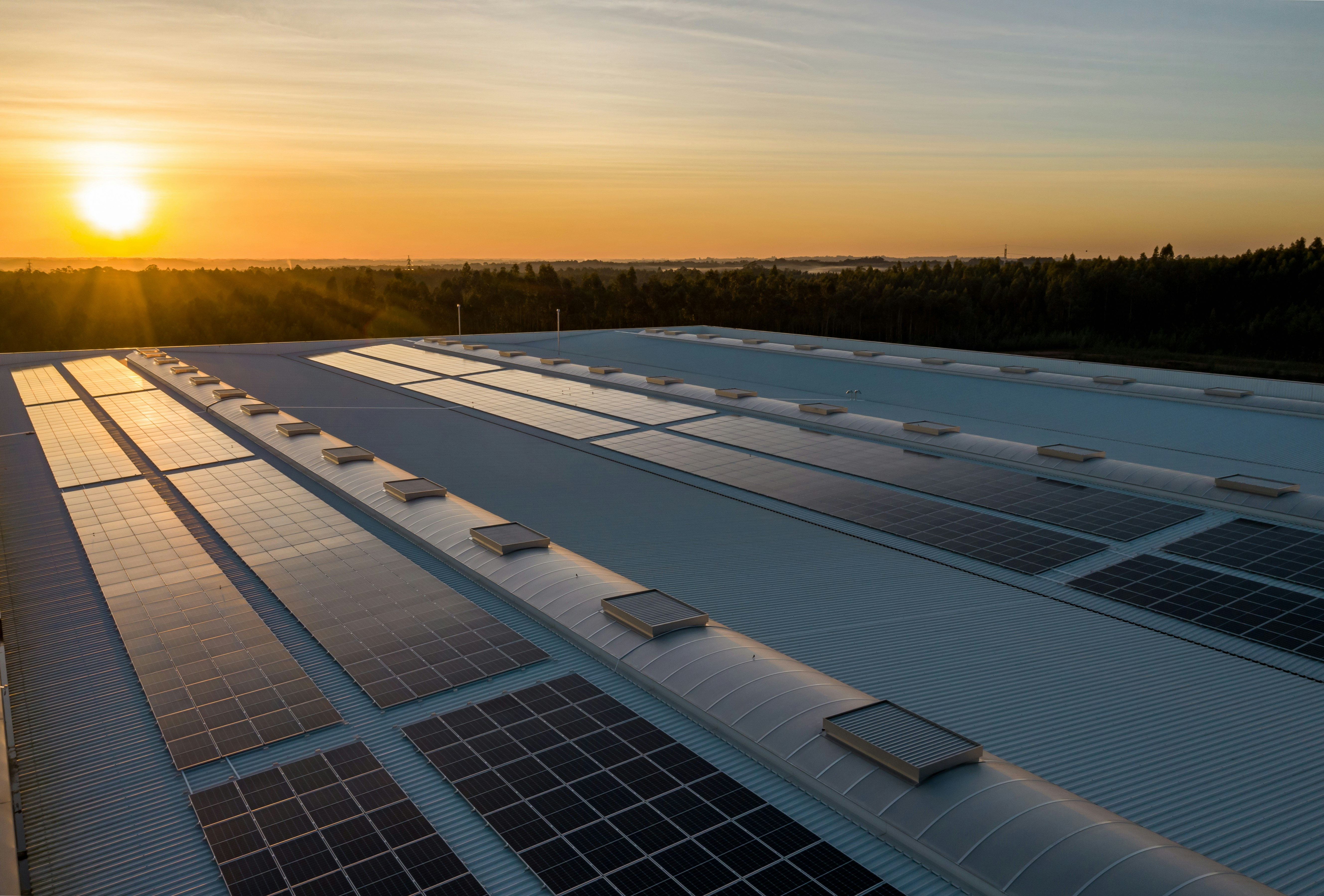
Image source: Unsplash/Grid Infrastructure
Understanding Nulleinspeisung: Beyond Feed-in Tariffs
Nulleinspeisung (zero feed-in) isn't just a technical term—it's a revolution in energy management. Unlike traditional setups, it prioritizes self-consumption over exporting surplus to the grid. Here's why Europeans are shifting:
- Economic Sense: Feed-in tariffs dropped 68% since 2010 (Bundesnetzagentur data)
- Grid Relief: Reduces strain during midday production peaks
- Energy Resilience: Creates personal "energy islands" during outages
The Power of Storage in Nulleinspeisung
Without storage, Nulleinspeisung is like a bucket with holes. Modern lithium-ion systems transform the equation:
| Battery Type | Efficiency | Cycle Life | ROI Period (EU avg.) |
|---|---|---|---|
| LFP (LiFePO4) | 95-98% | 6,000+ cycles | 6-8 years |
| NMC | 90-95% | 4,000 cycles | 7-9 years |
Our Solar Pro systems achieve 24/7 self-sufficiency by intelligently shifting energy:
- Solar charges batteries during production peaks
- Household loads run directly from PV or batteries
- Grid connection acts as backup only
Case Study: A German Family's Journey to Energy Independence
Meet the Hoffmanns near Munich. Facing frequent feed-in restrictions, they installed a 10kW Solar Pro Hybrid system with 15kWh LFP storage. The results?
- 98% self-consumption (vs. 35% pre-storage)
- Grid exports reduced to near-zero
- €1,200 annual savings despite Germany's 2023 grid fee hikes

Image source: Pexels/Residential Solar Installation
Expert Insights: Sizing and Implementation Strategies
"When implementing Nulleinspeisung mit Speicher, oversizing is costlier than undersizing," says Solar Pro's CTO, Dr. Elena Müller. Our proprietary algorithm calculates your sweet spot based on:
- Historic consumption patterns
- Local weather volatility indexes
- Seasonal irradiance fluctuations
For most EU households, we recommend a 1:1.5 PV-to-storage ratio. Curious how your home compares? The IEA's 2023 storage report confirms this maximizes ROI.
The Future of Energy Independence in Europe
With Spain planning 5GW of new storage by 2027 and Italy's Superbonus 110% incentives, the trend is accelerating. But beyond economics, it's about energy democracy. Imagine controlling your power while:
- Participating in virtual power plants during grid stress
- Earning from grid-stabilization services
- Creating EV charging hubs using surplus solar
As the SolarPower Europe roadmap shows, storage isn't optional—it's foundational.
Your Energy, Your Rules: What's Possible?
Now that you've seen how German families are flipping the energy script, what would change if your solar system never wasted a single photon? Could your business become a grid resilience anchor? Let's transform that question into reality—how much freedom do you want to harvest?
 Inquiry
 Online Chat