


The Ultimate Guide to Hybrid Solar ESS for Home: Powering Your Future
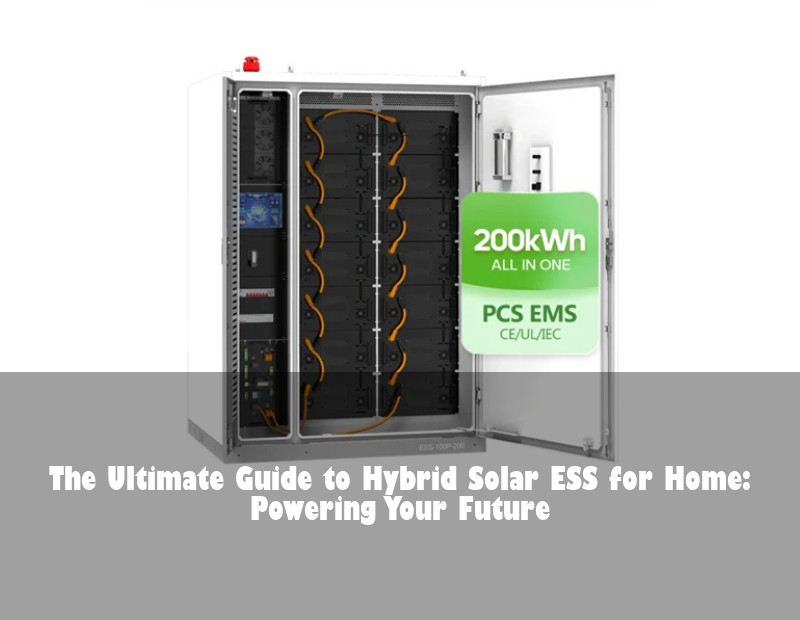
Table of Contents
- The Energy Crisis: Why European Homes Need Solutions
- What is a Hybrid Solar ESS for Home?
- European Data: Adoption Trends & Savings
- Real-World Case: The Müller Family in Bavaria
- Choosing Your System: 5 Key Considerations
- Future Innovations in Home Energy Storage
- Your Energy Independence Journey Starts Here
The Energy Crisis: Why European Homes Need Solutions
It's January in Berlin, and energy bills arrive 40% higher than last winter. Across Europe, 38% of households report energy poverty concerns according to EU Energy Poverty Observatory data. Volatile prices and grid instability aren't abstract concepts – they're kitchen-table conversations. This pain point creates a clear opportunity: What if your home could generate, store, and manage electricity independently?
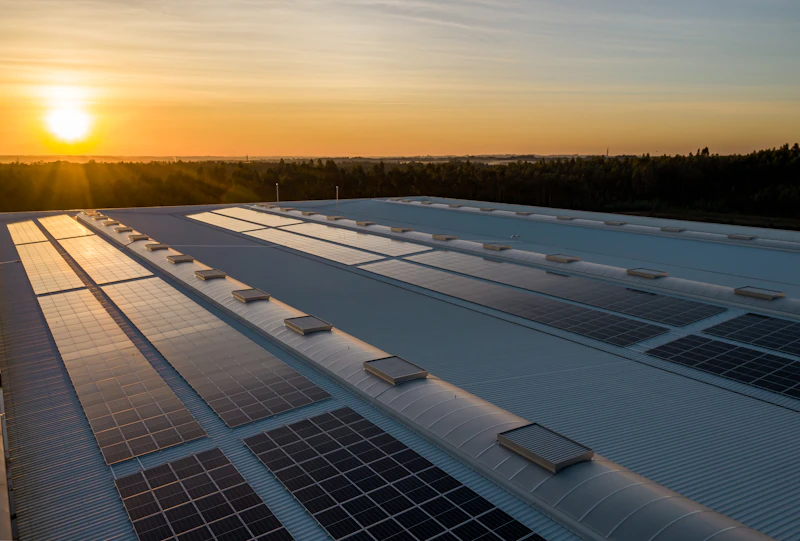 Image source: Unsplash - Energy-efficient home in winter
What is a Hybrid Solar ESS for Home?
Unlike traditional setups, a hybrid solar ESS (Energy Storage System) intelligently integrates three components:
- Solar Panels: Convert sunlight into DC electricity
- Bidirectional Inverter: Manages AC/DC conversion and grid interaction
- Lithium Batteries: Stores excess energy for nighttime/cloudy days
Here's the magic: When grid prices peak at €0.45/kWh in London, your system automatically switches to battery power. During surplus, it sells energy back to the grid. It's like having a personal energy trader working 24/7!
The Intelligent Energy Flow
| Time | Energy Source | Action |
|---|---|---|
| Day (Sunny) | Solar Panels | Power home + charge batteries |
| Day (Cloudy) | Batteries + Solar | Seamless transition |
| Night (Peak Rates) | Batteries | Zero grid consumption |
| Night (Off-Peak) | Grid (Optional) | Charge batteries cheaply |
European Data: Adoption Trends & Savings
Europe leads the global hybrid ESS market, with installations growing 89% YoY (SolarPower Europe Report 2023). Consider these compelling numbers:
- Average ROI period: 6-8 years (down from 12+ in 2019)
- Self-sufficiency rate: 60-85% for typical households
- Emergency backup: 12-48hrs during blackouts
Germany's Fraunhofer Institute confirms: Homes with hybrid ESS reduce annual grid dependence by 2.4 MWh on average. That's like eliminating a small car's carbon footprint!
Real-World Case: The Müller Family in Bavaria
Meet the Müllers: A family of four in Munich who installed a 10kW hybrid system in 2022. Their setup included:
- 28 solar panels (9.8 kWp)
- 15 kWh lithium battery storage
- Smart energy manager
12-month results:
| Metric | Pre-Installation | Post-Installation |
|---|---|---|
| Electricity Bills | €2,100/year | €290/year |
| Grid Consumption | 100% | 22% |
| CO2 Reduction | 4.8 tons | 3.8 tons saved |
"During December's blackout," says Hans Müller, "our Christmas lights stayed on while neighbors used candles. Our system paid for itself in 5 years."
Choosing Your System: 5 Key Considerations
1. Battery Chemistry Matters
LFP (LiFePO4) batteries dominate European markets – safer and longer-lasting than older NMC types. Look for 10+ year warranties.
2. Scalability is Crucial
Can your system expand if you buy an EV later? Johann's pro tip: "Install 20% more capacity than current needs."
3. Software Intelligence
Top systems like SolarEdge or Huawei use AI to predict weather and price patterns. As one engineer told me: "The hardware stores energy, but the software saves money."
4. Grid Compliance
Ensure VDE-AR-N 4105 certification for Germany, or G98/G99 compliance in the UK. Non-compliant systems face disconnection!
5. Professional Installation
EU safety standards require certified installers. Check ESTIF's directory for accredited technicians.
Future Innovations in Home Energy Storage
What's coming next? At February's Intersolar Europe, we saw exciting developments:
- Vehicle-to-Home (V2H): Your EV becomes a backup power bank
- Blockchain Trading: Sell excess energy directly to neighbors
- Solid-State Batteries (2025-27): 50% more density, faster charging
Dr. Elena Rossi, energy researcher at EPFL Lausanne, notes: "By 2030, hybrid ESS will become the 'brain' of smart homes, integrating with heat pumps and EV chargers autonomously."
Your Energy Independence Journey Starts Here
Imagine opening your energy app to see €0.00 daily consumption during peak hours. That moment of quiet satisfaction – knowing you're shielded from price shocks while reducing carbon footprint – is why thousands switch monthly. But I'm curious: What specific energy challenge keeps you awake at night? Share your thoughts in the comments, or use our solar calculator to personalize your savings forecast. Your future energy-independent home is just one conversation away.
 Inquiry
 Online Chat