


How Much Solar, Wind, and BESS Do We Need for a Sustainable Future?
Table of Contents
- The Renewable Energy Trilemma: Balancing Solar, Wind & Grid Needs
- Why BESS Is the Missing Piece in the Clean Energy Puzzle
- European Energy Transition by the Numbers
- Real-World Proof: Germany’s Wind + Solar + BESS Success
- Emerging Tech & Policies Shaping Tomorrow’s Energy Mix
- Your Energy Future Starts Now
The Renewable Energy Trilemma: Balancing Solar, Wind & Grid Needs
Ever wondered how much solar, wind, and BESS we truly need to power our world sustainably? As Europe accelerates toward net-zero goals, grid operators face a threefold challenge: intermittent generation from renewables, fluctuating demand peaks, and aging infrastructure. Imagine sunny afternoons when solar floods the grid, only to leave shortages at dusk – this volatility costs European economies €1-2 billion annually in grid-balancing fees alone. Without storage, we're trying to fill a bathtub with a sieve.
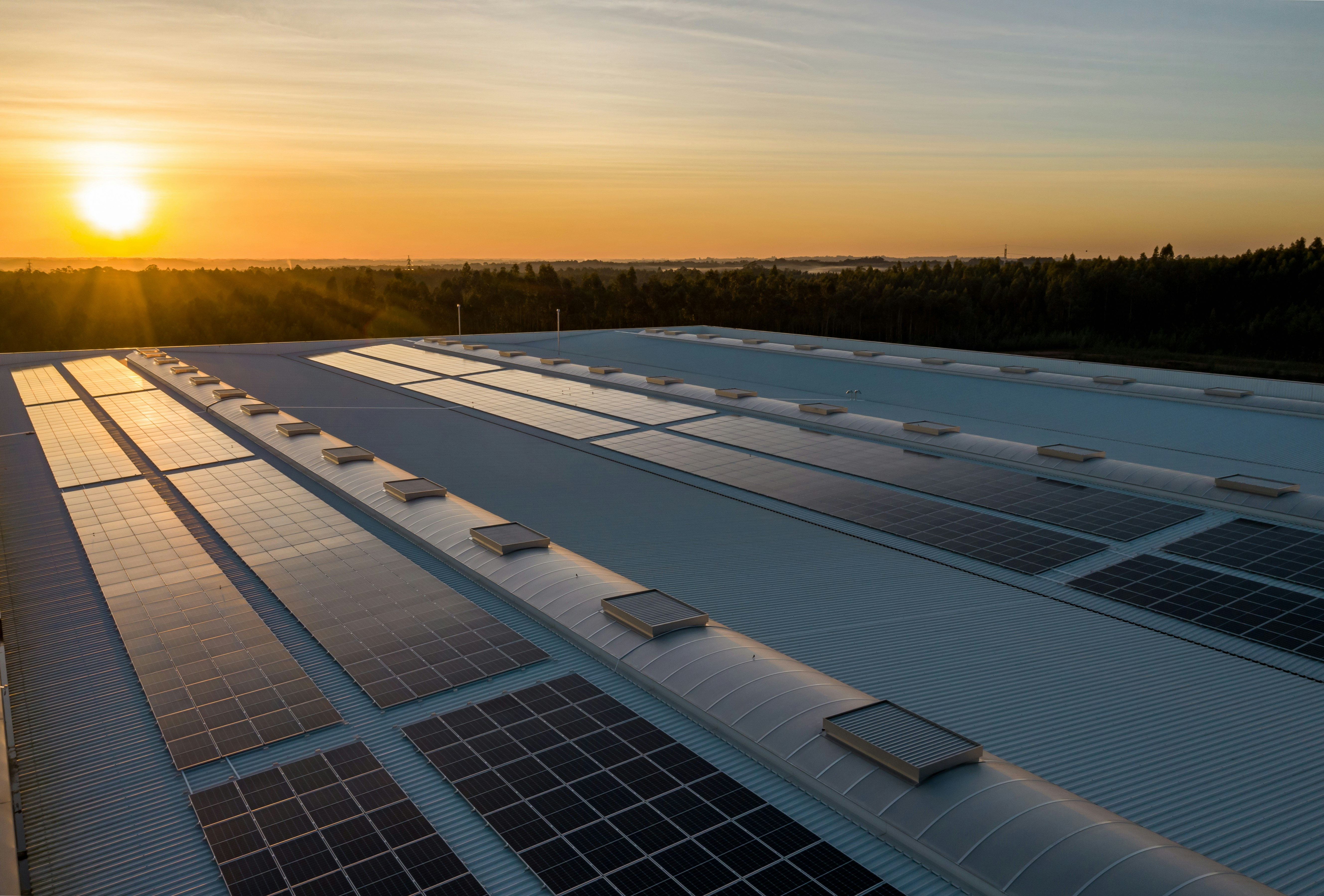
Solar-wind hybrid installations maximize land use efficiency (Source: Unsplash/Energy Photos)
Why BESS Is the Missing Piece in the Clean Energy Puzzle
Battery Energy Storage Systems (BESS) transform renewable limitations into opportunities. Think of them as "energy shock absorbers" that:
- Store surplus solar/wind during peak generation
- Release power during high-demand/low-production periods
- Provide grid stability through frequency regulation
The magic happens when we pair storage with generation. For every 100MW of solar/wind, adding 30-50MW of BESS increases utilization by 40-60%. As IRENA notes, BESS isn't optional – it's the backbone of the energy transition.
European Energy Transition by the Numbers
| Technology | Installed Capacity (2023) | 2030 Projection | Storage Duration Needed |
|---|---|---|---|
| Solar PV | 209 GW | 600 GW | 2-4 hours/day |
| Wind | 255 GW | 480 GW | 4-8 hours/day |
| BESS | 8.4 GWh | 200 GWh | N/A |
Data sources: Ember Climate & Energy Storage News
Real-World Proof: Germany’s Wind + Solar + BESS Success
Let’s examine Schleswig-Holstein – Germany’s renewable pioneer. By 2022, this windy northern state achieved 136% renewable penetration using a carefully calibrated mix:
- Wind: 7.1 GW capacity (covers 85% of regional demand)
- Solar: 1.8 GW capacity (12% seasonal complement)
- BESS: 420 MW/1.5 GWh system buffers intermittency
During a 2023 winter lull, their BESS discharged 680 MWh during peak hours, preventing €1.3 million in fossil backup costs. This "Goldilocks ratio" of 4:1 wind-to-solar with 20% BESS capacity demonstrates how much solar, wind, and BESS work best in concert.

Grid-scale BESS installation in Germany (Source: Unsplash/Science Photo)
Emerging Tech & Policies Shaping Tomorrow’s Energy Mix
Technological Game-Changers
- Solid-state batteries increasing storage duration to 6-10 hours
- AI-driven "virtual power plants" optimizing distributed assets
- Hybrid inverters enabling seamless solar-wind-BESS handshaking
Policy Accelerators
EU’s Green Deal Industrial Plan includes mandates for:
- Minimum 4-hour storage for new renewable projects
- Cross-border frequency regulation markets
- Accelerated permitting for co-located solar-wind-BESS sites
Your Energy Future Starts Now
As you evaluate how much solar, wind, and BESS makes sense for your project, consider this: What grid challenges could turn your renewable investment from an expense into a revenue stream with smart storage? Let’s design your custom solution today – because the future isn't just clean energy, but intelligently stored clean energy.
 Inquiry
 Online Chat