


Home Energy Storage Options: Your Path to Energy Resilience
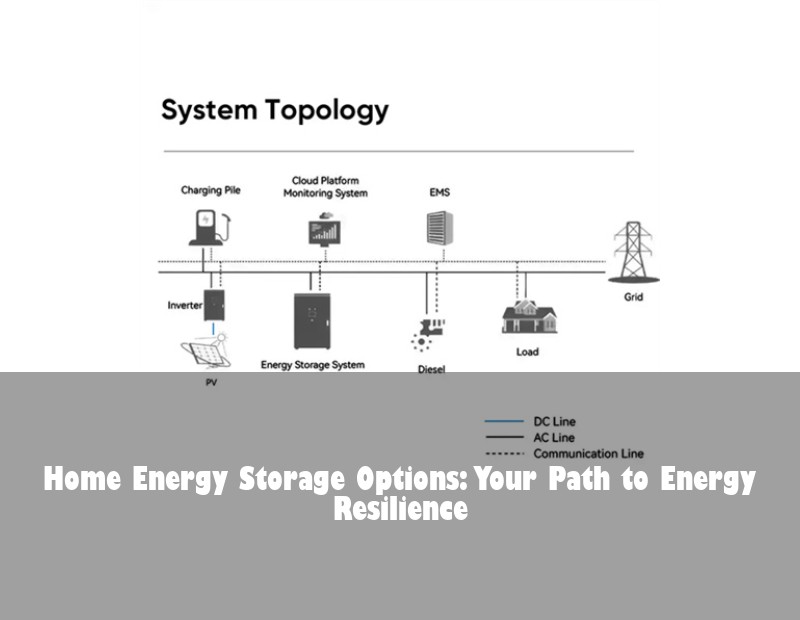
- Europe's Energy Reality: Costs and Instability
- Why Home Energy Storage Makes Financial Sense
- Technology Deep Dive: Comparing Storage Options
- Real-World Success: A German Family's Story
- Choosing Your Ideal Storage Solution
- What's Next for Home Energy Storage?
Europe's Energy Reality: Costs and Instability
It's a cold January evening in Berlin, and electricity prices suddenly spike to €0.85/kWh during peak hours. Across Europe, homeowners face similar volatility - with average electricity prices jumping 64% since 2021 (Eurostat). This phenomenon isn't just about bills; grid instability caused 42% more power outages in Western Europe last winter. As solar panels become commonplace, the missing link emerges: home energy storage options transform sunlight into 24/7 power security.
Why Home Energy Storage Makes Financial Sense
Modern storage systems turn solar investments into financial engines. Consider these advantages:
- Peak Shaving: Avoid premium pricing by using stored energy during costly evening hours
- Self-Consumption Boost: Increase solar usage from 30% to 80+%, slashing grid dependence
- Backup Protection: Maintain power during outages - critical for home offices or medical devices
 Image: Sleek wall-mounted battery systems integrate seamlessly into European homes (Source: Pexels)
The ROI Breakdown
| System Size | Upfront Cost | Annual Savings | Payback Period |
|---|---|---|---|
| 5 kWh | €4,000-€6,000 | €700-€900 | 5-7 years |
| 10 kWh | €7,500-€10,000 | €1,300-€1,600 | 6-8 years |
| 15 kWh | €11,000-€14,000 | €1,800-€2,200 | 7-9 years |
Note: Savings based on average German consumption of 3,500 kWh/year with solar feed-in tariffs
Technology Deep Dive: Comparing Storage Options
Not all batteries are created equal. Let's examine the four main contenders:
Lithium-ion Batteries: The Mainstream Champion
Dominating 92% of new installations, Li-ion offers compact designs with 6,000+ cycle lifespans. Tesla Powerwall and Sonnen ECO lead this category with smart energy management software that learns consumption patterns. Their 90-95% efficiency makes them ideal for daily cycling. "My LG Chem unit powers our home from dusk till dawn with no grid draw," reports Matthias from Hamburg.
Lead-Acid: The Budget Veteran
While heavier and less efficient (70-80%), these remain viable for seasonal cabins or budget-conscious retrofits. Flooded variants require ventilation, while AGM types offer maintenance-free operation. Pro tip: Pair them with smaller solar arrays since they can't handle frequent deep discharges.
Flow Batteries: The Endurance Specialist
Vanadium flow batteries excel in long-duration storage (4-12+ hours) with minimal degradation over 20+ years. Though bulkier and pricier upfront, they're gaining traction for larger homes in Scandinavia where winter sunlight is scarce. Companies like VoltStorage now offer residential units.
Saltwater Batteries: The Eco-Innovator
Non-toxic and fully recyclable, saltwater tech eliminates fire risks. Aquion Energy's units perform well in variable temperatures - perfect for Mediterranean villas or Alpine chalets. Expect 4-6 hour discharge cycles and slightly lower efficiency (80-85%).
Real-World Success: A German Family's Story
The Schröders in Bavaria demonstrate storage's transformative impact. After installing a 8.6kWh Senec lithium system paired with 9kW solar panels:
- Annual grid consumption dropped from 4,200 kWh to 780 kWh
- Blackout protection during 2023 winter storms kept heat pumps running
- €1,940 saved in first year through optimized self-consumption
"We now pay less monthly for our entire system loan than our previous electricity bills," notes homeowner Klaus Schröder. Their data shows consistent 76% self-sufficiency year-round, peaking at 98% in summer (Energy-Charts).
Choosing Your Ideal Storage Solution
Selecting storage requires balancing four factors:
- Energy Needs: Calculate nightly consumption patterns (3-5kWh suits most EU households)
- Climate Considerations: Lithium-ion excels in varied climates while flow batteries suit extreme cold
- Future-Proofing: Ensure compatibility with EV charging and V2G (vehicle-to-grid) technology
- Smart Features: Prioritize systems with AI energy forecasting like those from SolarEdge
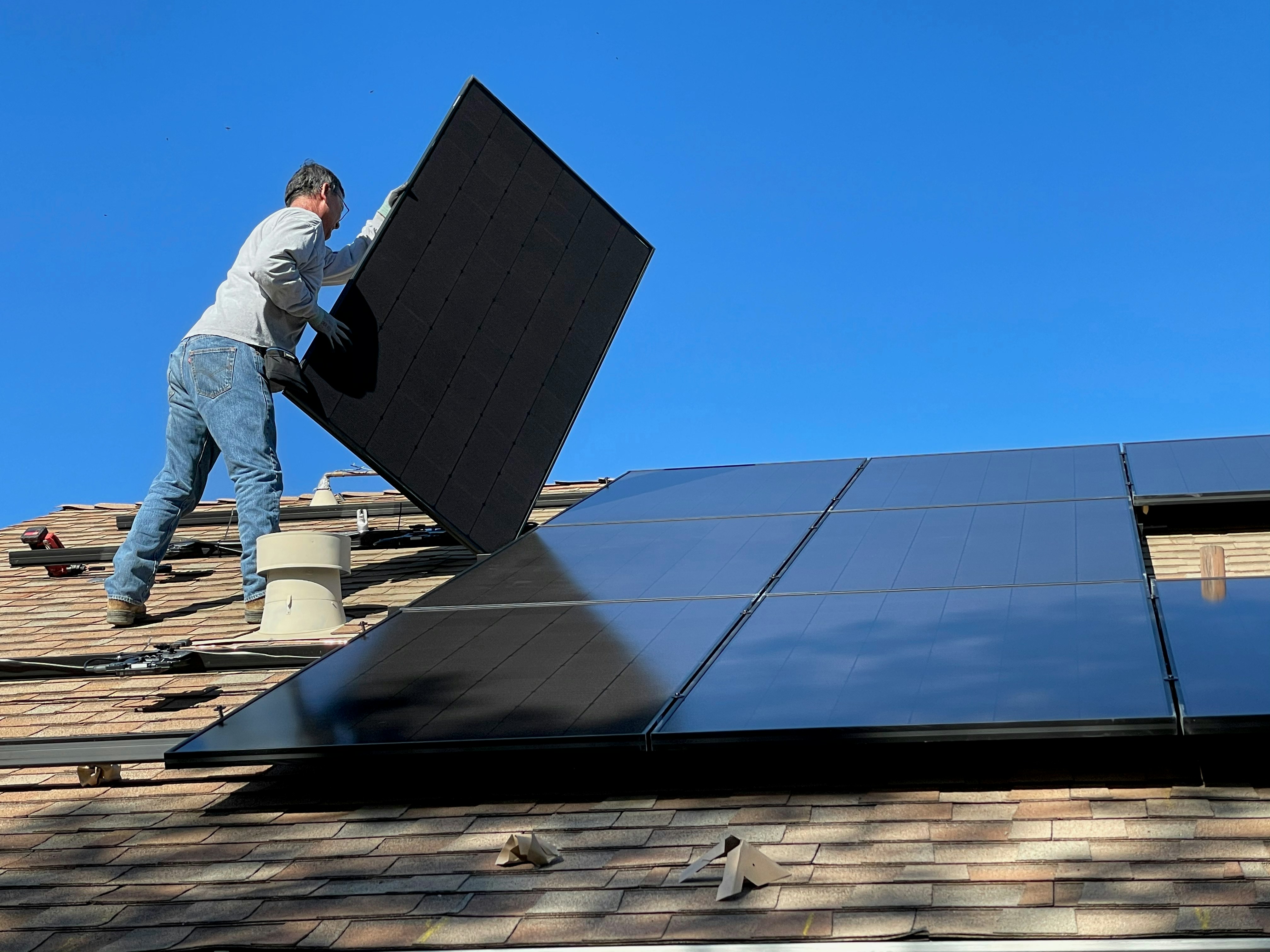 Image: Professional installation ensures optimal performance and safety (Source: Unsplash)
What's Next for Home Energy Storage?
Emerging innovations are reshaping storage landscapes. Solid-state batteries promise 50% higher density by 2025, while bidirectional EV charging transforms cars into backup power sources. European regulations now favor storage-friendly policies - Italy's Superbonus 110% scheme covers 90% of system costs for eligible homeowners.
Industry experts predict integrated solar-storage systems will become standard in new EU homes by 2027. As IEA notes, "Residential storage is the cornerstone of Europe's renewable transition."
The Energy Community Advantage
Virtual power plants (VPPs) like Lichtblick's in Hamburg allow storage owners to earn €200-€500/year by feeding surplus energy during peak demand. This collective approach stabilizes grids while rewarding participants - a true win-win.
Ready to Take Control?
What energy independence milestone could you achieve this year - complete grid independence, backup security, or joining a clean energy community?
 Inquiry
 Online Chat