


Grid Feed Solar Power System: The Future of Renewable Energy Integration
Table of Contents
Introduction: The Energy Revolution at Your Doorstep
Imagine your rooftop solar panels not just powering your home, but actively feeding clean energy back into your community's electrical grid. This is the reality of modern grid feed solar power systems – intelligent energy ecosystems transforming passive consumers into active "prosumers." Across Europe, homeowners and businesses are discovering how these systems turn sunlight into both immediate savings and long-term revenue streams.
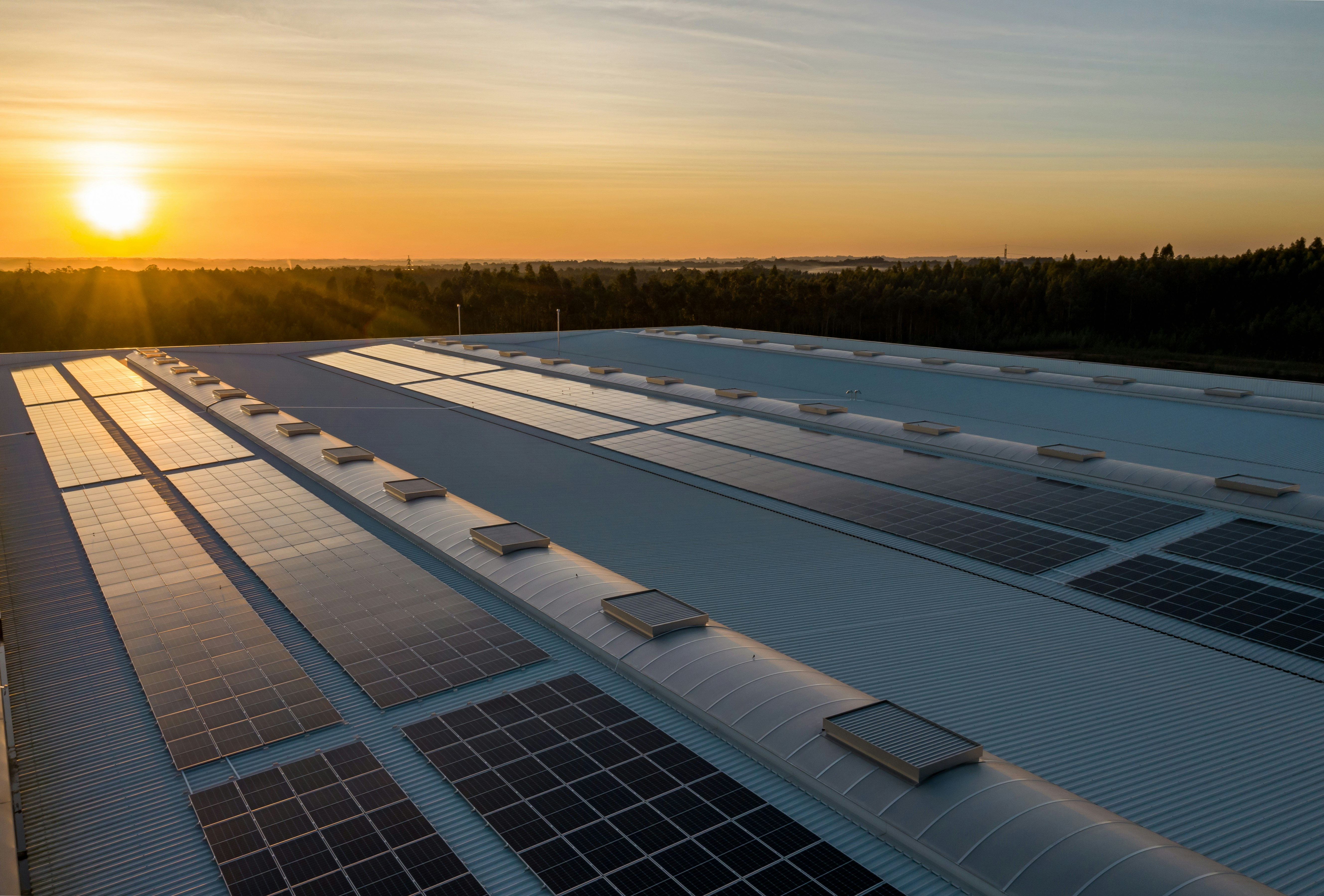
Image source: Unsplash
How Grid Feed Solar Power Systems Work
Unlike off-grid systems requiring bulky batteries, grid feed solutions directly connect solar generation to the public electricity network through intelligent inverters. Here's the magic:
- Real-time energy balancing: Excess solar power automatically flows to the grid when production exceeds consumption
- Bi-directional metering: Special meters track both energy drawn from and supplied to the grid
- Automatic fail-safes: Systems instantly disconnect during grid outages for safety
Consider it like having a dynamic energy bank account: you "deposit" surplus solar energy during sunny afternoons and "withdraw" when needed at night, often with favorable financial compensation.
Europe's Solar Surge: Data & Market Trends
The European solar market isn't just growing – it's accelerating at unprecedented rates. Recent data reveals why grid feed systems dominate renewable strategies:
| Country | Annual Growth (2023) | Avg. Payback Period | Grid Feed Incentives |
|---|---|---|---|
| Germany | 14.2% | 6-8 years | Feed-in tariffs + tax benefits |
| Spain | 22.7% | 5-7 years | Net metering + regional subsidies |
| Netherlands | 18.9% | 7-9 years | Salderingsregeling (energy offsetting) |
Data source: SolarPower Europe
What's driving this? Soaring energy prices (up 34% in EU households since 2021) combined with dramatically lower solar installation costs – now 80% cheaper than a decade ago. As one Berlin homeowner told me: "Our grid feed system turned our roof into a profit center during last year's energy crisis."
Real-World Success: Germany's Grid Feed Transformation
Let's examine Bavaria where the Müller family installed a 9.8kW grid feed system in 2021. Their data tells a compelling story:
- Annual production: 10,200 kWh
- Self-consumption: 38% (3,876 kWh)
- Grid feed-in: 62% (6,324 kWh)
- Feed-in tariff income: €0.082/kWh = €518/year
- Energy bill reduction: 72%
But here's what excites engineers: their SMA inverter with EcoManage technology automatically optimizes feed-in timing to capitalize on peak grid demand prices. During the 2022 heatwave when French nuclear plants struggled, their system earned 23% above standard rates by feeding power during critical hours.
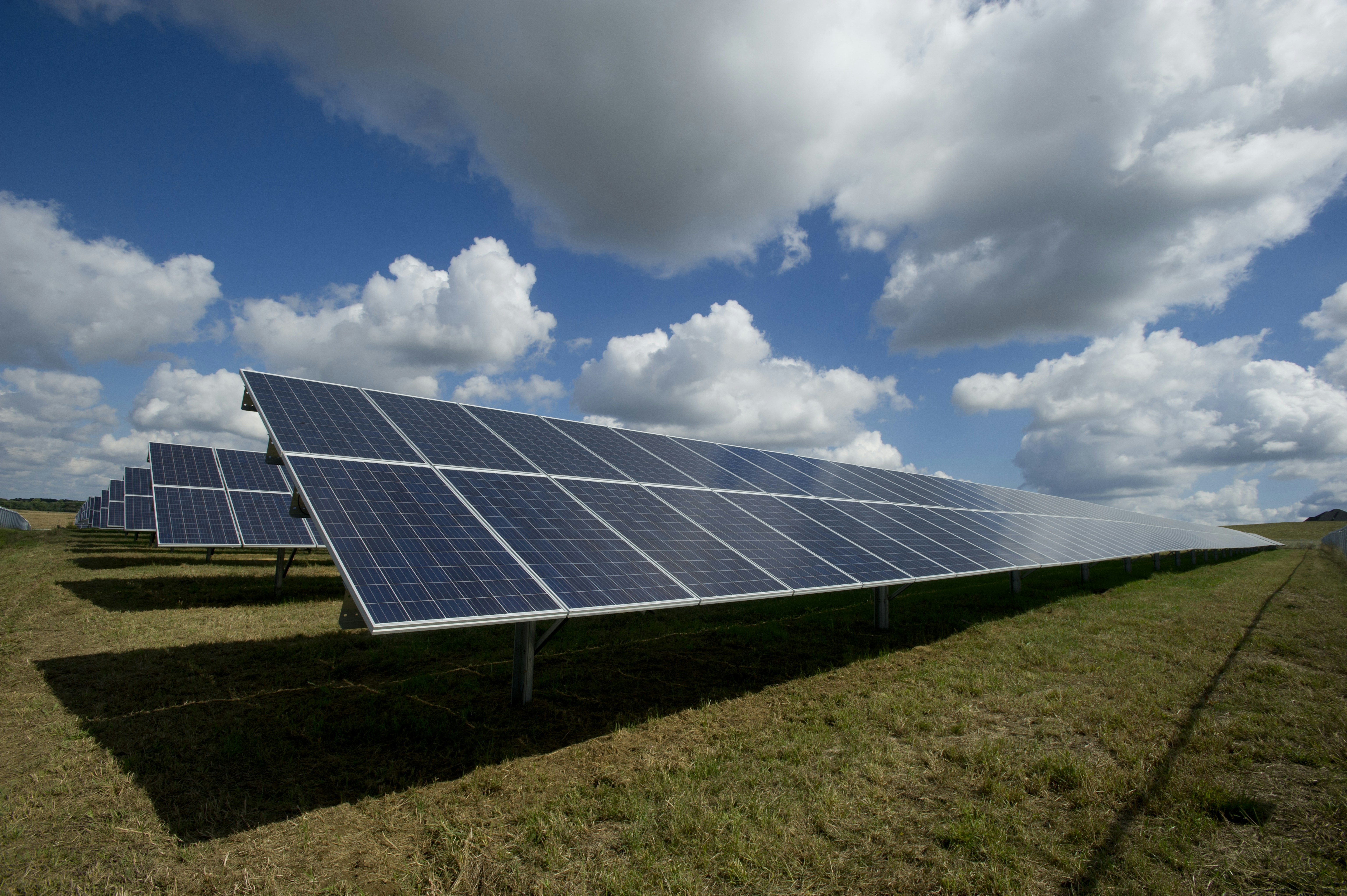
Image source: Unsplash
Germany's broader success stems from policy foresight. The Renewable Energy Sources Act created a stable framework where grid feed systems now contribute 9.3% of national electricity – enough to power 8.2 million homes annually.
Smart Grid Integration Solutions
As grid feed installations multiply, innovative solutions address integration challenges:
Voltage Regulation Technology
Advanced inverters now actively stabilize grid voltage through reactive power control – crucial in rural areas with weak infrastructure. Fronius systems in Austria demonstrate 0.5-second response times to voltage fluctuations.
Dynamic Feed-in Management
During grid congestion, systems automatically curtail feed-in while prioritizing self-consumption. This prevents the need for costly grid upgrades – a win for utilities and consumers alike.
Future Innovations in Grid Feed Technology
The next wave of innovation is already appearing:
- Blockchain-enabled P2P trading (tested in UK's Piclo project)
- AI-powered forecasting that boosts feed-in revenue by 12-18%
- Hybrid inverters with optional battery integration for premium feed-in timing
As solar expert Dr. Lena Schmidt notes: "We're transitioning from simple feed-in to intelligent grid interaction where systems actively support grid health while maximizing returns."
Your Energy Future Starts Now
The data is clear: grid feed solar power systems have moved from ecological statements to smart financial decisions. With European payback periods now rivaling traditional investments, why remain a passive energy consumer? What energy independence milestones could your rooftop achieve in the next 5 years?
 Inquiry
 Online Chat