


Energia Solar en Quimica: Transforming Industrial Processes with Photovoltaic Innovation
Imagine chemical plants powered not by fossil fuels, but by limitless sunlight. This is the reality unfolding across Europe as energia solar en quimica reshapes an industry historically reliant on carbon-intensive energy. From synthesizing green hydrogen to decarbonizing fertilizer production, solar-driven electrochemistry is unlocking radical efficiency and sustainability gains. Let's explore how this synergy between photovoltaics and chemical engineering is rewriting industrial playbooks.
Table of Contents
- The Solar Chemistry Phenomenon: Why It Matters Now
- European Adoption: Key Metrics & Trends
- Case Study: Fertiberia's Solar-Powered Ammonia Plant, Spain
- Electrochemical Pathways: How Solar Powers Reactions
- Overcoming Adoption Challenges
- Where Solar Chemistry Goes Next
The Solar Chemistry Phenomenon: Why It Matters Now
Chemical manufacturing accounts for 10% of global energy consumption and 7% of CO₂ emissions. Traditional processes face two critical constraints: volatile fossil fuel costs and tightening carbon regulations. Solar chemistry solves both by:
- Using PV-generated electricity to drive electrochemical reactions
- Enabling direct solar-powered thermochemical processes
- Replacing coal/oil with sunlight as the primary reaction catalyst
Consider electrolysis: When solar powers water splitting, hydrogen production emits zero CO₂ versus 9kg CO₂ per kg H₂ with steam methane reforming. That's not incremental improvement – it's fundamental reinvention.
European Adoption: Key Metrics & Trends
Europe leads in solar chemistry integration, driven by €100/ton carbon prices and REPowerEU mandates. Key indicators reveal accelerating adoption:
| Application | Solar Integration Rate (EU) | CO₂ Reduction Potential | Investment Growth (2020-2023) |
|---|---|---|---|
| Green Hydrogen Production | 42% of new projects | 4.7M tons/year by 2025 | +300% |
| Ammonia Synthesis | 18% of retrofits | 76% vs conventional | +190% |
| Solar Thermal Catalysis | Experimental phase | Up to 90% | R&D focus |
Source: IRENA Solar Integration Report 2023
Germany's €8 billion H2Giga initiative exemplifies this shift, targeting solar-powered electrolyzer factories at GW scale. But where's the most compelling implementation? Look to Iberia.
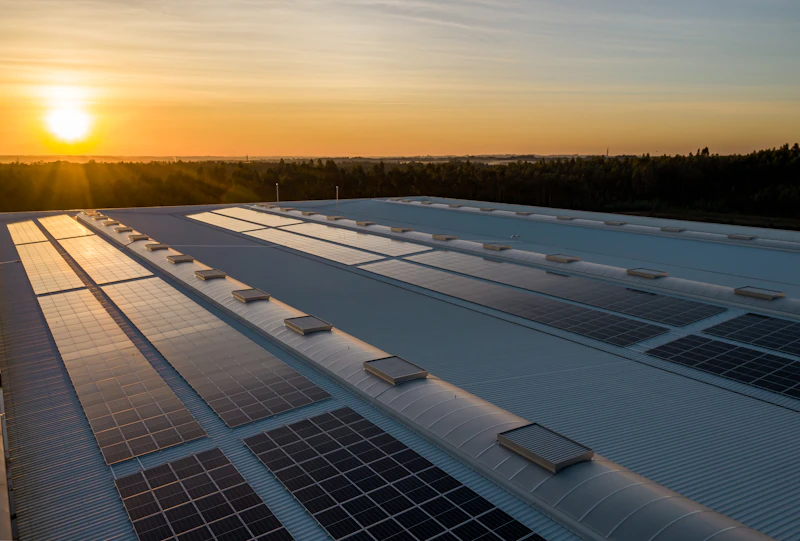 Image: Solar arrays powering chemical processes (Source: Unsplash/Industrial Solar)
Case Study: Fertiberia's Solar-Powered Ammonia Plant, Puertollano, Spain
In 2022, Spanish fertilizer giant Fertiberia launched Europe's first industrial-scale solar-ammonia facility. Powered by Iberdrola's adjacent 100MW photovoltaic plant, the project demonstrates solar chemistry's commercial viability:
- Technology: 20MW PEM electrolyzers + Haber-Bosch process
- Output: 4,000 tons/year green ammonia (10x pilot phase)
- Emission Reduction: 48,000 tons CO₂/year vs conventional
- Economics: 22% lower operating costs despite higher Capex
"Our solar ammonia sells at 15% premium in Nordic markets," notes CTO Elena Sánchez. "Farmers pay more for carbon-neutral fertilizers, and regulators fast-track our exports." The project's success has triggered similar initiatives in Rotterdam and Odessa.
Electrochemical Pathways: How Solar Powers Reactions
Solar chemistry leverages three primary mechanisms, each with distinct advantages:
Photoelectrochemical Cells (PECs)
Direct solar-to-chemical conversion using semiconductor electrodes. Ideal for hydrogen peroxide synthesis – Bayer's Leverkusen pilot achieves 18.3% efficiency with bifacial modules.
PV-Electrolysis Coupling
Solar electricity drives conventional electrolyzers. Current commercial frontrunner due to scalability. Siemens' Silyzer 300 systems now interface directly with PV arrays, eliminating grid dependence.
Concentrated Solar Thermochemistry
Mirrored collectors generate 800-1500°C heat for endothermic reactions. Best for cement/steel decarbonization but gaining traction in methanol production.
Fun fact: Solar-driven photocatalysis can achieve quantum yields exceeding 85% for selective oxidations – something thermal processes rarely match!
Overcoming Adoption Challenges
Despite progress, three hurdles slow widespread deployment:
- Intermittency Management: Chemical plants need 24/7 operation. Solutions include:
- Hybrid PV-wind systems with 4-hour battery buffers
- Dynamic reaction rate control (e.g., BASF's load-following electrolyzers)
- Catalyst Development: Earth-abundant catalysts for solar-driven reactions remain costly. EU-funded Sun-to-Chem consortium targets 50% cost reduction by 2026.
- Regulatory Misalignment: Many carbon pricing mechanisms don't recognize indirect solar benefits. The Dutch Green Deal now offers tax credits for solar-powered carbon capture systems.
Where Solar Chemistry Goes Next
Horizon Europe projects suggest solar chemistry will expand beyond current applications:
- Solar-driven polymer synthesis (replacing petroleum feedstocks)
- UV-powered water treatment for pharmaceutical manufacturing
- Solar cracking of biomass into platform chemicals
As Dr. Gabriela Schmidt at ETH Zurich observes: "We're moving from using solar energy in chemistry to designing chemistry for solar energy. That's when exponential change happens."
Your Turn: What's Holding Back Your Solar Chemistry Transition?
Is it capital constraints, technology readiness, or regulatory uncertainty in your region? Share your biggest barrier – our research team might have the solution you need.
 Inquiry
 Online Chat