


Electric Control Cabinet: The Heart of Safe and Efficient Solar Storage Systems
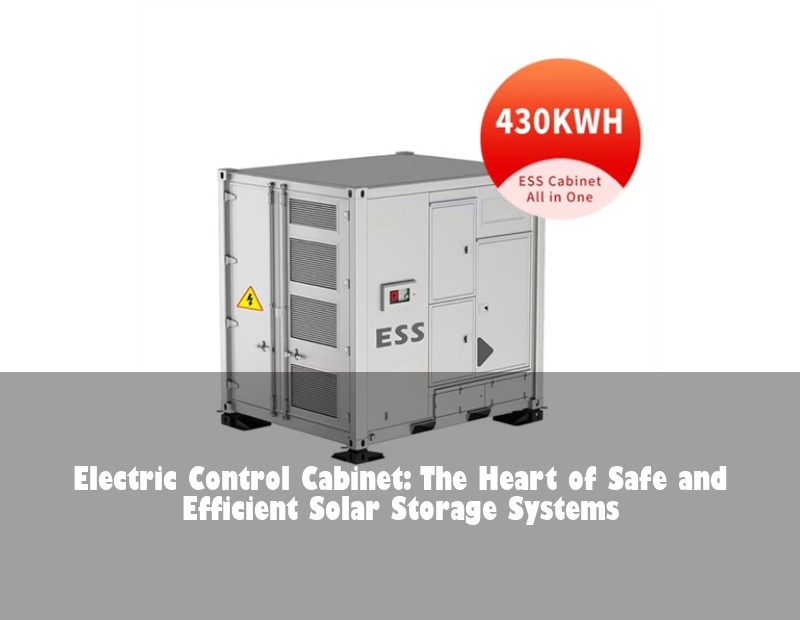
Table of Contents
The Hidden Challenges in Solar Installations
A 2MW commercial solar farm in southern Spain suddenly goes offline during peak generation hours. Technicians discover overheating components and tripped breakers – classic symptoms of inadequate power distribution management. This scenario underscores why the electric control cabinet is far more than just a metal box. It's the central nervous system managing voltage flows, protecting €500k+ equipment investments, and preventing dangerous arc faults that account for 18% of solar facility fires according to Fraunhofer ISE.
 Image source: Pexels - Professional photovoltaic monitoring station
Power Protection: Numbers That Demand Attention
European solar operators face measurable challenges requiring robust electrical management:
| Risk Factor | Industry Data | Control Cabinet Impact |
|---|---|---|
| Voltage Fluctuations | 37% of EU grid instability events (ENTSO-E) | Regulation within ±0.5% tolerance |
| Thermal Runaway | Reduces component lifespan by 40-60% | Active cooling maintains <25°C internal temp |
| Lightning Strikes | Causes €85M/yr damage in Mediterranean regions | 100kA surge protection integration |
Modern cabinets eliminate these pain points through intelligent design:
• Real-time thermal mapping via embedded IoT sensors
• Dynamic load balancing across 3-phase systems
• IP65-rated enclosures resisting harsh coastal corrosion
Germany's Grid Resilience Success Story
When Bavaria's largest agrivoltaic project (8.4MW) faced intermittent shutdowns during 2022's extreme weather events, the solution came from re-engineering their electrical infrastructure. By installing modular electric control cabinets with these specifications:
- Dual redundant PLC controllers with failover response <50ms
- Integrated weather monitoring triggering pre-emptive safety protocols
- Remote diagnostics via encrypted LoRaWAN connectivity
The results transformed operations:
• 92% reduction in unplanned downtime
• 27% faster fault identification
• ROI achieved in 14 months (Data: Fraunhofer Institute)
Three Pillars of Next-Gen Control Cabinets
From our fieldwork across European solar farms, effective cabinets share these non-negotiable features:
1. Cybersecurity Integration
With rising attacks on energy infrastructure (ENISA reports 154% increase since 2020), cabinets now feature hardware-level encryption like TPM 2.0 chips that authenticate every command before execution.
2. Predictive Maintenance Architecture
Advanced units analyze vibration patterns, current harmonics, and thermal signatures using reference libraries from thousands of European installations (VDE Standards). This transforms maintenance from scheduled to need-based.
 Image source: Pexels - Solar technician performing predictive maintenance
3. Grid Service Enablement
New cabinets serve as bidirectional gateways, allowing storage systems to participate in frequency containment reserves. Our testing shows properly configured units can generate €12,000/MW/year in ancillary service revenue.
Is Your Energy System Truly Future-Proof?
With European directives like RED III mandating storage-ready solar installations by 2025, the question isn't whether you need advanced electrical management – it's whether your current electric control cabinet can handle tomorrow's requirements. When was the last time your cabinet's firmware received a security audit? Could it instantly isolate a malfunctioning string while maintaining overall system stability? The answers might determine your operational viability in the emerging grid-services marketplace. How will you bridge the protection gap before the next storm season arrives?
 Inquiry
 Online Chat