


Distributed Generation Systems: Europe's Energy Transformation
Table of Contents
What Are Distributed Generation Systems?
Ever wondered how your neighborhood could become its own power plant? That's exactly what distributed generation systems (DGS) enable. Unlike traditional centralized power stations, DGS are small-scale energy sources – solar panels on rooftops, wind turbines in communities, or battery storage in basements – that generate electricity right where it's consumed. Across Europe, these systems are revolutionizing how we think about energy independence.
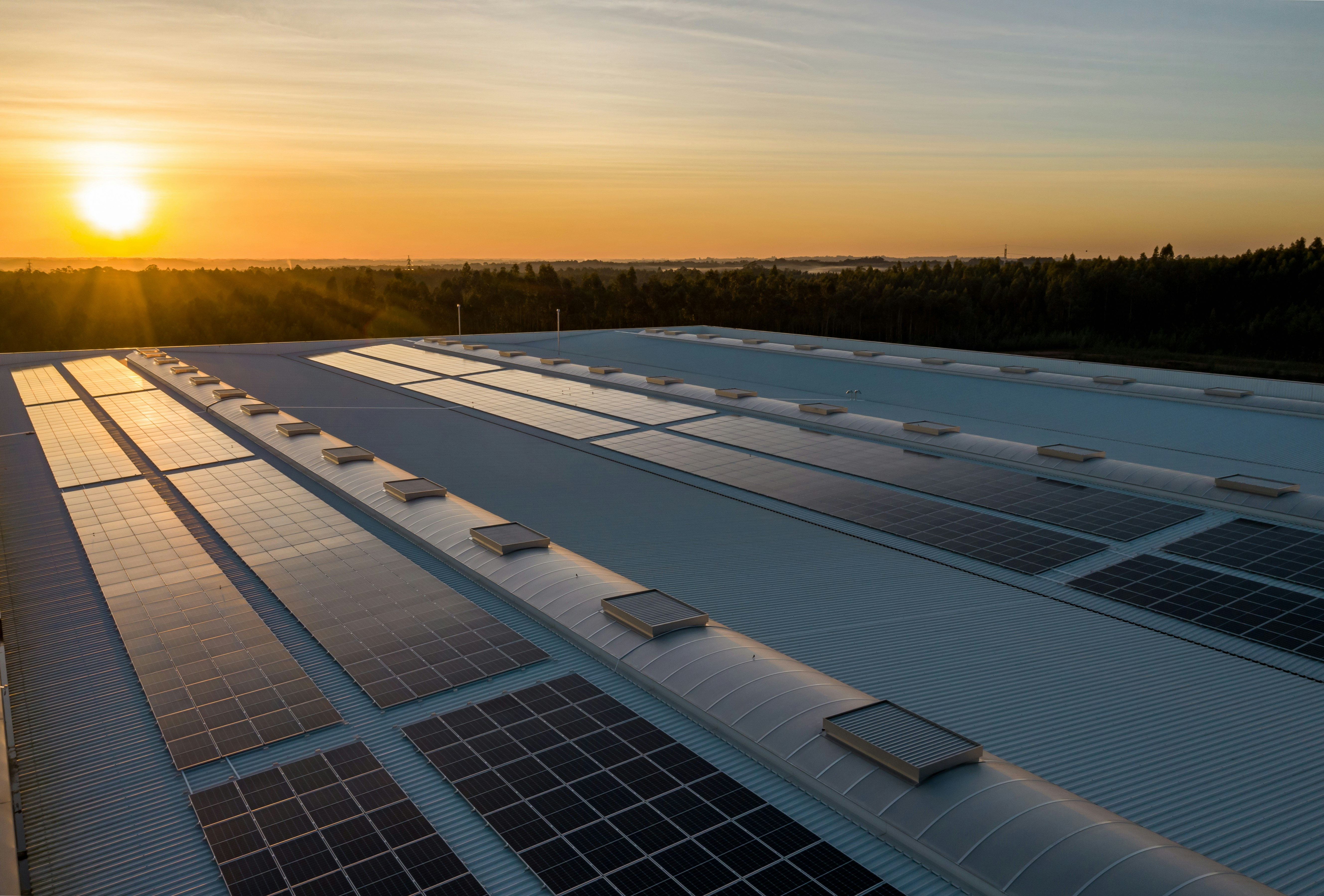
Instead of relying solely on distant coal plants or nuclear facilities, a supermarket in Spain uses solar panels on its roof to power refrigeration, while excess energy charges battery systems for nighttime use. This isn't science fiction; it's today's reality. DGS transform passive consumers into active "prosumers" who both produce and consume energy, creating resilient microgrids that reduce transmission losses by up to 15% compared to centralized models.
Europe's Rapid Adoption of Distributed Generation
Why is Europe leading this charge? Well, the numbers tell a compelling story. The European distributed generation market is projected to grow at 11.8% CAGR through 2028, driven by EU policy tailwinds like the REPowerEU plan's €300 billion investment in energy independence. Consider these eye-opening statistics:
- Solar PV capacity in Germany alone grew 10.6 GW in 2022 - equivalent to powering 3 million homes
- Residential battery storage installations in the UK increased 89% year-over-year
- Sweden now sources 54% of its electricity from distributed renewable sources
| Country | DGS Capacity (2023) | Growth Since 2020 |
|---|---|---|
| Germany | 68.4 GW | +28% |
| Netherlands | 19.1 GW | +142% |
| Poland | 12.7 GW | +357% |
Source: Renewable Energy Magazine
Real-World Success: Feldheim, Germany's Energy Independence
Let's examine a living laboratory of distributed generation. Feldheim, a 130-person village 60km southwest of Berlin, achieved 100% energy self-sufficiency through a community-owned DGS network. Their setup includes:
- 55 wind turbines generating 123 MW
- Biogas plant utilizing local agricultural waste
- District heating system powered by renewable sources
- Battery storage facility stabilizing supply
The results? Residents enjoy electricity prices 31% below the national average while eliminating 15,000 tons of CO2 annually. During the 2021 European energy crisis, when wholesale prices spiked 400%, Feldheim's energy bills remained stable - proving DGS's resilience. As Mayor Michael Knape notes: "We control our energy destiny. That security is priceless."
Key Technical Innovations in Modern DGS
What makes today's distributed generation systems so revolutionary? Three critical technologies are game-changers:
1. Smart Inverters with Grid-Forming Capabilities
Unlike traditional inverters that shut down during grid disturbances, these devices can "island" sections of the network, maintaining power during outages. Solar Pro's IQ8 series enables this blackout protection without additional hardware.
2. AI-Powered Energy Management Systems
Machine learning algorithms predict consumption patterns and optimize when to store, consume, or sell energy. A Dutch hospital using such systems reduced peak demand charges by 23% while increasing self-consumption to 78%.
3. Modular Battery Architectures
New stackable battery designs allow homeowners to start small (5kWh) and expand incrementally as needs evolve. This plug-and-play approach has driven adoption in France, where residential storage grew 200% in 18 months.
Source: Energy Storage News

Future Trends in Distributed Energy Networks
Where is this technology heading? Three emerging developments will shape Europe's DGS landscape:
- Blockchain Energy Trading: Pilot projects like Energy Web enable peer-to-peer solar energy trading between neighbors
- Vehicle-to-Grid (V2G) Integration: Nissan's UK trials show electric vehicles can provide grid balancing services while parked
- Hydrogen Hybrid Systems: Excess solar energy converted to hydrogen for seasonal storage - a solution being tested in Nordic countries
As grid operators face increasing volatility, DGS aren't just an alternative - they're becoming grid stability assets. Spain's grid operator paid €28/MWh to distributed battery owners for frequency regulation services in 2022, creating new revenue streams.
Your Distributed Generation Journey
Ready to explore how distributed generation systems could transform your energy profile? Consider these questions as starting points:
- What percentage of your daytime energy consumption could be offset by rooftop solar?
- How might battery storage protect your operations during grid instability events?
- Could your facility provide grid services through intelligent energy management?
For deeper insights into optimizing DGS for your specific needs, explore the latest IEA technical guidelines or SolarPower Europe's case studies. What's the first step you'll take toward energy independence this quarter?
 Inquiry
 Online Chat