


Cleantech Energy Solutions: The Engine of Europe's Energy Transformation
Table of Contents
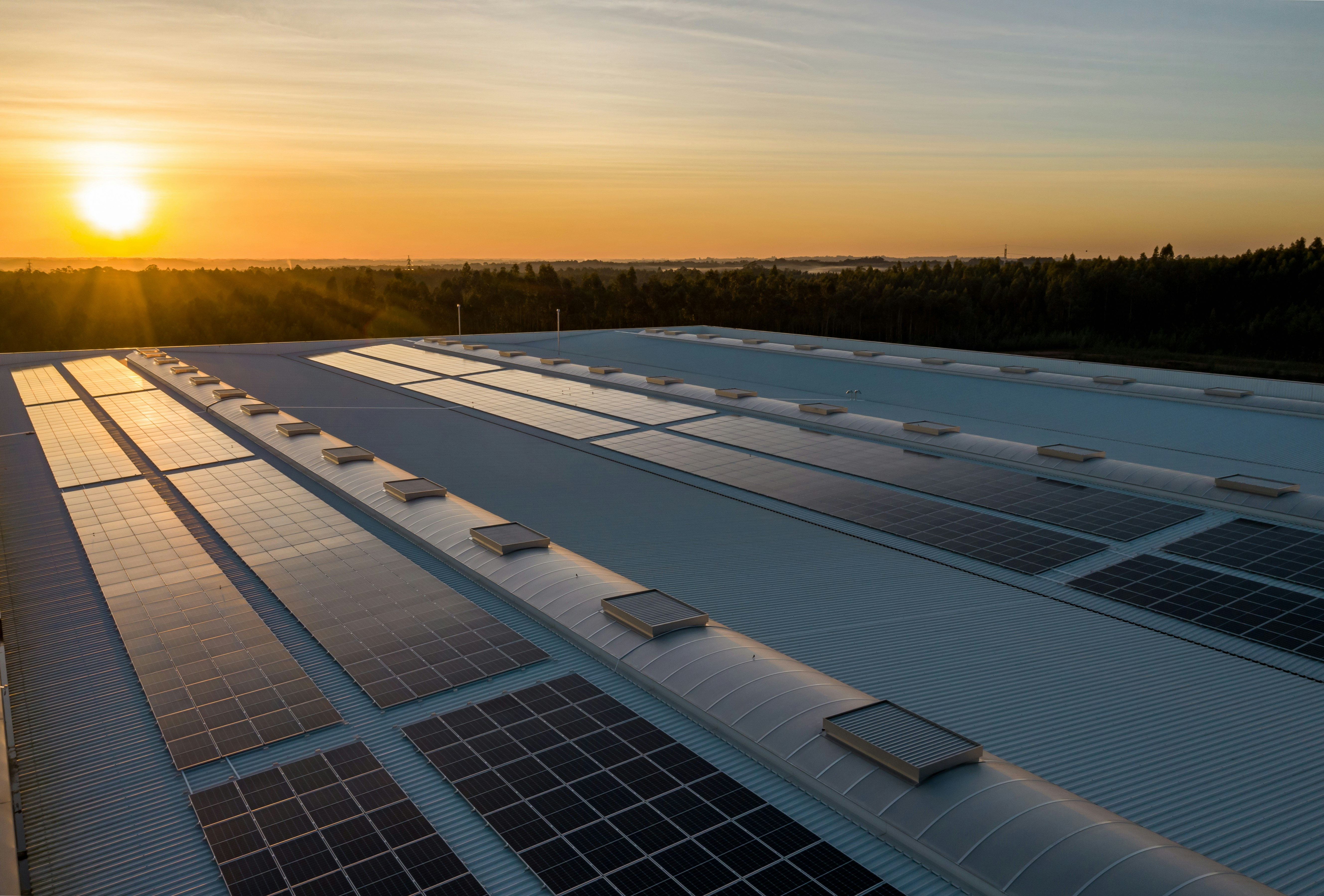
Solar farms like this Dutch installation are transforming Europe's energy landscape. Image: © Maurice Laarman/Unsplash
The Energy Revolution Phenomenon
Walking through Berlin, Barcelona, or Bordeaux these days, you'll notice something remarkable – rooftops gleaming with solar panels and neighborhoods quietly humming with battery storage systems. This visual transformation signals Europe's accelerating shift toward cleantech energy solutions. From German households to Swedish factories, businesses and communities are proactively responding to both climate commitments and energy security concerns. This isn't just an environmental movement; it's a fundamental restructuring of how we generate, store, and consume power.
Cleantech by the Numbers: Europe's Progress
European cleantech adoption tells a compelling story through statistics:
- Solar capacity additions hit 41.4 GW in 2022 – a 47% YoY increase
- EU battery storage deployments projected to grow 600% by 2030
- Renewables supplied 41.2% of EU electricity in 2022 (up from 37% in 2021)
| Country | Solar Capacity (2022) | Annual Growth |
|---|---|---|
| Germany | 67.3 GW | 7.9 GW added |
| Spain | 23.8 GW | 4.5 GW added |
| Netherlands | 19.1 GW | 3.9 GW added |
Source: Ember Climate Report 2023
Spotlight: Iberdrola's Mula Solar-Storage Project
In Spain's sun-drenched Murcia region, Iberdrola's Mula facility demonstrates cleantech's real-world impact. This integrated system combines:
- 84,000 bifacial solar panels
- 3MWh lithium-ion battery storage
- Smart grid integration technology

Integrated solar-storage installations like Iberdrola's project optimize renewable output. Image: © American Public Power Association/Unsplash
The results speak for themselves: The plant powers 33,000 homes while providing grid stabilization services that prevent blackouts during demand surges. Since commissioning in 2021, the project has:
- Reduced CO2 emissions by 37,500 tons annually
- Decreased grid strain during peak hours by 92%
- Delivered 11% ROI through energy arbitrage
Technology Deep Dive: Solar + Storage Synergy
Modern cleantech energy solutions achieve maximum efficiency through three technological pillars:
- Advanced PV Modules: PERC and heterojunction cells achieving >22% efficiency
- Intelligent Storage: Lithium-iron phosphate (LFP) batteries with AI-driven charge/discharge algorithms
- Energy Management Systems: Cloud-based platforms optimizing consumption patterns
The magic happens when these components communicate seamlessly. For example, during cloudy periods in Munich, a smart system might:
- Detect declining solar production
- Calculate remaining home energy needs
- Draw optimized power from storage
- Optionally engage backup generators
Overcoming Implementation Challenges
While transitioning to cleantech presents hurdles, innovative solutions are emerging:
| Challenge | Innovative Solution | Example |
|---|---|---|
| Grid Congestion | Virtual Power Plants (VPPs) | Next Kraftwerke's network in Germany |
| Space Constraints | Agrivoltaic Systems | French vineyard solar installations |
| Storage Costs | Second-life EV batteries | UK's Battery Storage Project |
The Road Ahead for Cleantech Energy Solutions
Emerging innovations are set to accelerate adoption:
- Solid-state batteries (projected 50% higher density by 2025)
- Building-integrated photovoltaics (BIPV) transforming windows and facades
- Blockchain-enabled peer-to-peer energy trading platforms
The European Commission's RED III directive sets ambitious 2030 targets that will further catalyze cleantech deployment. As grid parity becomes reality across more European nations, economic viability now complements environmental urgency.
What energy transformation challenge is your business facing today?
As we witness Rotterdam's port electrify its operations and Danish islands achieve energy independence through renewables, one truth becomes clear: the age of smart, clean energy isn't coming – it's already here. How will your organization harness these technologies to build resilience and leadership in the new energy economy?
 Inquiry
 Online Chat