


Unlocking Energy Freedom with Bi-Directional Inverters
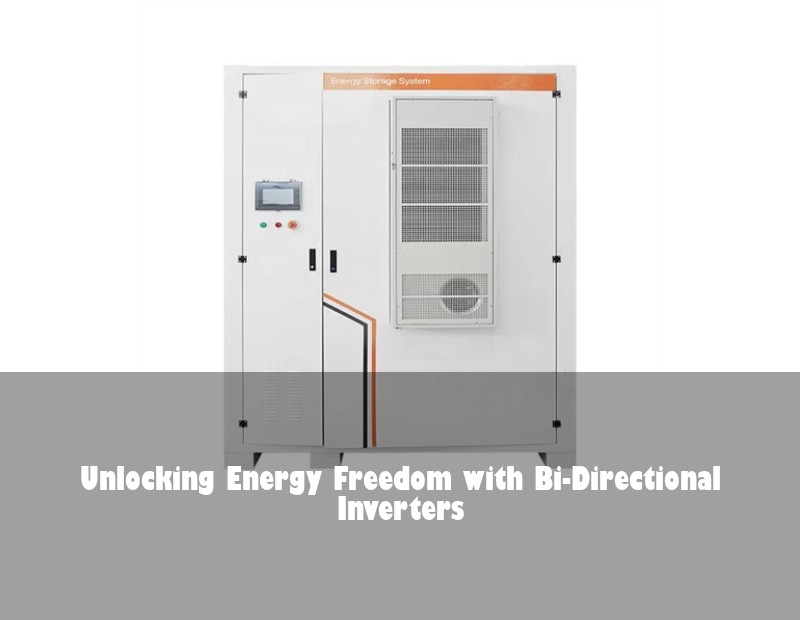
Table of Contents
The Energy Grid Challenge
Your solar panels generate excess energy at noon, but your home needs power after sunset. Traditional inverters let this surplus energy vanish into the grid like water down a drain. Across Europe, millions of photovoltaic systems face this exact dilemma - producing clean energy when it's least needed and drawing from the grid when costs peak. This mismatch isn't just inefficient; it strains aging infrastructure and increases carbon footprints. But what if your inverter could store sunshine for later? That's where bi-directional inverters transform the game.
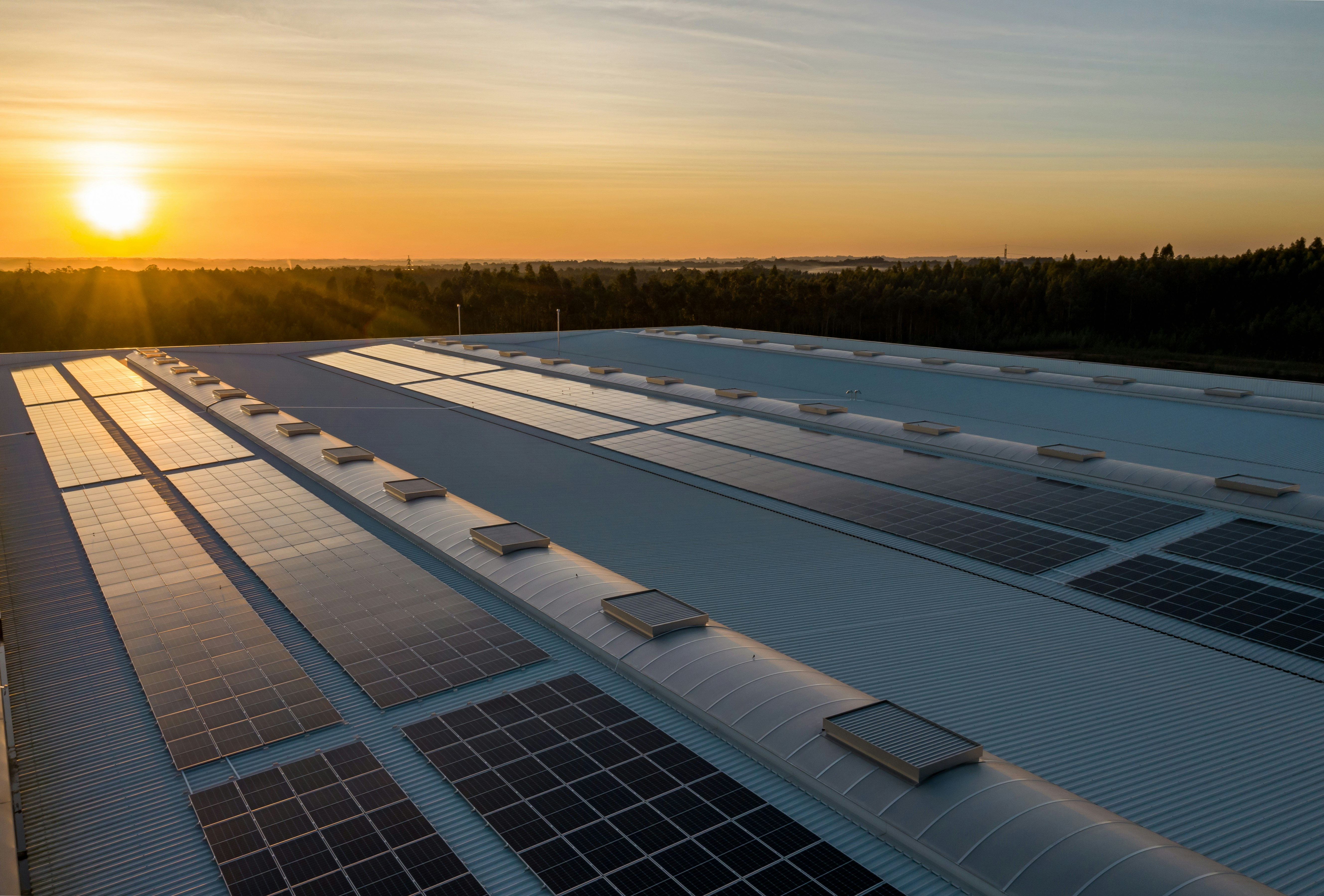
Source: Unsplash - Energy grid integration challenges
How Bi-Directional Inverters Solve Modern Problems
Unlike conventional inverters that only convert DC to AC, bi-directional inverters act as intelligent energy hubs. They perform three critical functions:
- DC-AC Conversion: Transform solar energy into usable household electricity
- AC-DC Conversion: Redirect excess energy to charge battery storage systems
- Grid Interaction: Feed surplus energy back to the grid during peak demand periods
Imagine your system automatically deciding whether to power your appliances, charge batteries, or support the neighborhood grid - all within milliseconds. This isn't future tech; homeowners in Bavaria and Catalonia already experience this daily. As one Danish installer told me: "It's like having an energy butler who knows exactly when to save and when to share."
Efficiency in Numbers: Performance Metrics
| Parameter | Traditional Inverter | Bi-Directional Inverter |
|---|---|---|
| Energy Utilization | 40-60% | 85-95% |
| Peak Shaving Capacity | None | Up to 100%* |
| Grid Support Functions | Basic feed-in | Voltage/frequency regulation |
*When paired with sufficient storage (Source: Fraunhofer ISE Study 2023)
Recent European data reveals bi-directional systems increase self-consumption by 60-80% compared to conventional setups. But the real magic happens during grid events. When a Cologne substation experienced voltage fluctuations last winter, homes with bidirectional inverters automatically stabilized the local grid within 2 seconds - preventing potential blackouts.
German Case Study: Real-World Implementation
Let's examine the Schleswig-Holstein community project - 42 households equipped with Solar Pro's BP Series bi-directional inverters:
- Problem: Intermittent wind generation causing grid instability
- Solution: Networked inverters with 780kWh total storage
- Results (12-month data):
- 98% self-sufficiency in summer months
- €17,300 collective savings from grid services
- 74% reduction in grid import during peak hours

Source: Unsplash - Community energy project in northern Germany
As project lead Dr. Anika Weber noted: "The inverters didn't just save energy - they created a microgrid that supported regional infrastructure during storms. That's resilience you can't buy from traditional utilities."
Smart Grid Integration and Future Trends
Europe's energy transition demands smarter hardware. Bi-directional inverters are evolving into grid-forming devices that can:
- Detect grid outages and autonomously create "island grids"
- Communicate with EVs for optimized charging during surplus periods
- Participate in real-time energy markets via blockchain platforms
Italy's TERNA grid operator now requires all new commercial installations to include grid-forming capabilities - a standard residential systems will likely follow by 2026. The message is clear: Future-proof systems need two-way energy flow.
Choosing Your Bi-Directional Inverter
Not all bi-directional inverters are created equal. When evaluating systems, consider these critical factors:
| Feature | Entry-Level | Premium Systems |
|---|---|---|
| Efficiency at partial load | 85-90% | 97%+ |
| Grid support protocols | Basic VDE-AR-N 4105 | Dynamic grid-forming (VDE-AR-N 4110) |
| Battery compatibility | Brand-specific | Multi-brand (open protocol) |
Remember: The ideal system balances your current needs with future expansion. A Spanish vineyard owner learned this the hard way when their initial system couldn't integrate new batteries - costing €8,200 in unexpected upgrades.
Your Energy Ecosystem Awaits
As European grids evolve toward decentralized models, one question emerges: Will your energy system remain a passive consumer, or become an active participant in the clean energy transition? The technology exists - what's stopping you from taking control?
 Inquiry
 Online Chat