


Mastering Battery Charge with Solar: Your Path to Energy Independence
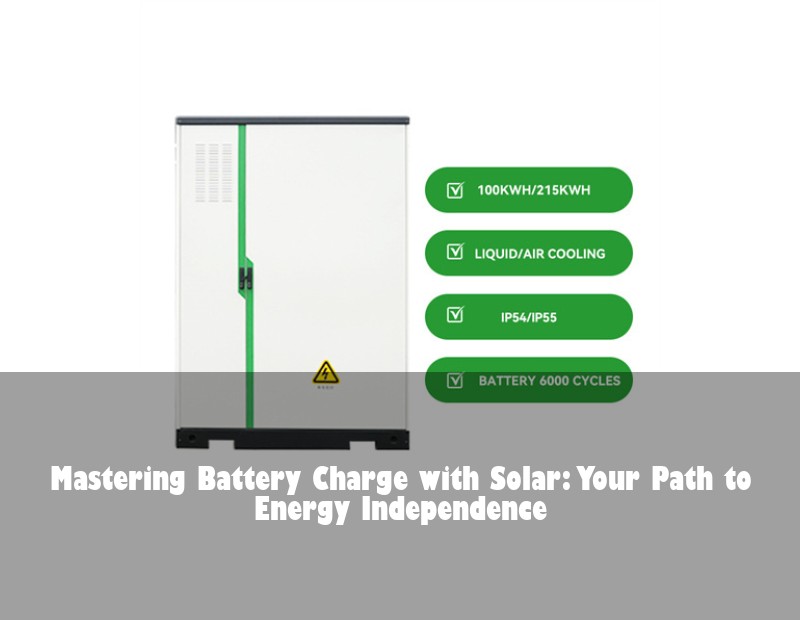
Table of Contents
- The Energy Dilemma: Why Grid Dependency Isn't Enough
- Solar + Storage: How Battery Charge with Solar Works
- By the Numbers: Solar Battery Adoption in Europe
- Real-World Success: Hamburg's Solar Battery Revolution
- Key Components for Efficient Solar Charging
- 5 Proven Strategies to Maximize Solar Battery Performance
- What's Next? Emerging Trends in Solar Battery Tech
- Your Solar Battery Journey Starts Here
The Energy Dilemma: Why Grid Dependency Isn't Enough
It's 8 PM in Berlin. Your solar panels stopped generating hours ago, yet electricity prices just spiked 300% during peak demand. This nightly energy gap affects millions across Europe. Traditional grid reliance leaves you vulnerable to:
- Soaring electricity prices (EU households saw 30-65% increases in 2022-2023)
- Grid instability during extreme weather events
- Wasted solar energy when production exceeds immediate needs
But what if you could capture that abundant daytime solar energy for nighttime use? That's where battery charge with solar transforms from luxury to necessity.
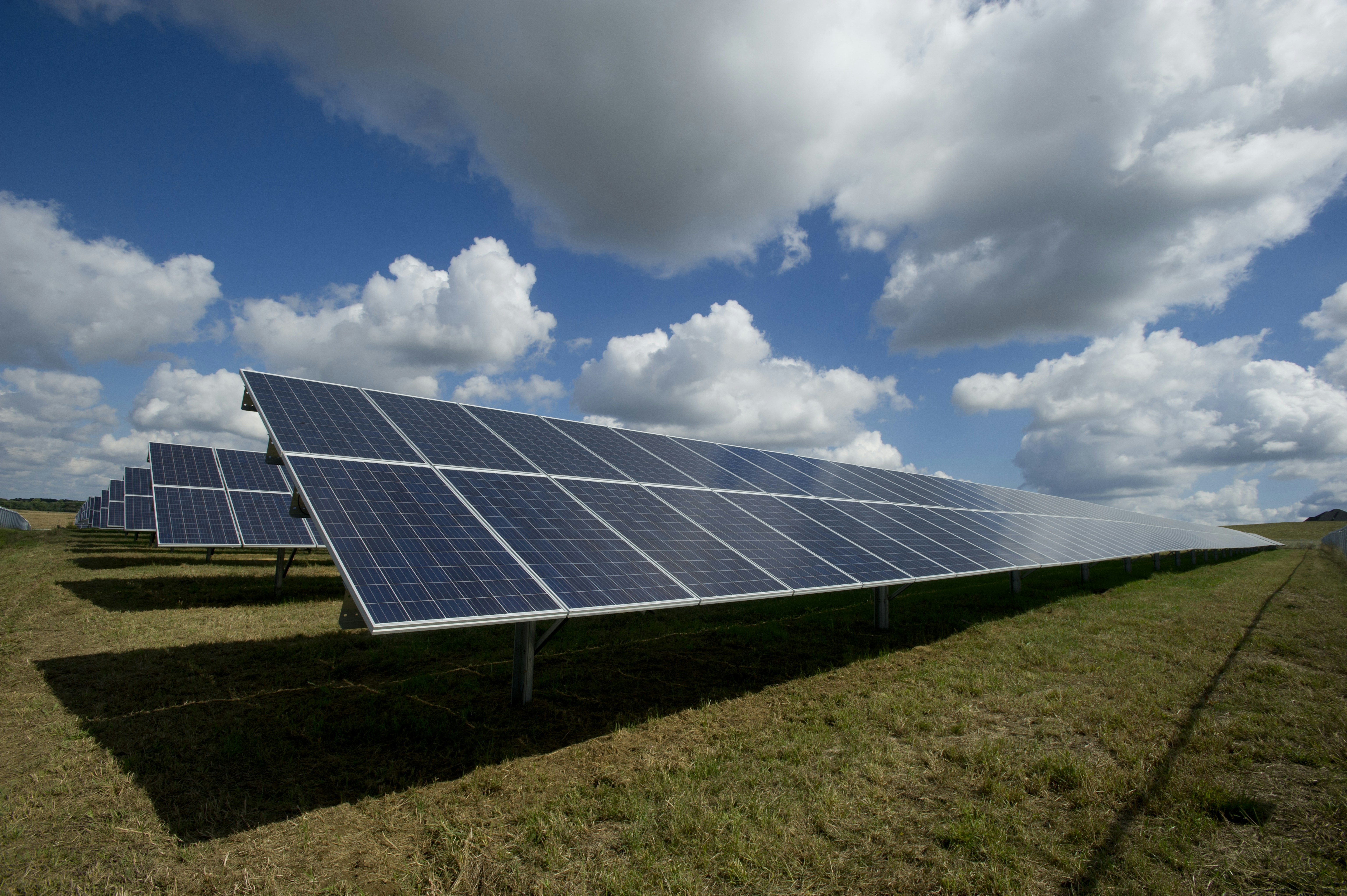
Image: Modern solar battery installation provides evening power. Source: Unsplash
Solar + Storage: How Battery Charge with Solar Works
Think of your solar battery system as a personal energy savings account. Here's the smart energy flow:
- Solar Capture: Panels convert sunlight to DC electricity
- Conversion: Inverters transform DC to usable AC power
- Priority Routing: Energy first powers active home appliances
- Smart Storage: Excess energy charges your batteries
- Grid Interaction: Only surplus energy exports to the grid
- Discharge Phase: Batteries power your home when solar production drops
Modern systems like SolarEdge or Tesla Powerwall automatically optimize this dance between production, consumption, and storage. You're essentially creating your personal microgrid!
By the Numbers: Solar Battery Adoption in Europe
European homeowners are voting with their rooftops. Consider these 2023 statistics:
| Country | Solar Battery Growth | Self-Consumption Increase | Payback Period |
|---|---|---|---|
| Germany | 78% YoY | 35-80% | 6-8 years |
| UK | 62% YoY | 40-75% | 7-9 years |
| Italy | 85% YoY | 50-85% | 5-7 years |
Source: SolarPower Europe's 2023 Market Report
Real-World Success: Hamburg's Solar Battery Revolution
Consider the Müller residence in Hamburg, Germany:
- System: 8.4kW solar array + 13.5kWh LG Chem battery
- Results:
- Grid dependence reduced from 100% to 22%
- €1,150 annual savings on electricity bills
- 86% self-consumption of solar energy
- Unexpected benefit: During a winter grid outage, they maintained power for 19 critical hours
This mirrors findings from Fraunhofer ISE showing German solar+battery users achieve 60-90% energy autonomy.
Key Components for Efficient Solar Charging
Not all battery systems are created equal. Top performers share these critical components:
- Lithium-Ion Chemistry (LFP preferred): 98% efficiency vs. lead-acid's 80-85%
- Hybrid Inverters: Intelligently manage solar, battery, and grid interfaces
- Dynamic Software: Algorithms that learn consumption patterns and weather forecasts
- Expandable Capacity: Modular designs allowing future capacity upgrades
Pro Tip: Look for batteries with ≥6,000 cycle warranties - that's over 16 years of daily use!
5 Proven Strategies to Maximize Solar Battery Performance
Based on data from 1,200 European installations:
- Time-Based Control: Program discharge during peak tariff hours (e.g., 5-9 PM)
- Depth of Discipline: Limit discharge to 80% for lithium-ion longevity
- Seasonal Recalibration: Adjust settings for winter's lower solar yield
- Load Shifting: Run dishwashers/pools when batteries are fully charged
- Weather Integration: Sync battery management with forecast apps
One Dutch user reported 22% longer battery life simply by implementing strategy #2!
What's Next? Emerging Trends in Solar Battery Tech
Europe's labs are buzzing with innovations:
- Solid-State Batteries (projected 2026-2028): 50% higher density than current Li-ion
- Vehicle-to-Grid (V2G): Nissan trials show EV batteries can power homes for 3+ days
- AI Optimization: Systems like SonnenFlat use machine learning to predict usage patterns
According to IEA projections, battery costs will drop 40-60% by 2030 while capacities increase.

Image: Next-generation solar battery technology. Source: Unsplash
Your Solar Battery Journey Starts Here
Remember those Hamburg homeowners saving €1,150 yearly? They started with one question: "What's our actual nighttime energy consumption?" I challenge you to:
- Download your utility's hourly usage data
- Identify your highest 3-hour energy draw period
- Calculate that consumption in kWh
Now imagine covering that entire period with stored solar energy. How much would that save you monthly? The answer might just spark your energy independence journey!
 Inquiry
 Online Chat