


Batteries for Off Grid Living: Unlocking Energy Independence
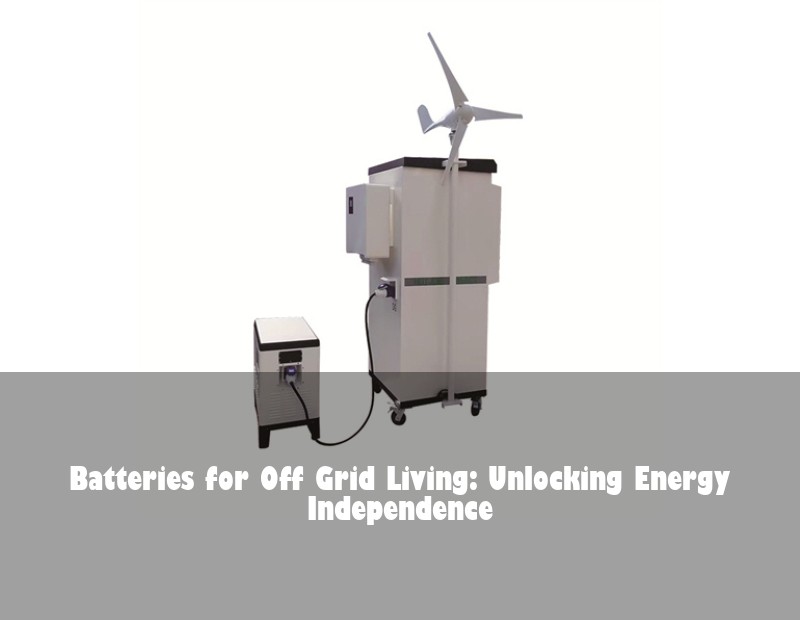
Table of Contents
The Off-Grid Energy Revolution in Europe
Picture yourself in the Swedish forests or Portuguese hillsides, where a quiet revolution is unfolding. Over 2 million Europeans now live completely off-grid, with adoption growing 15% annually. What's fueling this shift? A combination of rising electricity costs (up 40% since 2020 in Germany) and growing climate consciousness. But here's the catch: solar panels alone can't power your refrigerator at midnight. That's where batteries for off grid living transform from luxury to necessity – the true backbone of energy independence.
Why Grid Independence Demands Smart Storage
Let's address the elephant in the room: Solar panels produce irregular energy. Without storage, you'd face:
- Energy gaps: 70% of consumption occurs when panels are inactive
- System inefficiency: Losing up to 60% of captured solar energy
- Generator dependency: Noisy, polluting backups that defeat eco-goals
The solution isn't just any battery – it's purpose-built storage systems designed for off-grid resilience. Modern lithium batteries maintain 80% capacity after 6,000 cycles, effectively lasting 15+ years in daily use. That reliability turns intermittent sunlight into 24/7 power security.
 Image source: U.S. Department of Energy - Energy flow in off-grid systems
Modern Battery Technologies Compared
Not all batteries are created equal. Here's how top contenders stack up:
| Technology | Cycle Life | Depth of Discharge | Efficiency | Ideal For |
|---|---|---|---|---|
| Lithium Iron Phosphate (LiFePO4) | 6,000+ cycles | 90% | 98% | Permanent homes |
| Lead-Acid (AGM) | 500-1,200 cycles | 50% | 85% | Seasonal cabins |
| Saltwater Batteries | 5,000 cycles | 100% | 85% | Eco-sensitive zones |
While LiFePO4 dominates new installations (holding 78% market share in 2023), your choice depends on budget and usage patterns. Remember, efficiency matters: A 5% difference equals 1,200kWh lost annually in a typical 8kW system!
Real-World Success: Nordic Case Study
Consider the Olsson family in Arctic Sweden (68°N latitude). Their challenge? Surviving winters with just 3 sunlight hours. Their solution:
- 24kWh LiFePO4 battery bank (3x Solar Pro Ultra units)
- Integrated -40°C cold-weather protection
- Smart load management prioritizing heat pumps
The results? 96% energy autonomy despite -30°C temperatures. During the 2023 energy crisis, they avoided €2,800 in projected grid costs while maintaining consistent power through a 14-day snowstorm. As Mrs. Olsson noted: "Our batteries aren't just equipment – they're peace of mind." IEA data confirms such systems can reduce diesel backup usage by 89%.
 Image source: NREL - Off-grid system performance in extreme climates
Optimizing Your Off-Grid Battery System
Sizing Your Solution
Under-sizing leads to blackouts; over-sizing wastes resources. The sweet spot? Match storage to:
- Your "darkest period" energy needs (usually winter)
- 3-5 days of autonomy buffer
- Peak consumption spikes (e.g., well pumps starting)
Maintenance Mastery
Modern lithium batteries are largely maintenance-free, but smart habits extend lifespan:
- Keep between -20°C to 50°C (heating pads help in Alps)
- Avoid constant 100% discharges – stay above 20%
- Update firmware quarterly for efficiency improvements
Pro tip: Pair batteries with predictive software that learns consumption patterns and adjusts charging accordingly.
What Will Your Energy Freedom Look Like?
Beyond technical specs, off-grid batteries represent something profound: liberation from utility bills, geopolitical volatility, and carbon guilt. As more European communities adopt microgrids (like Greece's Tilos Island running 100% on renewables with battery buffers), the technology proves its mettle. But here's our question for you: When you envision your off-grid future, what's the first appliance you'll power confidently through the longest night of winter?
 Inquiry
 Online Chat