


Reliable Backup Power for Apartment Dwellers: Your Energy Security Solution
Imagine this: a sudden storm knocks out the grid just as you're about to join an important video call or cook dinner. For millions living in apartments across Europe, the lack of control over backup power is a growing concern. Power outages, whether caused by extreme weather, aging infrastructure, or grid overloads, disrupt lives and compromise comfort. But what if your apartment building could offer true energy independence? Modern solar energy paired with intelligent battery storage systems is transforming multi-family housing, providing robust, sustainable backup power for apartment residents. This isn't science fiction; it's a practical, scalable solution available today.
Table of Contents
- The Problem: Apartments & Power Vulnerability
- The Data: Outages Bite Deeper in Urban Settings
- The Solution: Solar + Storage = Apartment Resilience
- Case Study: Solar Resilience in a Berlin Apartment Complex
- How It Works: Technology Tailored for Multi-Family Homes
- Beyond Backup: Tangible Benefits for Residents & Owners
- Taking Control: Your Next Step Towards Energy Security
The Problem: Apartments & Power Vulnerability
Living in an apartment often means being at the mercy of the central grid and building management when the lights go out. Unlike standalone homes, installing a traditional fossil-fuel generator is usually impractical due to space constraints, ventilation issues, noise regulations, and shared infrastructure complexities. Renters frequently have no viable options at all. This leaves residents vulnerable:
- Lost Productivity: Remote work becomes impossible during outages.
- Food Spoilage: Refrigerators and freezers fail, leading to costly waste.
- Safety Concerns: Lack of lighting, disabled elevators, potential disruption to medical devices.
- Communication Blackout: Inability to charge phones or access the internet.
- Discomfort: Loss of heating/cooling during extreme weather events.
As climate change increases the frequency and intensity of storms and heatwaves across Europe, this vulnerability is only intensifying.

Image Credit: Pexels.com - Illustrating urban power vulnerability
The Data: Outages Bite Deeper in Urban Settings
The perception that cities are immune to power disruptions is simply false. Consider this:
| Region/Statistic | Data Point | Source |
|---|---|---|
| EU Average SAIDI (2021) | ~50 minutes per customer | Council of European Energy Regulators (CEER) |
| Germany Outage Duration (Impacted Regions) | Up to 12+ hours during severe events | German Federal Network Agency (BNetzA) Reports |
| Cost of a 6-hour Outage (Avg. EU Household) | €150-€500+ (Food loss, lost productivity, etc.) | European Commission Resilience Studies |
| Apartment Dwellers Expressing Outage Concern | Over 68% in major EU cities | Recent EU Consumer Energy Survey |
These figures highlight a critical gap in urban energy security. While the grid is reliable most of the time, its failure has significant consequences, and apartment residents often feel they have the least recourse.
The Solution: Solar + Storage = Apartment Resilience
The answer lies in integrating solar photovoltaic (PV) panels with advanced battery energy storage systems (BESS), specifically designed for multi-family buildings. Here's the PAS framework in action:
- Phenomenon: Increasing grid instability due to climate events and infrastructure stress leaves apartment residents powerless during outages.
- Agitate: The frustration, cost, and potential danger of being without power, especially for those working from home, with families, or relying on medical equipment, is immense. Traditional solutions like diesel generators are noisy, polluting, and often prohibited in apartments.
- Solve: Solar + Storage Microgrids for Apartments. Rooftop solar panels generate clean electricity. Intelligent battery systems store excess solar energy (or charge from the grid during off-peak times). During an outage, the system automatically isolates the building (or critical circuits) from the grid and seamlessly powers essential loads using the stored energy. It's silent, emission-free, and provides peace of mind.
Case Study: Solar Resilience in a Berlin Apartment Complex
Consider the "Greenhaus Mitte" project in Berlin, Germany. This 40-unit apartment complex faced frequent localized outages due to aging neighborhood transformers.
- Challenge: Provide reliable backup for common areas (lighting, elevators, emergency systems) and offer optional backup circuits for individual apartments, without relying on fossil fuels.
- Solution Installed (2022):
- 120 kWp rooftop solar array
- 180 kWh modular lithium-ion battery storage system
- Advanced energy management system (EMS) with individual apartment monitoring/control via app
- Critical circuits pre-wired for automatic backup (common areas + 30 apartments opted in)
- Results:
- Experienced 3 grid outages in 2023 (totaling 14 hours). Backup power engaged flawlessly each time.
- Residents with opted-in circuits maintained lighting, refrigeration, internet routers, and essential sockets.
- Common areas (halls, elevators, emergency lighting) remained fully operational.
- Bonus: Reduced overall building electricity costs by ~25% through solar self-consumption and peak shaving.
Image Credit: Pexels.com - Rooftop solar potential on apartments
This project demonstrates the tangible viability of solar+storage as backup power for apartment living. (Project data summarized from public case studies by German energy agency dena).
How It Works: Technology Tailored for Multi-Family Homes
Implementing effective backup power for apartments requires specialized technology:
- Rooftop Solar PV: Utilizes otherwise unused roof space to generate clean electricity. Modern high-efficiency panels maximize yield even on limited areas.
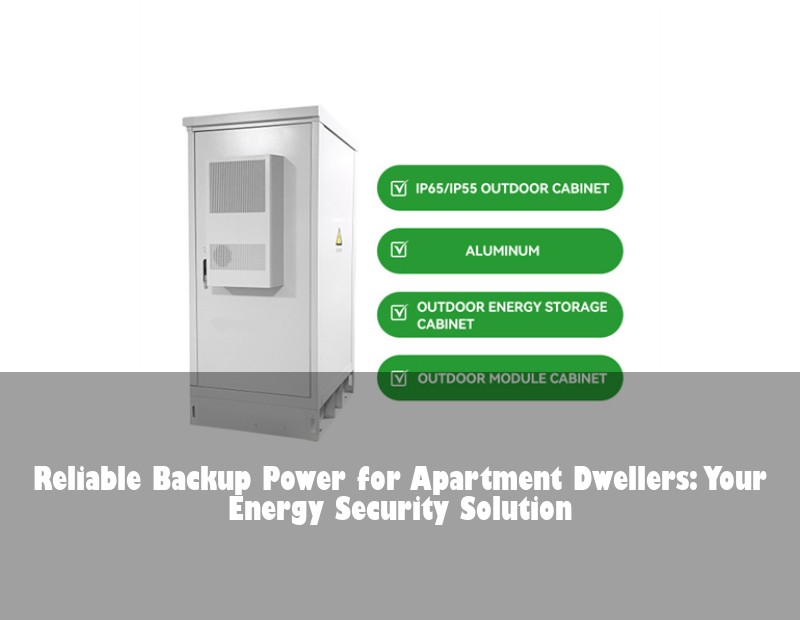
- Centralized Battery Storage: High-capacity, UL/IEC-certified lithium-ion battery systems (e.g., LiFePO4 chemistry for safety and longevity) are installed in dedicated utility rooms or basements. These act as the building's "power bank."
- Bi-Directional Inverter/Charger: The intelligent heart of the system. Manages energy flow: converting solar DC to AC for use/storage, converting AC to DC for charging batteries from the grid, and converting DC battery power to AC during an outage. Includes critical Automatic Transfer Switch (ATS) functionality.
- Energy Management System (EMS): Sophisticated software controls the entire system. It prioritizes solar self-consumption, optimizes battery charging/discharging (considering time-of-use tariffs), and ensures seamless transition to backup mode during outages. Resident portals/apps can show energy flows and savings.
- Critical Load Panel: A dedicated electrical panel is installed (or existing panels are reconfigured) to define which circuits in each apartment and the common areas receive backup power. This ensures finite battery capacity is used wisely for essentials (lights, sockets, fridge, router - excluding high-load appliances like ovens or dryers unless specifically designed for).
Key considerations for apartment implementation include: safety certifications (VDE, IEC), fire compartmentalization rules, acoustic management of inverters, and clear agreements between building owners/residents regarding costs, access, and benefits.
Beyond Backup: Tangible Benefits for Residents & Owners
While uninterrupted power is the headline benefit, solar+storage delivers a compelling value proposition:
- Energy Bill Savings: Maximizing solar self-consumption significantly reduces electricity drawn from the grid, lowering bills for residents and common area costs. Storing cheap off-peak energy for use during expensive peak hours amplifies savings. SolarPower Europe reports consistent savings for multi-family PV+storage projects.
- Increased Property Value & Attractiveness: Buildings with modern, resilient energy infrastructure are increasingly desirable. This "future-proofing" enhances market value and rental appeal.
- Reduced Grid Dependency & Peak Shaving: By generating and storing their own power, buildings reduce strain on the local grid, especially during peak demand periods, contributing to overall grid stability.
- Sustainability Leadership: Demonstrates a tangible commitment to reducing carbon footprint and combating climate change, aligning with EU Green Deal goals and resident expectations.
- Resident Empowerment & Satisfaction: Offers peace of mind and greater control over energy costs and security, fostering a sense of community resilience.
Taking Control: Your Next Step Towards Energy Security
The era of apartment dwellers passively accepting power outages is ending. Solar energy combined with intelligent battery storage presents a technically mature, economically viable, and environmentally sound path to true energy resilience. Whether you're a building owner, manager, residents' association member, or an occupant concerned about power security, the technology exists to transform your building's energy profile.
Is your apartment building ready to explore how solar+storage can provide reliable backup power and unlock significant long-term savings? The conversation about energy independence in multi-family housing has begun. What specific questions do you have about bringing this resilience solution to your community? Initial feasibility assessments are often the simplest way to understand the potential.

Image Credit: Pexels.com - Modern home battery storage unit
 Inquiry
 Online Chat