


Exploring Alternative Energy Sources for Home: Your Path to Energy Freedom
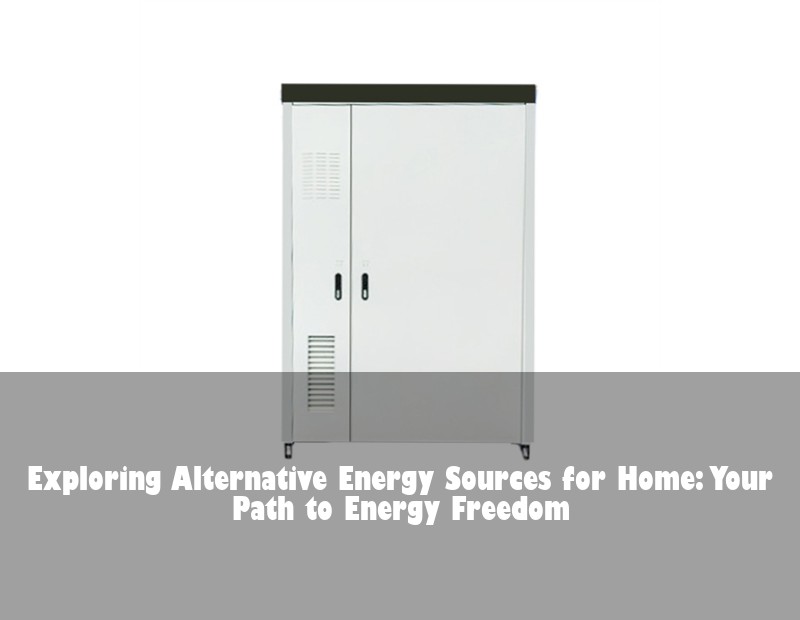
Table of Contents
- The Rising Demand for Home Energy Independence
- Data: The Renewable Energy Surge in European Homes
- Case Study: A Berlin Family's Energy Transformation
- Alternative Energy Solutions for Modern Homes
- Practical Considerations for Your Energy Transition
- What Will Your First Step Toward Energy Freedom Be?
The Rising Demand for Home Energy Independence
Ever opened your electricity bill and felt that familiar pang of frustration? You're not alone. Across Europe, homeowners are seeking alternative energy sources for home use, driven by volatile energy prices and growing environmental awareness. This isn't just a trend – it's an energy revolution. As traditional grids strain under demand and geopolitical uncertainties, households from Lisbon to Helsinki are taking control. Your roof not just sheltering your family, but actively powering your life while shrinking both your carbon footprint and utility bills. That's the new reality thousands are creating.
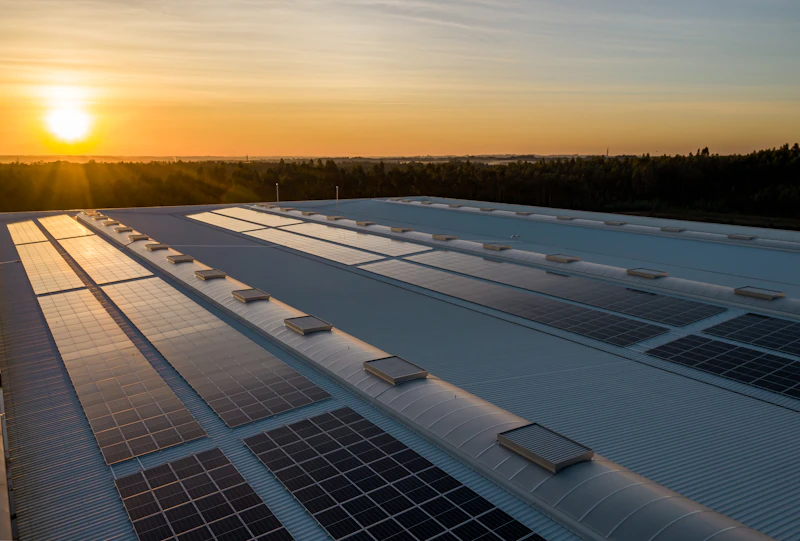
Image: Modern European home utilizing hybrid renewable energy system. Credit: Unsplash/Energy Solutions
Data: The Renewable Energy Surge in European Homes
Let's talk numbers – they reveal a seismic shift. Residential renewable installations grew by 34% year-over-year across the EU, with Germany and Spain leading the charge. Why this explosion? Three factors converge:
- Energy prices increased 55% on average since 2020 (Eurostat data)
- Solar panel efficiency jumped to 22-25% for premium modules
- Payback periods shortened to 6-8 years for solar+storage systems
| Country | Residential Solar Growth (2023) | Avg. System Size |
|---|---|---|
| Germany | 47% | 8.2 kW |
| Netherlands | 39% | 6.5 kW |
| Poland | 62% | 5.8 kW |
Source: IRENA 2023 Residential Report
Case Study: A Berlin Family's Energy Transformation
Meet the Hoffmanns – a family of four in Berlin-Tempelhof. Like many urban Europeans, they faced rising energy costs consuming 12% of their household budget. Their solution? A hybrid system installed in March 2022:
- 9.8 kW rooftop solar array
- 13.5 kWh lithium-ion storage
- Smart energy management system
The results? By December 2023, they achieved:
- 94% grid independence in summer months
- €1,820 annual energy savings
- 4.2-ton reduction in CO₂ emissions
"Our system paid for itself in 5 years," says Klaus Hoffmann. "But beyond savings, we've gained energy security during grid outages – priceless during last winter's storms."
Alternative Energy Solutions for Modern Homes
Solar Photovoltaic (PV) Systems
The cornerstone of home energy independence. Modern monocrystalline panels deliver 400W+ per unit, with integrated microinverters maximizing shade resilience. Ideal for rooftops or ground mounts.
Wind Turbines
Vertical-axis turbines (3-5 kW) now operate efficiently at lower wind speeds. Perfect for rural properties – a single unit can cover 30-50% of household needs when paired with storage.
Hybrid Solar+Wind Solutions
Combining technologies leverages complementary generation patterns. Solar peaks at midday, wind often strengthens at night – together they provide more consistent output than either system alone.

Image: Next-generation home battery storage system. Credit: Unsplash/Renewable Tech
Emerging Technologies
Keep an eye on these developments:
- Building-integrated photovoltaics (solar roof tiles)
- Green hydrogen storage pilots in Scandinavia
- AI-powered energy management systems
Practical Considerations for Your Energy Transition
Ready to explore alternatives? Avoid these common pitfalls:
- Mistake: Oversizing systems without usage analysis
- Solution: Conduct 12-month energy audits first
Key implementation steps:
- Evaluate your site's solar/wind potential using tools like EU's PVGIS
- Calculate optimal storage capacity (typically 1-2 days of usage)
- Explore feed-in tariffs and tax incentives in your region
Pro tip: Phase your implementation. Start with solar, add storage later, then integrate wind – this spreads costs while delivering immediate benefits.
What Will Your First Step Toward Energy Freedom Be?
The Hoffmanns proved it's achievable, and the data confirms it's economically smart. But here's what only you can answer: When will your home stop being an energy consumer and start becoming an energy producer? Will you explore solar potential assessments this month, or investigate local incentive programs next week? The technology is proven, the economics make sense – the only question left is your starting point. What energy-independent feature matters most to your household right now?
 Inquiry
 Online Chat