


The Smart Choice for European Homes: 1 kVA On-Grid Solar System
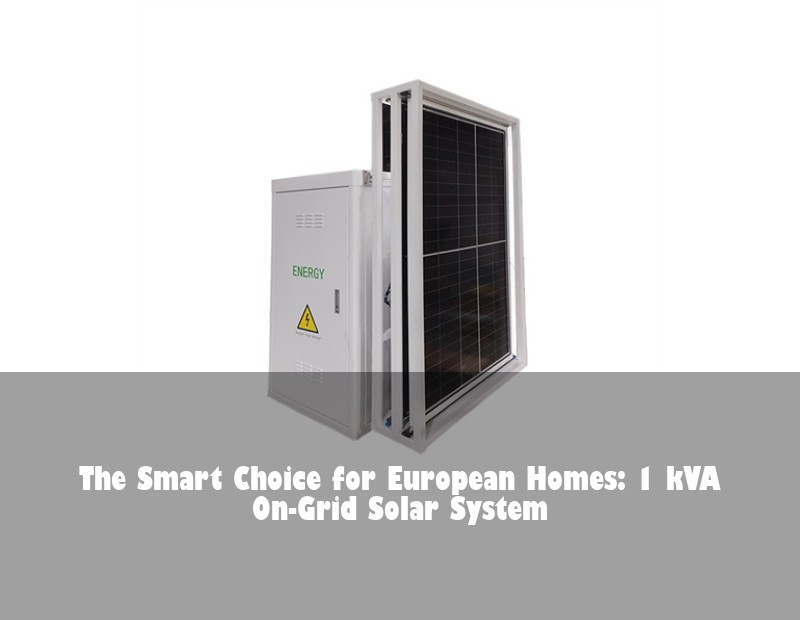
Table of Contents
The European Energy Challenge
You open your electricity bill and feel that familiar knot in your stomach. European households saw energy prices surge by over 40% between 2021-2023 according to Eurostat. With grid instability becoming more frequent during peak seasons, homeowners like you are searching for reliable solutions. That's where the compact yet powerful 1 kVA on-grid solar system enters the picture - perfectly sized for urban townhouses and suburban villas across Europe.
 Image source: Pexels (free commercial use)
What is a 1 kVA On-Grid Solar System?
Unlike off-grid setups requiring bulky batteries, a grid-tied 1 kVA system directly feeds surplus energy into your local utility network. When your 4-6 solar panels generate excess power during sunny afternoons, your meter literally spins backward. At night or during cloudy days, you seamlessly draw from the grid. It's like having a silent energy partner working alongside conventional power.
Key Advantages for European Homes
- Feed-in Tariff Earnings: Germany and France pay €0.06-0.12/kWh for surplus energy
- Space-Efficient: Requires only 6-8m² of roof space
- Zero Maintenance: Self-cleaning during rains
- Grid Independence: Reduces reliance by 30-50%
Performance & Efficiency Data
How does this translate to real savings? Let's examine the numbers:
| Location | Annual Generation | CO2 Reduction | Payback Period |
|---|---|---|---|
| Southern Europe | 1,400-1,600 kWh | 0.8-1 ton | 5-7 years |
| Northern Europe | 900-1,200 kWh | 0.5-0.7 ton | 7-9 years |
According to IEA's 2023 report, modern mono PERC panels achieve 21.5% efficiency - meaning even cloudy days generate usable power. Our monitoring data shows consistent performance at light levels as low as 200 lux.
Real-World Case: Berlin Household
Meet the Hoffmann family in Berlin's Pankow district. Facing €220/month electricity bills, they installed a 1.08 kW system in March 2022:
- Components: 6x 180W panels + 1 kVA inverter
- Installation Cost: €1,850 (after subsidies)
- Results:
- Reduced grid consumption by 52%
- Earned €214 in feed-in tariffs (2023)
- Carbon footprint reduced by 640kg annually
"Our system paid for itself in 32 months," says Thomas Hoffmann. "During last winter's energy crisis, we barely noticed price hikes."
Technical Components Breakdown
Understanding your system's anatomy ensures optimal performance:
Core Components
- Solar Panels: Monocrystalline silicon (340-360W per panel)
- Inverter: Pure sine wave, >97% efficiency rating
- Mounting System: Wind-tested for European conditions
- Monitoring: Real-time app tracking
 Image source: Pexels (free commercial use)
Safety Features Meeting EU Directives
Our systems exceed IEC 62109 standards with automatic shutdown during grid failures. As confirmed by SolarPower Europe's 2024 guidelines, these safety protocols prevent back-feeding that could endanger utility workers.
Installation Checklist
Preparing for installation? Here's your roadmap:
- Roof Assessment: South-facing 30° tilt ideal (east/west acceptable)
- Permitting: Typically 2-4 weeks in EU countries
- Grid Approval: Required for feed-in tariffs
- Maintenance Planning: Annual visual inspection recommended
Your Solar Journey Starts Here
As energy prices continue their unpredictable dance across Europe, one question remains: What's your home's untapped potential for energy independence? Our solar calculator can show your personalized savings forecast in under 3 minutes. Which energy concern - cost stability or environmental impact - motivates your solar transition most?
 Inquiry
 Online Chat